When is the best time to surf Punta Brava?
Peak May–Oct · often good Nov–Apr.
Punta Brava's biggest surf comes in the green/rainy season (May–November), when south-southwest groundswells from the Southern Hemisphere are most frequent and powerful — the peak window for swell. The December–April dry season is cleaner and more consistent in conditions, with offshore northerlies grooming the lineup (January is the classic month), though the swell runs smaller and road access is easier. Water is warm and boardshorts-only year-round; surf the hour either side of low tide whenever you go.
What does a surf trip to Punta Brava look like?
A typical trip from our guide. A real alert comes with the forecast for each day and a fare from your airport.
How much does a surf trip to Punta Brava cost?
A five-night trip, per person, before food and rentals.
Rows marked "based on … alerts" are the middle half of the real round-trip fares we quoted in alerts on that route, priced 3 to 10 days before departure, since June 2026. Rows marked "Google typical" are Google Flights' usual range for October, across all booking lead times, so a last-minute fare often lands above it. Checked Oct 17. Stays use our guide's nightly bands; transfers use the guide's quoted rates. Real alerts price the exact dates.
Where should you stay at Punta Brava?
Closest to the wave
Oasis Surf Camp $
surf camp · budget · On Playa Estero — walk to Estero/La Punta; ~25–35 min walk or short boat to Punta Brava
The only accommodation right on the beach at Estero, run by surfers who rent boards and will talk you through tides and which break suits the day's swell. The practical, surf-first base for a Brava mission — paddle out front or walk down the coast at low tide.
Check ratesNicer
Rancho Estero $
guesthouse · mid-range · Hillside above Playa Estero — short walk to the water, paddle out to La Punta
Tiki-style cabanas with ocean views and a well-stocked rental quiver (softtops to shortboards, longboards, SUP). Sits in sight of the waves with a straight paddle to La Punta; a solid mid-range surf base and a good place to get local intel on Brava.
Check ratesEvery place we researched, with its booking link, is under where to stay below.
What is the wave like at Punta Brava?
Break type
Reef
Wave direction
Left
Best swell
SW (S–W window)
Ideal size
3–8 ft
Best tide
Low
High: doesn't break — works ~1h either side of low
Consistency
Very Consistent
Peak season
Jun–Sep
Nearest airport
PTY · ~239 mi
Drive from airport
6–7 hours
The catch with Punta Brava is that it barely exists as a destination of its own. There's no village, no lodging, no food, no parking lot — you base yourself in Santa Catalina and get to Brava either on foot (a 25–35 minute scramble southeast along the rocky shoreline, only really passable around low tide) or by a short panga hop arranged with a local. That same low tide that opens the walk is also when the reef is at its shallowest, so timing is everything. Most travelers surf La Punta, Punta Roca and Estero in town and treat Brava as the step-up session for the right swell and the right tide.
Come self-sufficient. Santa Catalina is six-plus hours by road from Panama City, cash-driven, with one flaky ATM, no real surf shop beyond board rental at the camps, and a pharmacy but no doctor. What you get in return is warm water, world-class Coiba diving on flat days, cheap fresh seafood, and one of the most consistent stretches of Pacific surf in Central America — with a genuinely committing reef wave a low-tide walk from your bed.
Who it suits
Advanced surfers who are comfortable on shallow, rocky reef and can read tides — Punta Brava is an experts-and-confident-intermediates-plus wave, surfed off a Santa Catalina base where mellower options (La Punta, Estero) cover everyone else.
Where exactly is Punta Brava?
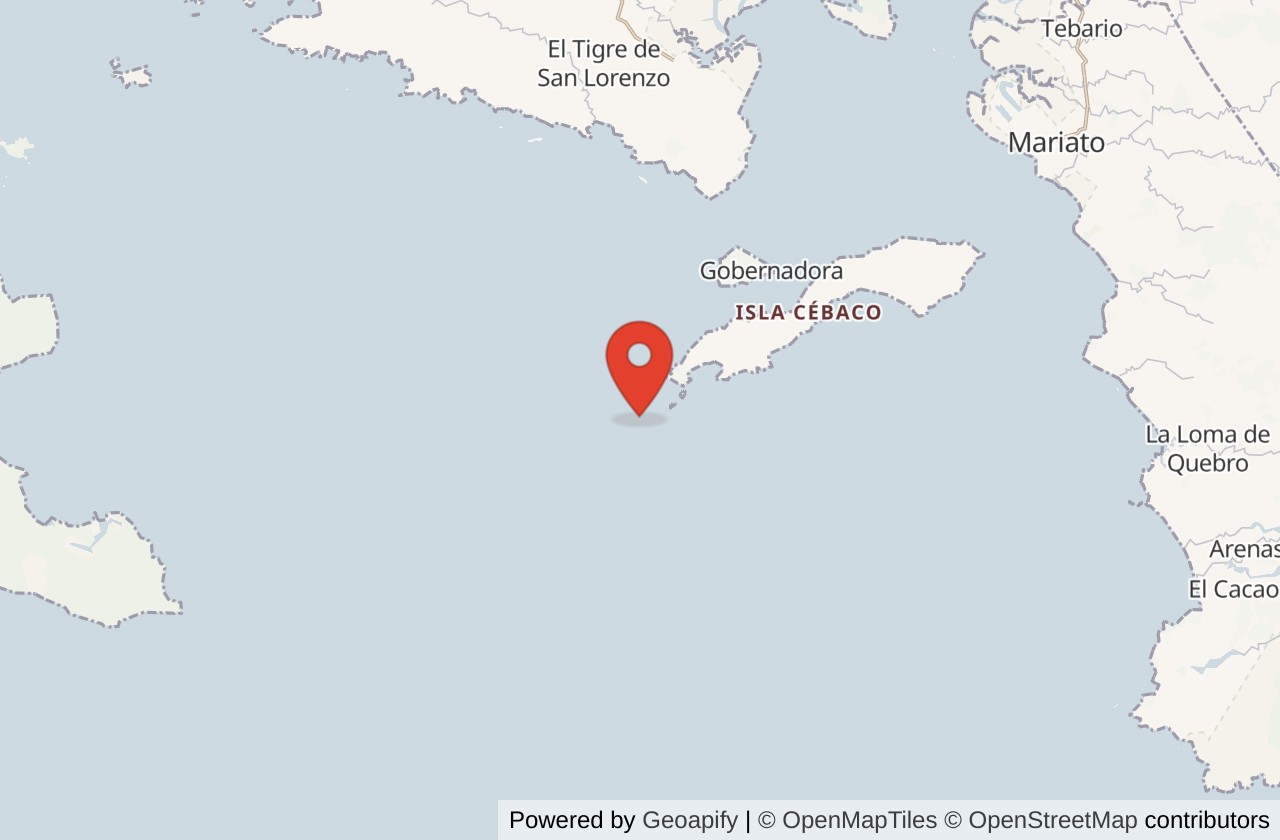

7.6063, -81.2318
What are the lineup and the town like at Punta Brava?
Localism
moderate
Crowd
A mix of Panamanian, North American and European surfers plus a steady backpacker flow, heaviest in the December–April dry season and around holidays. La Punta gets genuinely crowded on good days; Brava stays thinner because the tide window, the walk/boat access and the shallow reef filter out all but committed surfers. Dawn sessions on the right tide are the quiet, clean window everywhere.
Santa Catalina's lineups are known for being friendly but increasingly busy, and the better waves (La Punta especially) draw a competent, regular crew who expect newcomers to know the pecking order. At Punta Brava the etiquette is mostly self-selecting — it's a heavy enough wave that the lineup is small and capable, and the move is to watch a few sets, learn the takeoff zone and not drop in. Wait your turn, respect the locals and travelers who've put in the time, and don't paddle straight to the peak.
In the lineup: Surf Punta Brava only in the hour either side of low tide — outside that it's either unrideable or breaking on dry reef. Sit on the right side of the takeoff zone and resist drifting inside; too far in and the wave will pull you onto the rock. Wear booties, know your exit before you paddle out, and don't surf it alone given the rocky, shallow bottom and remote access.
Santa Catalina is a dusty, end-of-the-road fishing village that turned into a low-key surf-and-dive hub without ever getting paved into a resort. One main street of hostels, sodas, dive shops and a minimarket peters out into dirt tracks and beach; there's spotty wifi, one flaky ATM, and a pace set by tides and boat departures. It feels remote and a little rough around the edges — and that's exactly the appeal. Come for the surf and the Coiba diving, settle into cash-only island time, and don't expect nightlife beyond a pizzeria, a few bars and the stars.
How do you get to Punta Brava?
Fly into Tocumen International Airport, Panama City (PTY) — about 239 miles from the break, 6–7 hours. Scarlett Martínez (RIH) in Río Hato is closer (~3.5–4 hours) but takes only limited regional/charter traffic. There's a small airstrip near Santiago and charter Cessnas can fly Albrook (PAC) to a Veraguas strip in ~45 min for a premium (hundreds of dollars), but almost everyone lands at PTY and drives or shuttles the rest.
- shuttle$45–70 per person · 6–8 hours door to door
Shared tourist shuttles (e.g. Shuttle In Panama and operators booked through Santa Catalina hostels) run Panama City to Santa Catalina with a snack/restroom stop. Easiest option with a board bag — confirm board space when you book, as vans fill up.
- bus$15–25 per person total · 8–10 hours with transfers
The budget all-dayer: Albrook Terminal to Soná (6–7h), then a local bus or pickup Soná to Santa Catalina (~1.5–2h, a handful of departures daily). Board bags are tolerated but tight on the small Soná connector — go early and travel light. Not realistic if you arrive at PTY late.
- rental car$50–100/day plus fuel · 6–7 hours self-drive
Pan-American Highway west to Santiago (~4h), then south through Soná to Santa Catalina on a paved but winding final stretch. Fill up in Santiago — fuel gets scarce near the coast. A car is genuinely useful here for chasing tide windows and reaching trailheads; request a roof rack or bring soft racks for boards.
- private transfer$180–280 per vehicle · 6–7 hours
Door-to-door private driver, the comfortable choice with a quiver or a group splitting cost. Most Santa Catalina hostels and dive shops will arrange one — agree the price and confirm it fits board bags before you commit.
Do you need a car at Punta Brava?
Do you need a car?
optional
Walkability
Santa Catalina is tiny — you can walk the whole town and both beaches (Playa Santa Catalina and Playa Estero) in under two hours. La Punta and Estero are an easy walk from most lodging. Punta Brava itself is the exception: a 25–35 minute scramble southeast along the rocky shore, passable mainly around low tide, or a short boat ride.
You don't strictly need a car in town — most travelers walk or use a hostel-arranged ride. There are no taxis or Uber in Santa Catalina; local pickups do informal runs for a few dollars and your accommodation has the numbers. A rental car (from $50/day, picked up in Panama City or Santiago) earns its keep if you want to chase tides at Brava and Punta Roca or day-trip to other Veraguas breaks, but it sits parked a lot otherwise.
Boards: Getting boards to Brava is the real logistics question: it's a walk over rock at low tide (carry your board, wear booties, watch your footing) or a panga hop you arrange with a local boatman for a few dollars each way. Around town, boards travel on foot. Rental cars are mostly sedans and small SUVs — bring soft racks if you plan to drive boards to trailheads.
Where can you stay near Punta Brava?
Surf camps and guided packages
On Playa Estero — walk to Estero/La Punta; ~25–35 min walk or short boat to Punta Brava · The only accommodation right on the beach at Estero, run by surfers who rent boards and will talk you through tides and which break suits the day's swell. The practical, surf-first base for a Brava mission — paddle out front or walk down the coast at low tide. (Direct / Booking.com)
Hotels and other places to stay
Hillside above Playa Estero — short walk to the water, paddle out to La Punta · Tiki-style cabanas with ocean views and a well-stocked rental quiver (softtops to shortboards, longboards, SUP). Sits in sight of the waves with a straight paddle to La Punta; a solid mid-range surf base and a good place to get local intel on Brava. (Direct / Booking.com)
Main street in town — ~10 min walk to the beach · Reliable Panama hostel chain known less for its dorms than its palm-thatched private huts in a garden, with a pool and free breakfast. Social, central and walkable to the surf — the easy backpacker pick. (Hostelworld, Booking.com)
Oceanfront — directly in front of La Punta; short walk to town · The newest outpost (opened 2024) of the well-run Bambuda group (Bocas, Boquete), oceanfront in front of La Punta with the same polished hostel-plus-social vibe. Dorms and privates, good for solo travelers who want company between sessions. (Hostelworld, Booking.com)
Directly in front of the main Santa Catalina break (La Punta) · Simple ocean-view rooms positioned right above town's marquee right-hander — roll out of bed and check the wave. Convenient hotel comfort by Santa Catalina's rustic standards; you still walk or boat to Brava. (Direct / Booking.com)
Above the point — short walk to La Punta · Recently renovated, slightly more comfortable rooms near the point, with a pool and easy access to town. A good non-hostel option for couples or anyone wanting A/C and a bit of polish. (Direct / Booking.com)
Lagartero beach (Bliss Beach), ~6 mi / 15–20 min drive from Santa Catalina · Quieter, prettier rooms on a beach just outside town with a restaurant on site — the call if you want calm over surf-town buzz and don't mind a short ride to the breaks. Owners arrange transport and tours. (Direct / Booking.com)
Where do you eat at Punta Brava?
- Donde Vianckasoda · $ budget
Fresh local seafood and Panamanian plates — fish, rice, patacones — The go-to locally owned kitchen for honest Panamanian food at honest prices, with seafood bought fresh daily. The cheap, reliable post-surf refuel; cash, casual, and a town favorite.
- Pizzeria Jammingrestaurant · $ mid-range
Wood-fired pizza — A long-running social hub of the town — fire-baked pizzas, cold beers and a steady crowd of surfers and divers. The default group dinner.
- Sasyrestaurant · $ mid-range
Veggie-forward plates plus Panamanian and international dishes — Friendly local-run spot with a strong vegetarian focus alongside the usual seafood — a useful change of pace if you're rice-and-fished out.
- Restaurante El Encuentrorestaurant · $ mid-range
Ceviche — Main-street place known for creative ceviche and a relaxed setting. Good light meal between sessions; check current hours as openings shift with the season.
- Panawokrestaurant · $ mid-range
Asian-style wok dishes and noodles — Wok and Asian-leaning plates that several travelers rate as their best meal in town — a welcome variety from seafood and pizza.
- Town sodas & beach BBQ standsstreet food · $ budget
Whole grilled fish, empanadas, hojaldras — Small family-run sodas and roadside stands around town do cheap fried fish, empanadas and breakfast hojaldras. The budget backbone of eating here — bring small bills, most are cash only.
Cooking for yourself
- Santa Catalina minimarket (mini super in town)minimart
The small store in the middle of town stocks canned goods, water, snacks, beer, toiletries and some random produce, and now takes cards. Fine for topping up and self-catering basics, but the selection is thin — don't count on fresh produce or specialty items.
- Supermarkets in Sonásupermarket
For a proper shop you go to Soná, the nearest real town about 1.5–2 hours away, where there are larger supermarkets, a bank and a pharmacy. Most travelers stock up here (or in Santiago) on the drive in rather than relying on the town minimart.
Where do you rent or fix a board?
- Rancho Estero board rentalboard rental · lessons · wax · ~$15–25/day
There is no dedicated retail surf shop in Santa Catalina. Rancho Estero rents the widest range — softtops, shortboards, longboards, funboards and a SUP — and gives tide/break advice. Bring your own ding kit, spare fins, leash and especially wax, which is hard to buy locally. For a shallow rock wave like Punta Brava you want your own trusted board, not a rental.
- Oasis Surf Campboard rental · lessons · ~$15–25/day
On the beach at Estero — rents boards and runs lessons, and the staff will tell you honestly whether Brava is on or whether you should stick to La Punta/Estero that day. The best on-the-ground source for tide timing toward Punta Brava.
What do you do when it's flat?
- Coiba National Park diving & snorkelingwater · $90–160 per person (dive day); snorkel tours less
The region's headline non-surf day: a UNESCO marine park ~1h15 by boat, with sharks, rays, turtles and huge fish life. Panama Dive Center (5-star PADI) and Scuba Coiba run daily trips; Expedición Coiba and Premier Coiba do snorkel/tour days. The perfect flat-spell mission.
- Coiba day trip — snorkel & island timeday trip · $40–80 per person
Non-divers can join boat day trips to Coiba and surrounding islands for snorkeling, beach time and wildlife. Park entry fees apply on top of the boat fare — confirm what's included when you book.
- Sportfishing charterswater · $$ (full-day charter)
The waters off Coiba are world-class for tuna, roosterfish and marlin. Charters run out of Santa Catalina for half- and full-days; split a boat with others to bring the per-person cost down.
- Playa Estero & beachcombingnature · free
The long beige beach beside the surf is good for swimming on calmer days, sunset and shell-hunting. The easy flat-day default a short walk from town.
- Whale watching (in season)nature · $30–60 per person
Humpbacks pass through roughly July–October; boat operators run whale-watching trips that can pair with a Coiba day. Seasonal — ask in town when you arrive.
- Yoga in townwellness · $10–15 drop-in
A couple of hostels and studios run drop-in yoga classes — useful recovery for shoulders worked over by reef waves. Schedules are informal; check the boards around town.
What should you know before you go?
Cash & ATMs
There is one ATM in Santa Catalina, next to the pharmacy in the town center — and it regularly runs out of cash or loses connectivity. Treat it as a backup only: bring enough US dollars (Panama's currency) from Panama City or Santiago to cover your stay. Most sodas, stands and the boat guys are cash only; some hotels and dive shops take cards. The nearest reliable bank is in Soná, 1.5–2 hours away.
Medical
Santa Catalina has a small pharmacy but no working doctor or staffed clinic. Minor issues are handled at the pharmacy; anything real means a drive to Soná or, for proper care, Santiago (Veraguas) hospital, roughly 2–2.5 hours away. Carry a serious first-aid and reef-cut kit — Punta Brava's shallow rock bottom means lacerations and urchin spines are the most likely injuries, and help is far.
Water safety
Punta Brava is a shallow, rocky reef break — the main hazards are the reef itself, sea urchins and rocks, and the strong shore/rip current that runs when the swell pulses. There are no lifeguards anywhere in Santa Catalina. Surf Brava only around low tide with enough water over the reef, wear booties, never surf it alone, and have your entry and exit dialed before you go. Water is warm year-round; after heavy rainy-season downpours, runoff can cloud the water and stir up debris for a day.
Panama basics: money, entry, phones, water
Currency
US dollar (locally the 'balboa', pegged 1:1 — balboa exists only as coins) (USD) — 1 PAB = 1 USD by law (fixed peg since 1904) — prices are simply in dollars
Entry (US passport)
Up to 180 days — Visa-free for 180 days since 2021 (Resolution 22706, on reciprocity) — double what most passports get. Strictly enforced; make sure you get an entry stamp. Proof of US$500 (cash, card, or bank statement) and a return/onward ticket can be requested.
Language
Spanish, English (common in Panama City business/tourism and in Bocas del Toro; patchier on the Azuero peninsula). Decent in Panama City, Bocas del Toro, and at surf camps/hostels in Playa Venao itself. In between — Pedasí, rural Azuero towns, fondas, bus stops — basic Spanish goes a long way.
Plugs
A, B · 110–120V / 60Hz (same as US/Canada — no adapter needed for North American gear)
Tipping
10% is the norm at sit-down restaurants — check the bill, as some places add it automatically ('servicio'). Nothing expected at fondas or for taxis (round up). Tip surf guides/instructors ~$5–10 a session and boat captains in cash.
Phone / data
+Móvil (Cable & Wireless / Liberty; absorbed Claro in 2022), Tigo, eSIM (Airalo, Holafly, Nomad, etc.). Panama is down to two networks — +Móvil and Tigo — after Claro merged into +Móvil and Digicel pulled out. Both cover Panama City, the Pan-American Highway, and Azuero towns well; Playa Venao itself has usable 4G near the beach/camps but signal thins out fast on dirt roads to outlying breaks (Cambutal side especially). Most Venao accommodations have decent Wi-Fi (some now Starlink). Download offline maps before the Pedasí–Venao drive.
Tap water
Safe to drink in Panama City and most of the country — a genuine rarity in Central America. On the Azuero (Pedasí, Venao) locals drink it, though sensitive stomachs may prefer filtered after heavy rains. The big exception is Bocas del Toro, where you should stick to bottled/filtered water.
Emergency
911 for ambulance, 104 for police, 103 for fire (Bomberos) — 911 also works as a general emergency line. Tourist police in Panama City: +507 511-9260. English-speaking operators are hit-or-miss outside the capital.
Other passports: entry rules differ — check the official source before booking.
Alert me when Punta Brava is on
Drop your email and you'll get one message when our forecast shows a trip-worthy window here: the dates, the size, and a place to stay. Free.
Frequently asked questions about Punta Brava
Is Punta Brava a good wave for beginners?
No. Punta Brava is a shallow, rocky reef break near Santa Catalina that can break twice the size of town, with hollow sections and a tight low-tide window — it's an advanced wave best left to experienced surfers comfortable on rock reef. Beginners and intermediates should stick to Estero or La Punta in Santa Catalina.
How do you get to Punta Brava from Santa Catalina?
Punta Brava is roughly a 25–35 minute scramble southeast along the rocky shoreline from Santa Catalina, passable mainly around low tide, or a short panga (boat) ride arranged with a local boatman for a few dollars. There's no road, parking or facilities at the break itself, so you base in Santa Catalina town.
When does Punta Brava work?
It needs a south-southwest swell and works best on offshore northerly winds, with the Pacific dry season (December–April, classically January) the most consistent window. Crucially, it only surfs about an hour either side of low tide — outside that the reef is either dry or unrideable.
Is Punta Brava a left or a right?
Sources differ — surf-forecast describes it as a left-hand reef break that can form an A-frame, while most surfers ride the lefts; there are also a right and additional peaks on the reef. Either way it breaks fast and shallow over rock, so it's the takeoff zone and tide that matter more than the direction.
How do you get to Santa Catalina from Panama City?
From Tocumen Airport (PTY) it's about 6–7 hours by road via Santiago and Soná. A shared shuttle ($45–70 per person) is the easiest with boards, the public bus via Soná is the cheapest ($15–25), and renting a car ($50–100/day) gives you the freedom to chase tides once you're there.
Is there a surf shop in Santa Catalina?
There's no dedicated retail surf shop — board rental and lessons come through the surf camps like Rancho Estero and Oasis Surf Camp. Bring your own board, leash, fins, ding kit and especially wax, which is hard to buy locally, and definitely ride your own board on a shallow reef like Punta Brava.
Is there an ATM in Santa Catalina?
There's one ATM by the pharmacy in town, but it frequently runs out of cash or loses its connection. Bring enough US dollars (Panama uses the US dollar) from Panama City or Santiago, as most local spots and the boat guys are cash only; the nearest reliable bank is in Soná, 1.5–2 hours away.
What else is there to do in Santa Catalina besides surf?
Santa Catalina is the gateway to Coiba National Park, a UNESCO marine reserve about 75 minutes away by boat with world-class diving, snorkeling and sportfishing. On flat days you can dive or snorkel Coiba, fish for tuna and roosterfish, watch humpbacks (July–October) or just walk Playa Estero.
Sources for this guide
- surf-forecast.comsecondary source · Punta Brava wave direction (left reef/A-frame), reef bottom, SSW swell, offshore N wind, best season (Jan), crowd, urchin/rock hazards, skil
- thesurfatlas.comsecondary source · Punta Brava tide window (hour either side of low), shallow reef, 'sucked into the reef' positioning warning; other Santa Catalina breaks and
- earprousa.comeditorial · Punta Brava ~30-min walk southeast of Santa Catalina, can break twice the size of town, multiple peaks (lefts + right), rock bottom
- waluaa.comeditorial · PTY-to-Santa Catalina transfer options and costs: shuttle (~$60), bus via Soná ($15-25), rental car, private transfer, charter flight; drive
- santacatalinabeach.comsecondary source · Lodging inventory and character (Oasis Surf Camp on beach, Surfside Inn in front of break, Rancho Estero, Hibiscus Garden, etc.)
- en.wikivoyage.orgsecondary source · ATM next to pharmacy (unreliable), cash-only norm, town minimarket, walkability/no taxis, no doctor/clinic only pharmacy, Coiba/Scuba Coiba
- liveandinvestoverseas.comeditorial · Coiba boat time (~1h15), Panama Dive Center as top 5-star PADI operator, ATM/minimarket in town center, nearest bank/supermarket in Soná, me
- alongdustyroads.comeditorial · Restaurant names and character (Donde Viancka, Pizzeria Jamming, Sasy, El Encuentro, Panawok), board rental at Rancho Estero/Oasis, town vib
- coiba-island.comsecondary source · Santa Catalina surf context (La Punta as marquee right, expert wave framing), regional surf overview
- panamadivecenter.comofficial · Coiba National Park diving operator verification (Panama Dive Center, daily Coiba trips)
Guide researched and verified 2026-06-12. Details change; confirm bookings and entry requirements before travel.