When is the best time to surf Playa Venao?
Peak Apr–Oct · often good Nov–Mar.
Venao picks up south and southwest Pacific swell most of the year, so it's rarely flat, but the energy and timing shift with the seasons. The April–October southern-hemisphere swell window brings the most size and the biggest days; the December–April dry season delivers cleaner, more groomed conditions with lighter, more reliable offshore-leaning mornings. Across the green season (May–November), surf early — afternoon onshore winds and frequent rain tend to mush it up by midday. Water is warm year-round; boardshorts or a rash vest are all you need, with maybe a 1–2 mm top for dawn sessions.
What does a surf trip to Playa Venao look like?
A typical trip from our guide. A real alert comes with the forecast for each day and a fare from your airport.
A real alert we sent · Aug 31
We matched a surfer flying from Miami (MIA) to this window: Sep 4–6, 3 good days with faces up to 6 ft, peaking 9/10. 4 nights, flights from $464 round trip.
This is a prior real trip from our match log, not a forecast. Windows and fares change; your alert carries the current ones.
How much does a surf trip to Playa Venao cost?
A five-night trip, per person, before food and rentals.
Rows marked "based on … alerts" are the middle half of the real round-trip fares we quoted in alerts on that route, priced 3 to 10 days before departure, since June 2026. Rows marked "Google typical" are Google Flights' usual range for October, across all booking lead times, so a last-minute fare often lands above it. Checked Oct 17. Stays use our guide's nightly bands; transfers use the guide's quoted rates. Real alerts price the exact dates.
Where should you stay at Playa Venao?
Closest to the wave
Eco Venao Lodge $
boutique · mid-range · Hillside above the beach — 5–10 min walk down to the sand
A reforestation project and eco-lodge spread across jungle hillside above the bay, with everything from budget dorms and cabins to private houses, plus a pool, restaurant, surf school and trails. Howler monkeys and fireflies included. The most characterful base in Venao and works across budgets.
Stays nearbySurf camp or guided package
8-Day Surf Camp in Guanico (near Playa Venao)
El Ranchito Surfcamp · for intermediate+ · from $580 · 8 days · rated 4.6
All-inclusive surf camp — stay, boards & coaching bundled.
View packageCheaper
Selina Playa Venao $
hostel · budget · Beachfront — steps to the wave
The social-backpacker hub: dorms through private rooms, pool, bar, on-site surf shop, coworking space and a packed daily activity calendar (yoga, surf lessons, parties). Great for solo travelers who want a built-in scene; quieter sleepers should ask for a room away from the bar. (The Selina chain restructured in 2024 — confirm it's still operating under that name when you book.)
Stays nearbyEvery place we researched, with its booking link and the surf packages, is under where to stay below.
What is the wave like at Playa Venao?
Break type
Sandbar/Beach
Wave direction
Both
Best swell
SSW (S–WSW window)
Ideal size
2–6 ft
Best tide
All tides
Low: barreling, stronger rips · High: softer
Consistency
Very Consistent
Peak season
Jun–Sep
Nearest airport
PTY · ~229 mi
Drive from airport
5–6 hours
What makes Venao unusual is how complete the little strip has become without losing the end-of-the-road feeling. A single dirt-and-pavement lane behind the beach is now lined with surf camps, hostels, beachfront bars, sushi joints, Argentine bakeries, a brewery and yoga studios — a genuinely cosmopolitan, traveler-heavy scene that empties out to near-silence on weekdays in the off months and packs out with Panama City crowds on holiday weekends. It is not Pedasí, the sleepy fishing town 20-some kilometers back up the road; Venao is its own self-contained surf village built around the bay.
Know the trade-off before you commit: this is a long way from anywhere. You're looking at a five-to-six-hour drive from Panama City (or a short flight to the Pedasí airstrip plus a transfer), there is essentially no ATM in Venao itself, and the bay faces enough open ocean that it can go small and gutless or jump well overhead with little in between. Come for warm boardshort water, a soft sand-bottom wave that rewards experimentation, and a surf town that's social without being a circus — and bring cash.
Who it suits
Beginners through intermediates who want a soft, sand-bottom beach break with surf schools on tap, plus advanced surfers chasing the punchier center peaks on a solid swell. Ideal for a learn-to-surf trip, a yoga-and-surf reset, or a social surf-camp stay rather than a hunt for heavy waves.
Where exactly is Playa Venao?
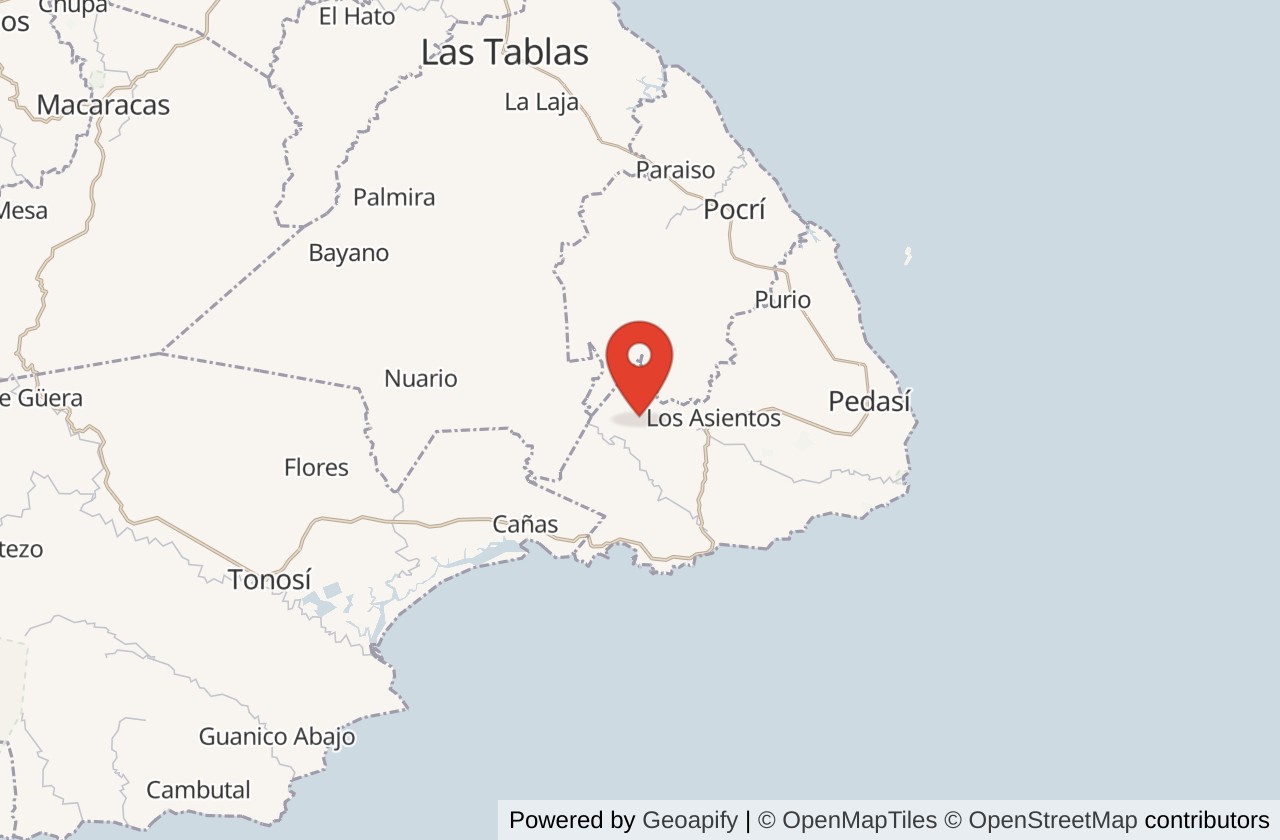
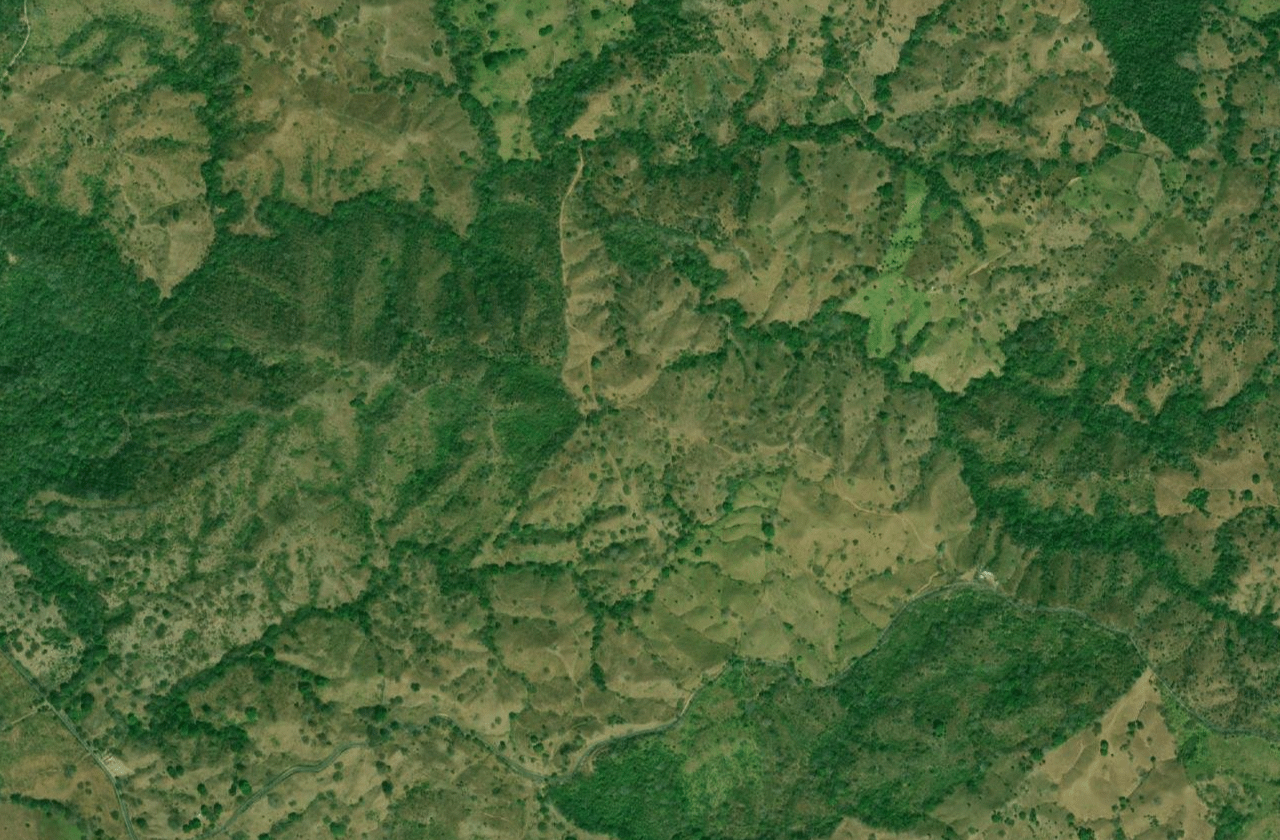
7.4290, -80.1969
What are the lineup and the town like at Playa Venao?
Localism
mellow
Crowd
A rotating international mix of surf-camp guests, learners, digital nomads and Panamanian surfers. Weekdays in the shoulder and off months can be genuinely quiet; holiday weekends and Panama City long weekends pack the bay and the bars. Early mornings are the least crowded and usually the cleanest — beat the lessons and the wind.
Venao is known as one of the friendlier, more welcoming lineups in Central America — a beach-break bay with peaks spread along a kilometer of sand, so there's room for everyone and little of the territorial pressure you'd feel at a tight reef. Standard etiquette applies: don't drop in, wait your turn, and don't paddle straight to the busiest center peak and start snaking on a crowded weekend. Respect the surf-school zones in the corners where beginners are learning, and the vibe stays as easygoing as the wave.
In the lineup: Peaks form all along the bay: the corners on each side are the mellowest and where the schools run, while the center of the bay catches the most swell and throws the punchiest, occasionally hollow peaks. Pure sand bottom — no rocks or reef — so it's forgiving to fall on, but watch for rip currents that pull out through the channels, especially on bigger swells and lower tides (look for the darker, calmer, less-breaking water and don't fight a rip — paddle parallel to escape). Surf early before the onshore fills in.
Venao is a purpose-built surf village strung along one beachfront lane: surf camps, hostels, beach bars, sushi spots, bakeries, a brewery, yoga studios and coworking, all backed by green hills and fronted by the bay. It's cosmopolitan and social — a lot of long-stay travelers and nomads — yet still end-of-the-road remote, going sleepy midweek in the quiet season and buzzing on weekends. Cash-based and laid-back; Pedasí 20-some kilometers away is the traditional Panama counterpoint.
How do you get to Playa Venao?
Fly into Tocumen International Airport, Panama City (PTY) — about 229 miles from the break, 5–6 hours. Captain J. Montenegro airstrip (PDM) at Pedasí is the closest airport — roughly 20–25 mi / 30–40 min from Venao. Air Panama flies there from Panama City's downtown Albrook / Marcos A. Gelabert airport (PAC), not Tocumen, on a limited schedule (typically a few days a week, ~35–45 min); fares run ~$130–150 one way and board bags depend on the small aircraft's capacity, so confirm with the airline. Most travelers still drive or take a door-to-door shuttle from Panama City instead.
- rental car$35–70/day plus fuel and tolls · 5–6 hours self-drive
Pick up at Tocumen (PTY) or in Panama City. The route runs the Pan-American Highway west to Divisa, then south through Chitré and Las Tablas onto the Azuero, with the final stretch to Venao a decent paved road. Roads are good and low-traffic by regional standards; drive on the right. A car is the most flexible option for board logistics and side trips — request roof rails or bring soft racks.
- shuttle$55–75 per person one way · ~6 hours door to door
Door-to-door tourist shuttles (My Pink Bus and similar operators) run most mornings from Panama City hotels/hostels direct to Venao surf camps. The board-friendly, hassle-free pick — book a day or two ahead online and confirm board-bag space and any surcharge when reserving.
- bus$12–18 per person plus a final taxi · 7–9 hours total with transfers
The cheapest route: an inter-city coach from Panama City's Albrook bus terminal to Las Tablas (or Pedasí), then a local bus or taxi the rest of the way to Venao. Slow, multiple changes, and not boardbag-friendly — fine for light travelers, painful with a big quiver.
- private transfer$200–300 per vehicle · 5–6 hours
A private car/van arranged through your surf camp or a transfer company — the easiest option with a group and boards. Agree the price and confirm roof racks before booking.
Do you need a car at Playa Venao?
Do you need a car?
optional
Walkability
Venao is a single beachfront strip — if you stay anywhere along the bay you can walk to the break, the surf schools and most of the bars and restaurants in 5–15 minutes. You only need wheels for trips back to Pedasí, Chitré, the ATM, or other Azuero beaches.
Once you're in Venao you don't really need a car — the whole village is walkable along the beach road. For getting in, a rental (roughly $35–70/day from Panama City) makes the most sense if you want to explore the Azuero or chase other peaks; otherwise a door-to-door shuttle drops you in and you stay put. There's no Uber out here; local taxis run between Venao, Pedasí and Las Tablas (a Pedasí–Venao run is a negotiated flat fare, roughly $15–25). Scooter and quad rentals pop up seasonally through camps and shops.
Boards: Shuttles and private transfers are used to boards but confirm space when you book. Rental cars are mostly sedans and small SUVs — request roof rails ahead or bring soft racks and tie-downs. Within Venao you rarely need to move boards by vehicle; almost everything is a walk down the sand or the strip. Most surf camps and schools store and rent boards on-site, so flying light and renting locally is genuinely viable here.
Where can you stay near Playa Venao?
Surf camps and guided packages
- 8-Day Surf Camp in Guanico (near Playa Venao)for intermediate+ · from $580 · 8 days · rated 4.6 by 10View package
El Ranchito Surfcamp — All-inclusive surf camp — stay, boards & coaching bundled
Beachfront — direct access to the sand · The classic full-service surf camp right on the beach: rooms and packages bundling lodging, board rental and daily lessons with established instructors, plus pools, a beach bar-restaurant, yoga and gym. The obvious pick if you want a turnkey learn-to-surf week. (Direct (beachbreaksurfcamp.com), Booking.com, Tripadvisor)
Packages bundle the stay and the surfing; check each listing for what its transfers include.
Hotels and other places to stay
Hillside above the beach — 5–10 min walk down to the sand · A reforestation project and eco-lodge spread across jungle hillside above the bay, with everything from budget dorms and cabins to private houses, plus a pool, restaurant, surf school and trails. Howler monkeys and fireflies included. The most characterful base in Venao and works across budgets. (Direct (ecovenao.com), Booking.com, Tripadvisor)
Beachfront — steps to the wave · The social-backpacker hub: dorms through private rooms, pool, bar, on-site surf shop, coworking space and a packed daily activity calendar (yoga, surf lessons, parties). Great for solo travelers who want a built-in scene; quieter sleepers should ask for a room away from the bar. (The Selina chain restructured in 2024 — confirm it's still operating under that name when you book.) (Booking.com, Hostelworld, direct)
Beachfront — direct beach access · A polished beachfront hotel a short walk from Selina, with a well-regarded restaurant, pool, lighthouse landmark, a surf shop and a big kids' area — the most family-friendly mid-range option on the bay. (Direct (elsitiohotel.com), Booking.com)
West end of the bay — short walk/drive to the main peaks · A long-running, quieter beachfront lodge toward the calmer west end of the bay, with a pool, restaurant and easy access to the mellower sandbars. Suits couples and travelers who want the beach without the hostel buzz. (Direct, Booking.com)
Most within a short walk of the beach · Beyond Selina, the strip has a rotating set of small budget surf hostels and guesthouses offering dorm beds, board rental and lesson packages. Inventory changes season to season, so check current reviews on Hostelworld/Booking before committing — the cheapest beds in town live here. (Hostelworld, Booking.com)
Where do you eat at Playa Venao?
- El Sitio Restaurantrestaurant · $ mid-range
Shakshuka, burgers and beachfront sunset plates — International-fusion kitchen at the El Sitio hotel, open all day with a sunset-DJ scene — one of the reliable sit-down dinners on the bay and a popular breakfast spot for surfers.
- La Quincharestaurant · $$ high-end
Ceviche, tuna tartare and catch of the day — Venao's upscale Spanish-Panamanian fusion spot with a proper cocktail bar — the splurge dinner. Lunch and dinner service, closed Tuesdays; worth booking on busy weekends.
- Gatto Blancorestaurant · $ mid-range
Wood-fired pizza and pasta on the beach — Dependable beachfront Italian doing pizza and pasta from morning till evening — the easy crowd-pleaser after a long session.
- Sol Venaocafe · $ budget
Smoothie bowls, cold-pressed juice and gluten-free pancakes — The go-to healthy breakfast: bowls, juices and pancakes to fuel a dawn patrol. Daytime hours, closed Tuesdays.
- PanAr Bakerybakery · $ budget
Argentine empanadas, medialunas and fresh bread — Argentinian artisan bakery turning out empanadas, croissants and pastries — cheap, fast fuel and the spot to grab provisions for a day in the water.
- Oleajes de Saborsoda · $ budget
Traditional Panamanian home-style plates — Homestyle Panamanian cooking at local prices — the cheap, filling, non-tourist meal on the strip when you're tired of fusion. Two locations around Venao.
- La Barca Beach Barbar · $ mid-range
Cocktails and burgers (the bar is literally a boat) — Beachfront bar built around an old boat, with cocktails, burgers and occasional chef takeovers — a sunset-drinks fixture on the bay.
Cooking for yourself
- Venao minimarkets / tiendasminimart
Small shops along the beach road stock water, beer, snacks, basic produce and household items at a tourist markup. Fine for topping up, beer and breakfast bits, but limited for serious self-catering — stock up before you arrive or on a Pedasí run.
- Pedasí supermarketssupermarket
The town of Pedasí (~20–25 mi / 30–40 min back up the road) has the nearest real grocery stores with a fuller range of fresh food, meat and dry goods. Combine a grocery stock-up with an ATM withdrawal on the same trip.
- Chitré / Las Tablas supermarketssupermarket
For a big shop, the larger Azuero towns of Chitré and Las Tablas (about 1.5–2 hours from Venao) have full-size supermarkets — worth it only if you're already driving through on the way in.
Where do you rent or fix a board?
- Shokogi Surf School & Shopboard rental · lessons · wax · leashes · ~$15–25/day (less by the week)
Established Venao surf school and rental operation with a fleet of soft-tops, longboards and high-performance shortboards, plus private and group coaching for all levels. Based at Selina Playa Venao, with beachside pickup and weekly rates that make flying-and-renting easy.
- Beach Break Surf Camp shopboard rental · lessons · wax · ~$15–25/day; included in camp packages
The shop side of the long-running beachfront surf camp — rentals across the size range and a deep bench of instructors. Lessons and unlimited rental bundle into their accommodation packages.
- El Sitio on-site surf shopboard rental · lessons · wax · leashes · ~$15–25/day
El Sitio runs an on-site surf shop with rentals, lessons and basic accessories for guests and walk-ins — convenient if you're staying there. Dedicated ding-repair is not really established in Venao, so bring a travel ding kit and any specialty fins; the multiple schools mean wax, leashes and a board are always easy to find.
What do you do when it's flat?
- Isla Iguana wildlife refuge snorkelingwater · ~$30–60 per person boat trip plus park fee
Boat day-trip out of Pedasí to a protected island with white-sand beaches, coral and a huge frigatebird colony — the standout flat-day excursion. Snorkeling, swimming and, in season, whale sightings on the crossing.
- Sea turtle nesting at Isla Cañas / local nurseriesnature · ~$10–30 per person
The Azuero is a major sea-turtle coast; Isla Cañas hosts mass arribada nesting (peak roughly July–November) and several Venao-area lodges run turtle-nursery and night-nesting tours. A genuine wildlife highlight when timed right.
- Yoga, wellness and jungle trails at the campswellness · free–$20 per class
Daily yoga, fitness and wellness sessions run at Beach Break, Selina, Eco Venao and various studios along the strip, plus rainforest and ridge trails behind the bay — the natural off-day complement to a surf trip.
- Pedasí town day tripculture · free (plus transport)
The sleepy fishing town up the road is the local-life counterweight to Venao's surf-village scene — colonial streets, the fish landing, restaurants, the bank/ATM and supermarkets. Combine errands with a wander.
- Sportfishing / panga chartersadventure · ~$300–600 per boat (half/full day)
The Azuero's Pacific drop-offs are serious fishing grounds; charters out of Pedasí target tuna, dorado, roosterfish and billfish. Split across a group on a flat spell it's a memorable day.
- Whale watching (seasonal)nature · ~$30–60 per person
Humpback whales migrate through Panama's Pacific roughly July–October, and tours run from Pedasí during the season — frequently combined with an Isla Iguana boat trip.
What should you know before you go?
Cash & ATMs
Plan to arrive with cash. Venao is effectively a cash economy and ATMs in the village are unreliable or nonexistent — many businesses are card-friendly but you can't count on it. The nearest dependable bank ATMs are in Pedasí (~20–25 mi / 30–40 min), including a Banco Nacional branch on the main road; larger banking is in Las Tablas and Chitré. Note Panama uses the US dollar, so there's no currency exchange to worry about, but smaller bills are gold on the Azuero — $50s and $100s are often refused.
Medical
For minor issues there's a MINSA-CAPSI public clinic at/near Pedasí with urgent care, pharmacy and ambulance (~30–40 min from Venao). Pedasí also has pharmacies. Anything serious is stabilized locally and transferred to the regional hospitals in Las Tablas or Chitré (1.5–2 hours); the nearest major private care is in Panama City (5–6 hours / a domestic flight). Carry travel insurance, a first-aid kit and any prescriptions you need.
Water safety
A clean sand-bottom beach break — no reef, rocks or urchins, which is a big part of Venao's appeal and why it's a top learn-to-surf bay. The real hazard is rip currents, which run out through the channels and strengthen on bigger swells and lower tides; spot them as darker, flatter lanes where waves aren't breaking, and if caught, stay calm and paddle parallel to shore rather than against the pull. The center of the bay packs more power than the corners — pick your peak to your level. There are no permanent lifeguards, so surf with others, and the tropical Pacific sun is intense: reef-safe sunscreen and a rash vest are essential. Water quality is generally good, though heavy green-season rain and river runoff can briefly cloud the bay.
Panama basics: money, entry, phones, water
Currency
US dollar (locally the 'balboa', pegged 1:1 — balboa exists only as coins) (USD) — 1 PAB = 1 USD by law (fixed peg since 1904) — prices are simply in dollars
Entry (US passport)
Up to 180 days — Visa-free for 180 days since 2021 (Resolution 22706, on reciprocity) — double what most passports get. Strictly enforced; make sure you get an entry stamp. Proof of US$500 (cash, card, or bank statement) and a return/onward ticket can be requested.
Language
Spanish, English (common in Panama City business/tourism and in Bocas del Toro; patchier on the Azuero peninsula). Decent in Panama City, Bocas del Toro, and at surf camps/hostels in Playa Venao itself. In between — Pedasí, rural Azuero towns, fondas, bus stops — basic Spanish goes a long way.
Plugs
A, B · 110–120V / 60Hz (same as US/Canada — no adapter needed for North American gear)
Tipping
10% is the norm at sit-down restaurants — check the bill, as some places add it automatically ('servicio'). Nothing expected at fondas or for taxis (round up). Tip surf guides/instructors ~$5–10 a session and boat captains in cash.
Phone / data
+Móvil (Cable & Wireless / Liberty; absorbed Claro in 2022), Tigo, eSIM (Airalo, Holafly, Nomad, etc.). Panama is down to two networks — +Móvil and Tigo — after Claro merged into +Móvil and Digicel pulled out. Both cover Panama City, the Pan-American Highway, and Azuero towns well; Playa Venao itself has usable 4G near the beach/camps but signal thins out fast on dirt roads to outlying breaks (Cambutal side especially). Most Venao accommodations have decent Wi-Fi (some now Starlink). Download offline maps before the Pedasí–Venao drive.
Tap water
Safe to drink in Panama City and most of the country — a genuine rarity in Central America. On the Azuero (Pedasí, Venao) locals drink it, though sensitive stomachs may prefer filtered after heavy rains. The big exception is Bocas del Toro, where you should stick to bottled/filtered water.
Emergency
911 for ambulance, 104 for police, 103 for fire (Bomberos) — 911 also works as a general emergency line. Tourist police in Panama City: +507 511-9260. English-speaking operators are hit-or-miss outside the capital.
Other passports: entry rules differ — check the official source before booking.
Alert me when Playa Venao is on
Drop your email and you'll get one message when our forecast shows a trip-worthy window here: the dates, the size, and a place to stay. Free.
Frequently asked questions about Playa Venao
Is Playa Venao good for beginners?
Yes — it's one of the best beginner surf spots in Panama. The bay is a soft, sand-bottom beach break with no reef or rocks, mellow rollers in the corners, and a cluster of surf schools renting soft-tops and running lessons. The punchier center peaks give intermediates and advanced surfers somewhere to push, too.
How do you get to Playa Venao from Panama City?
It's about a 5–6 hour drive (~229 mi) southwest via the Pan-American Highway through Chitré and Las Tablas onto the Azuero Peninsula. Door-to-door tourist shuttles (around $55–75) run most mornings, or you can fly Air Panama from Albrook airport (PAC) to the Pedasí airstrip (PDM, ~35–45 min) and transfer the last 30–40 minutes by taxi.
Is there an airport near Playa Venao?
The closest is the small Captain J. Montenegro airstrip (PDM) at Pedasí, about 20–25 mi / 30–40 minutes away, served by Air Panama from Panama City's downtown Albrook airport (PAC) a few days a week. Most international arrivals still come through Tocumen (PTY) and drive or shuttle ~5–6 hours.
When is the best time to surf Playa Venao?
Venao works much of the year on south/southwest Pacific swell. April–October brings the most size from southern-hemisphere swells, while December–April (dry season) tends to be cleaner and more groomed. In the green season surf early — afternoon onshore winds and rain mush it up by midday. Water is warm year-round, so just boardshorts or a rash vest.
Do I need a car in Playa Venao?
Not once you're there — the whole village strings along one walkable beach road, and surf camps rent boards on-site. A car or shuttle gets you in; a rental only earns its keep if you want to explore the Azuero, run to the Pedasí ATM, or chase other beaches.
Is there an ATM in Playa Venao?
Not reliably — Venao is essentially a cash town with no dependable ATM, so arrive with cash. The nearest bank ATMs are in Pedasí, about 30–40 minutes away. Panama uses the US dollar, but bring smaller bills, since $50s and $100s are often refused on the Azuero.
Where can I rent a surfboard in Playa Venao?
Several surf schools and camps rent boards beachside — Shokogi, Beach Break Surf Camp, Selina and El Sitio among them — with soft-tops, longboards and shortboards for roughly $15–25/day and cheaper weekly rates. Lessons are easy to arrange. Bring your own ding kit, though, as dedicated ding repair isn't really established locally.
Is Playa Venao crowded?
It depends on timing. Weekdays in the shoulder and off seasons can be quiet, but holiday weekends and Panama City long weekends pack the bay. The lineup is friendly and spread across a kilometer of beach, so even busy days rarely feel territorial — surf early for the most space and the cleanest conditions.
How much does a surf trip to Playa Venao cost?
Playa Venao covers the budget range: hostel beds (Selina and the small budget surf hostels) sit at the cheap end, mid-range camps and hotels like Eco Venao, Beach Break and El Sitio in the middle, board rentals run roughly $15–25/day, and the door-to-door shuttle from Panama City is $55–75 each way. In Panama overall, plan on roughly $30–55/day shoestring, $70–130 mid-range or $150–280+ in comfort — noticeably cheaper than Costa Rica. Arrive with cash in small bills: Venao has no reliable ATM, and Panama uses the US dollar.
Is it safe to surf at Playa Venao?
Yes — Playa Venao is a clean sand-bottom beach break with no reef, rocks or urchins, which is exactly why it's Panama's learn-to-surf headquarters. The real hazard is rip currents, which run out through the channels and strengthen on bigger swells and lower tides — spot them as darker, flatter lanes where waves aren't breaking, and paddle parallel to shore rather than fighting the pull. There are no permanent lifeguards, so surf with others, pick a peak that matches your level (the center of the bay packs the most power), and take the tropical sun seriously.
Sources for this guide
- thesurfatlas.comsecondary source · Wave type, sand bottom, swell direction, season, skill levels, crowds, wetsuit, getting there (shuttle), lodging names
- mywavefinder.comsecondary source · Bay layout (corners vs center peaks), swell window, season timing, beginner/intermediate suitability
- rome2rio.comsecondary source · Panama City–Venao road distance (~229 mi) and drive time (~5.5 hrs); transfer/bus/shuttle options
- mypinkbus.comsecondary source · Door-to-door shuttle existence, schedule, price band and board-friendliness; Pedasí airstrip (PDM) and Air Panama detail
- flightconnections.comsecondary source · Verifying Air Panama PAC (Albrook) to PDM (Pedasí) domestic route and flight time
- ecovenao.comofficial · Eco Venao Lodge: eco-lodge/reforestation, range of accommodation, surf school, on-site activities
- beachbreaksurfcamp.comofficial · Beach Break Surf Camp & Hotel: beachfront location, lessons/rentals, packages, amenities
- tripadvisor.comsecondary source · Selina Playa Venao live listing: dorms/privates, pool, surf shop, coworking, activity calendar, reviews
- venaolife.comeditorial · Named restaurants/cafes/bars (El Sitio, La Quincha, Gatto Blanco, Sol Venao, PanAr, Oleajes de Sabor, La Barca) with cuisine and hours
- shokogi.comofficial · Shokogi surf school/shop: rentals (soft-tops, longboards, shortboards), lessons, beachside pickup
- expatra.comeditorial · Pedasí Banco Nacional branch, MINSA-CAPSI clinic, referral to Las Tablas/Chitré hospitals
- ecovenao.comofficial · Surf Dojo / surf-school presence and beginner-friendly sand-bottom break context
- alongdustyroads.comeditorial · Town character, Isla Iguana/Pedasí day trips, turtle and wildlife activities, traveler vibe
Guide researched and verified 2026-06-12. Details change; confirm bookings and entry requirements before travel.