When is the best time to surf Playa Santa Catalina?
Peak Apr–Sep · often good Mar, Oct–Dec · can still fire Jan–Feb.
La Punta works most of the year, but the engine room is the southern-hemisphere swell season, roughly March through October (peaking April–September on S/SW pulses), when the point turns on biggest and most consistently. December–March brings smaller, more manageable conditions plus the driest, sunniest weather and calmest seas for the Coiba boat trips — a good window for less-experienced surfers. Green season (May–November) is wetter with afternoon storms but the most swell. Water is warm year-round; boardshorts or a rashguard only.
What does a surf trip to Playa Santa Catalina look like?
A typical trip from our guide. A real alert comes with the forecast for each day and a fare from your airport.
A real alert we sent · Aug 28
We matched a surfer flying from Orlando (MCO) to this window: Sep 4–6, 3 good days with faces up to 8 ft, peaking 9/10. 4 nights, flights from $686 round trip.
This is a prior real trip from our match log, not a forecast. Windows and fares change; your alert carries the current ones.
How much does a surf trip to Playa Santa Catalina cost?
A five-night trip, per person, before food and rentals.
Rows marked "based on … alerts" are the middle half of the real round-trip fares we quoted in alerts on that route, priced 3 to 10 days before departure, since June 2026. Rows marked "Google typical" are Google Flights' usual range for October, across all booking lead times, so a last-minute fare often lands above it. Checked Oct 17. Stays use our guide's nightly bands; transfers use the guide's quoted rates. Real alerts price the exact dates.
Where should you stay at Playa Santa Catalina?
Closest to the wave
Hostal Surfers Paradise $
hostel · budget · Beachside near town — steps from the water
Beachfront surf hostel with board rentals, lessons and laid-back rooms a short walk from the action. A solid, surf-focused budget base that can sort your gear and a lesson if you arrive empty-handed.
Check ratesSurf camp or guided package
7-Day Waluaa Surf & Yoga Camp in Santa Catalina
Waluaa · for intermediate+ · from $2,500 · 7 days · rated 4.8
Surf & yoga package — guided sessions plus daily classes.
View packageNicer
Hibiscus Garden $
hotel · mid-range · ~6 mi / 15–20 min drive at Playa Lagartero (Bliss Beach), east of town
Beachfront hotel with a pool and the Kokodrilo bar & grill out at Playa Lagartero — a quieter, more comfortable option ~15–20 min from the village, good for couples or anyone who wants A/C and a pool over hostel buzz. You'll definitely want wheels or a lift into town for the surf.
Check ratesEvery place we researched, with its booking link and the surf packages, is under where to stay below.
What is the wave like at Playa Santa Catalina?
Break type
Point
Wave direction
Right
Best swell
SW (S–W window)
Ideal size
4–12 ft
Best tide
Mid to high
Low: reef shelf exposed, 'ding central', channel-only paddle
Consistency
Very Consistent
Peak season
Jun–Sep
Nearest airport
PTY · ~230 mi
Drive from airport
6–7 hours
What makes Santa Catalina special is that it pairs a world-class wave with genuinely uncrowded water. There's no high-rise resort coast here — just one main road running down to the beach, a scatter of surf camps, hostels and sodas, and a working panga fleet that also shuttles divers and anglers out to Coiba and Cebaco. Beginners aren't shut out: Playa El Estero, the sand-bottom beach break a short walk south, is where the surf schools run their lessons and where you learn before you earn La Punta.
Be honest with yourself about the access. Santa Catalina sits roughly 230 road miles and a realistic 6–7 hours from Panama City — the Pan-American to Santiago, the turnoff to Soná, then a slow final paved leg down to the coast. There's effectively one ATM in town that runs dry, no hospital nearer than Soná, and a still-developing surf-town infrastructure. Come with cash, a sturdy board, booties, and the patience to get here, and you're rewarded with a powerful, world-class wave and the launch point for Panama's best diving.
Who it suits
Intermediate-to-advanced surfers who want a powerful, consistent reef point and don't mind a long haul to get it; beginners can come too but will be confined to the Estero beach break and surf-school lessons.
Where exactly is Playa Santa Catalina?
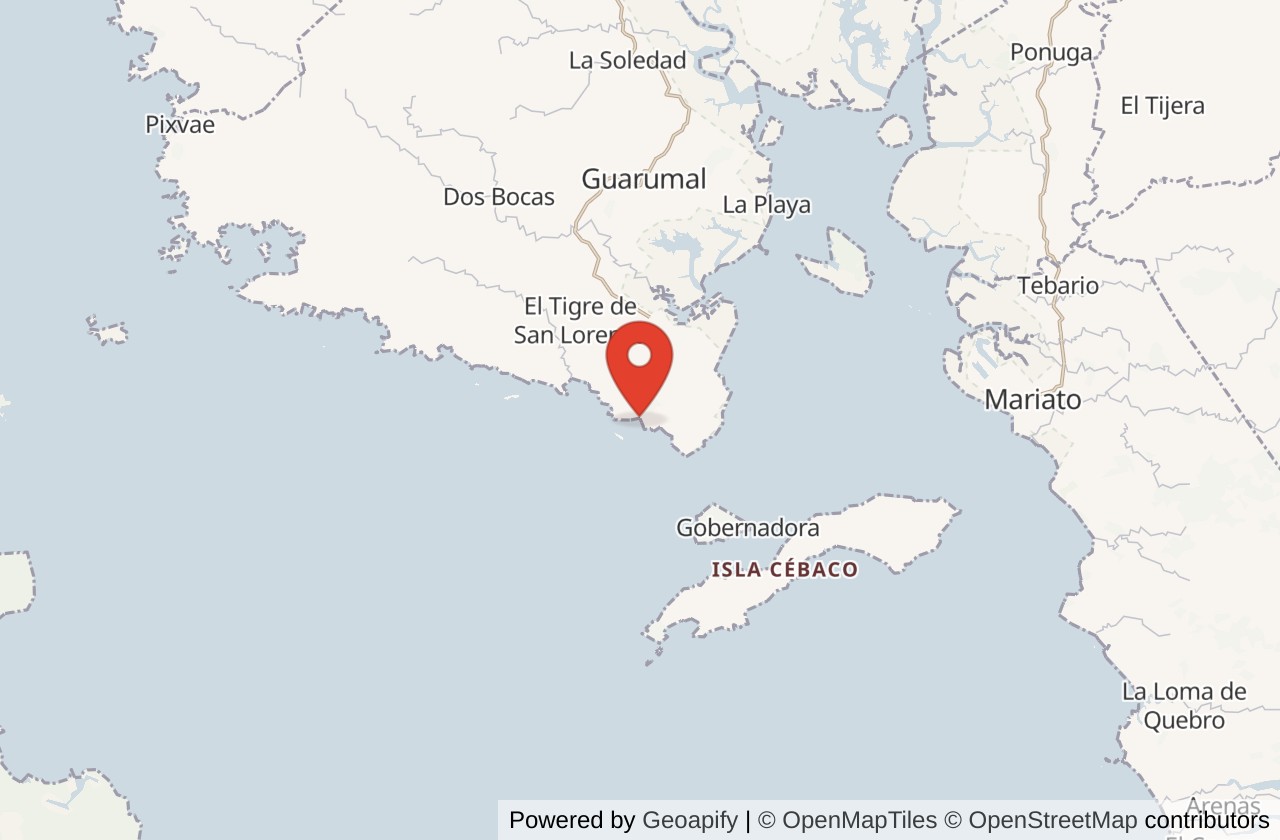
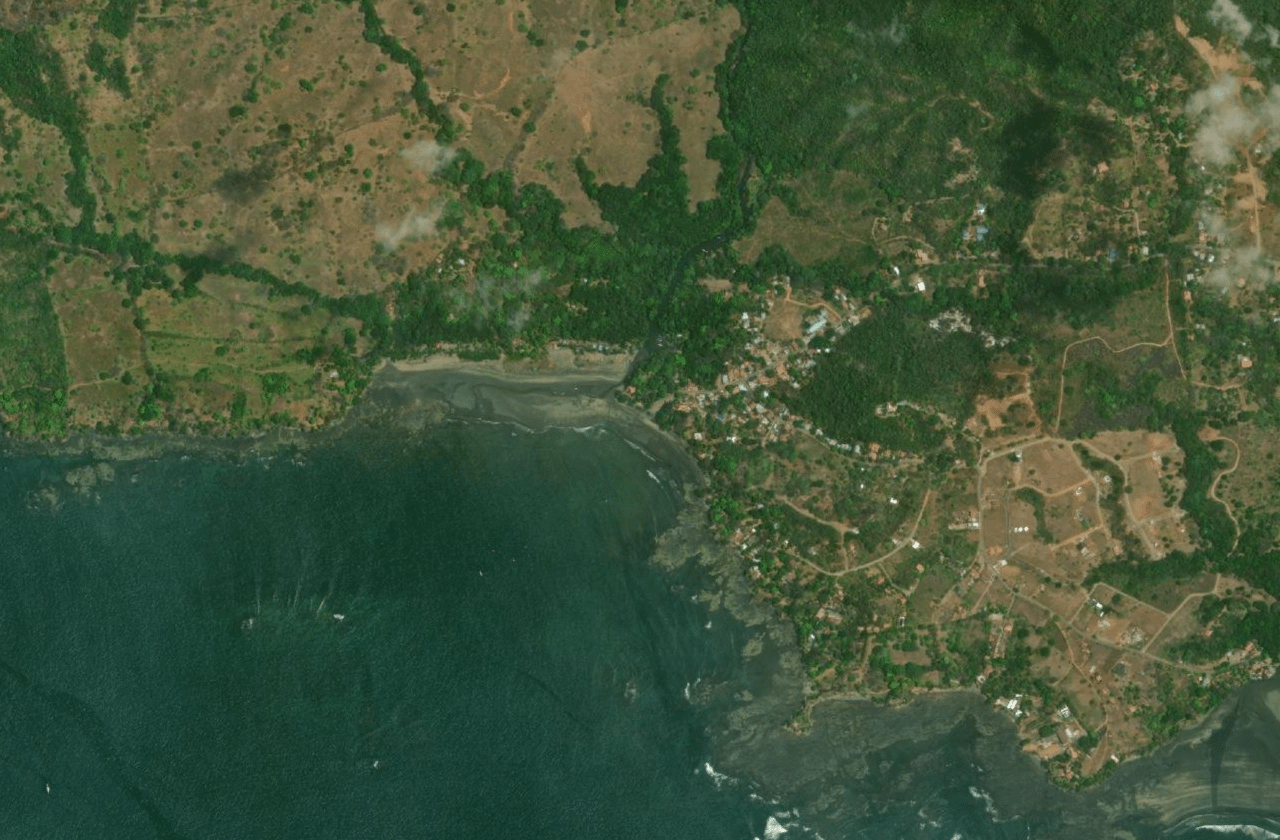
7.6239, -81.2596
What are the lineup and the town like at Playa Santa Catalina?
Localism
moderate
Crowd
Uncrowded by international standards — a busy day at La Punta is a few dozen surfers, and on smaller days you may share it with a handful. Numbers swell in peak swell season (Apr–Sep) and during dry-season holidays. The water is a mix of travelers, surf-camp guests, instructors and a small resident crew; dawn is quietest and the long paddle naturally thins the lineup.
La Punta is a quality wave with a long paddle and a defined takeoff zone, so it's known for rewarding patience and respect: wait your turn, don't drop in, and don't paddle straight to the peak and dominate. There's a core of local and resident surfers plus instructors who know the reef intimately — give them room, be friendly, and the vibe stays welcoming. The Estero beach break is mellow and beginner-tolerant; the tension, where it exists, is about positioning on a crowded good day at the point, not hostility.
In the lineup: La Punta is a long paddle (~15–20 min) — use the two channels between the reefs to get out rather than fighting straight through. Sit right on the takeoff point: too far inside and the reef will claim you and your board at low tide; too far out and you'll catch nothing. Avoid dead low tide when the reef is shallowest and dings are common; mid-to-higher tides are safer. Watch the current pushing through the channels and the sharp coral on entry/exit off the rocks. Estero is the safe sand-bottom alternative.
Santa Catalina is a small, end-of-the-road fishing village that's slowly become a surf-and-dive outpost — one main street to the beach, dusty in dry season and muddy in the rains, with sodas, dive shops, a few bars and roosters more than nightlife. It's remote and still developing: limited services, intermittent power and internet, and an early-to-bed rhythm built around tides and boat departures. The appeal is exactly that rawness — a powerful wave, easygoing pace, and a community of travelers and locals who came for the surf and diving and stayed for the quiet.
How do you get to Playa Santa Catalina?
Fly into Tocumen International Airport, Panama City (PTY) — about 230 miles from the break, 6–7 hours. There is no commercial airport near Santa Catalina. The fast alternative is a private charter (Cessna) from Panama City's Albrook (PAC) domestic airport to the Lago Bay airstrip ~10–15 min outside town — roughly $850–900 one-way per small plane, only worth it for groups or anglers. Most surfers fly into PTY (or PAC) and then drive or shuttle the rest.
- private transfer$60–80 per person (shared); ~$300–450 per vehicle private · 6–7 hours
Shared door-to-door shuttles run Panama City–Santa Catalina for around $60–80pp and are the easiest option with boards — most surf camps and hostels (Oasis, Bambuda, Surfers Paradise) will book one for you. Confirm board-bag space when reserving; vans are the norm so longboards usually fit.
- rental car$45–100/day plus ~$50–80 fuel · 6–7 hours self-drive
Pick up at PTY or in the city. Roads are paved the whole way (no 4x4 needed): Pan-American west to Santiago, turn off to Soná, then the final ~50 mi paved road down to the coast — scenic but slow with livestock and potholes. Use Waze/Google Maps, fuel up in Santiago (last reliable gas), and don't drive the final leg after dark. A car is gold for reaching Estero, town and supply runs to Soná.
- bus$15–25 total per person · 7–8 hours with a transfer in Soná
From Albrook terminal in Panama City take the bus to Soná (~5h, ~$10; morning departures), then transfer to the Santa Catalina bus (~1.5–2h, ~$5; only a few departures, last one mid-afternoon). Cheapest but an all-day affair — board bags are at the driver's discretion and the connection windows are tight, so leave Panama City early.
- flight~$850–900 one-way per small plane · ~45 min flight plus 15 min transfer
Charter a Cessna from Albrook (PAC) to the Lago Bay airstrip near town, then a short transfer. Fast but expensive and only sensible split across a group; book ahead in peak season. Confirm board-length limits with the operator.
Do you need a car at Playa Santa Catalina?
Do you need a car?
optional
Walkability
Santa Catalina is tiny and walkable — one main road (Carretera 94) runs down to the beach and La Punta, with Calle Estero branching off to Playa El Estero and most of the restaurants. From central lodging you can walk to the point, the beach break, sodas and dive shops in 5–20 minutes.
You don't strictly need a car: most travelers arrive by shuttle and get around town on foot. If you want to explore the Veraguas coast, hit other breaks, or do supply runs to Soná (the nearest ATM-and-supermarket town, ~1–1.5h), a rental car ($45–100/day, arranged from Panama City — there's no rental desk in town) helps. There's no Uber here; local panga captains, a handful of taxis and your guesthouse's driver network cover the gaps, and boat tours to Coiba/Cebaco are booked through the dive and surf operators.
Boards: Everything in town is close enough to carry your board on foot or strap it to a bike. For the airport-to-town leg, shuttle vans handle board bags fine; if self-driving, bring soft racks since most rentals are sedans or small SUVs without rails. The paddle to La Punta is long (~15–20 min) — store and wax up at your lodging, walk to the point, and jump off the rocks rather than hauling gear far.
Where can you stay near Playa Santa Catalina?
Surf camps and guided packages
- 7-Day Waluaa Surf & Yoga Camp in Santa Catalinafor intermediate+ · from $2,500 · 7 days · rated 4.8 by 22View package
Waluaa — Surf & yoga package — guided sessions plus daily classes
On Playa El Estero — short walk to the beach break, ~10–15 min to La Punta · A long-running budget surf base right on the sand at Estero, with a mix of dorm and private rooms, an Italian-leaning beachfront restaurant, board rentals and lessons. The convenient pick for learning the beach break before you tackle the point. (Booking.com, direct)
Directly fronting Playa El Estero · Dedicated surf camp with beachfront cabanas, structured coaching and guided sessions right on the Estero beach break — built around learners and progressing surfers who want a package with lessons included. (Direct (ranchoestero.com))
Packages bundle the stay and the surfing; check each listing for what its transfers include.
Hotels and other places to stay
Short walk/ride to town and the beach · Social, well-reviewed backpacker hostel (sister to the popular Bocas del Toro property) with dorms, privates, a pool and a sociable bar scene — the easy choice for solo travelers and a younger crowd who want company after sessions. (Booking.com, Hostelworld)
Beachside near town — steps from the water · Beachfront surf hostel with board rentals, lessons and laid-back rooms a short walk from the action. A solid, surf-focused budget base that can sort your gear and a lesson if you arrive empty-handed. (Direct (hostalsurfersparadise.com), Booking.com)
~6 mi / 15–20 min drive at Playa Lagartero (Bliss Beach), east of town · Beachfront hotel with a pool and the Kokodrilo bar & grill out at Playa Lagartero — a quieter, more comfortable option ~15–20 min from the village, good for couples or anyone who wants A/C and a pool over hostel buzz. You'll definitely want wheels or a lift into town for the surf. (Booking.com, Hotels.com)
Among the closest lodging to the main beach and La Punta · Long-standing, family-run budget cabins/rooms with some of the most convenient access to the beach and point in town — basic and cheap, the classic no-frills surfer stay close to the wave. (Direct / Booking.com)
Where do you eat at Playa Santa Catalina?
- La Buena Vidacafe · $ mid-range
Breakfast burritos, smoothie bowls and a strong espresso before a dawn session — The early-opening go-to for the pre-surf fuel and coffee fix, with healthy breakfasts, Greek and veg options. A reliable traveler favorite and a good spot to plan the day.
- Pizzeria Jamminrestaurant · $ mid-range
Wood-/stone-oven thin-crust pizza with homemade chili oil — Hugely popular Italian-run pizzeria with a palm-shaded garden — the default post-surf group dinner. Friendly service, generous toppings, fair prices; it gets busy in peak season so expect a wait.
- Los Pibes Grillrestaurant · $ mid-range
Argentine-style grilled meats and parrilla — Well-reviewed Argentine asado spot for when you want protein after a long day on the reef. A change of pace from pizza and rice-and-beans, and a town favorite for a sit-down meal.
- Chano's Pointrestaurant · $ mid-range
Fresh-caught fish and seafood by the water — Casual beachside seafood near the point — the place to eat whatever the pangas brought in, with sunset views. Local and unfussy.
- PanaWokrestaurant · $ budget
Build-your-own stir-fry wok bowls, veg-friendly — Cheap, fast, customizable wok bowls on Calle Estero with solid vegetarian options — handy for a quick, filling dinner without the wait.
- Local sodas / fondas (town center)soda · $ budget
Pollo, arroz, patacones and fresh fish — the daily plate — A handful of small Panamanian sodas around the main road serve cheap, filling local plates (chicken, rice, beans, fried plantain) for a few dollars. The budget backbone for a longer stay; cash only and hours can be loose.
Cooking for yourself
- Town minimarkets / abarroterías (Carretera 94)minimart
A few small minimarkets and shops along the main road cover the basics — water, snacks, eggs, pasta, beer, sunscreen — at a remote-village markup and with patchy stock. Fine for topping up and simple self-catering, but don't expect a real supermarket selection.
- Soná supermarkets (supply run)supermarket
For a proper shop — fresh produce, meat, range of dry goods — Soná, ~1–1.5h inland, is where the bigger supermarkets (and the reliable banks/ATMs) are. Locals and longer-stay surfers stock up there en route in. Worth the trip if you're cooking for a group.
- Panga fish landings (beach)fish market
Santa Catalina is a working fishing village — you can often buy fresh fish straight off the boats or from local vendors when the pangas come in. Ask around at the beach; availability depends on the day's catch.
Where do you rent or fix a board?
- Fluid Adventures Panamaboard rental · lessons · wax · ~$15–25/day (board rentals)
Established local surf/SUP and adventure operator running lessons, guided sessions, rentals and Coiba trips. Good for arranging a session, a guide for the point, or kit if you arrive light — though they're more an activity outfitter than a retail surf store.
- Surf-camp & hostel rental desks (Oasis, Surfers Paradise, Rancho Estero)board rental · lessons · wax · ~$15–25/day
There's no full retail surf shop with a deep ding-repair/board-sales range in town, so most gear comes through the surf camps and hostels, which rent boards, give lessons and sell wax. Bring your own quiver, leashes, spare fins, a ding kit and plenty of wax — replacements for anything specific are hard to find this far out, and a reef-worthy board with booties is essential for La Punta.
What do you do when it's flat?
- Coiba National Park snorkeling & divingwater · day tour ~$75–130 pp; diving more
The headline non-surf draw: a UNESCO-listed marine park reachable by panga from Santa Catalina, with world-class diving and snorkeling — reef sharks, rays, turtles and huge fish schools. Booked through town dive shops; check sea conditions, calmest in the Dec–Mar dry season.
- Cebaco Island surf/fishing boat tripsadventure · boat charter, varies (~$150+ per boat)
Santa Catalina is the launch point for boat missions to Cebaco and outer reefs — empty waves, sportfishing and remote islands a short panga ride out. Arranged through local captains and operators.
- Estero beach break surf lessonswater · ~$30–45 per lesson
The sand-bottom beach break at Playa El Estero is the learner's wave and where the surf schools teach. A safe, forgiving place to find your feet before going anywhere near the reef at La Punta.
- Scuba diving courseswater · discover-scuba ~$120; courses more
Several dive centers in town run PADI courses and fun dives, mostly out at Coiba. A flat-spell or rest-day option that makes the most of being on one of Panama's best stretches of marine coast.
- La Punta tide-pool & sunset walknature · free
At low tide the reef shelf below La Punta opens into tide pools you can explore on foot — and it's the prime perch to watch the point and the sunset. Wear shoes; the rock and reef are sharp.
- Yoga & wellnesswellness · class ~$10–15
Several camps and studios run drop-in yoga classes — useful recovery for shoulders worn out by the long paddle-outs. Schedules are posted around town and at the bigger hostels.
What should you know before you go?
Cash & ATMs
Cash is a real planning issue here. Santa Catalina has effectively one ATM in the village (by the pharmacy) that frequently runs out of cash or loses connectivity, and many sodas, camps and boat captains are cash-only. Arrive with enough USD (Panama uses the US dollar) in small bills — nothing bigger than $20 if you can — for your whole stay. The nearest reliable banks and ATMs are in Soná, ~1–1.5 hours inland.
Medical
There's no hospital in Santa Catalina — only basic services. The nearest clinic/hospital and doctor are in Soná (~1–1.5h); for anything serious you're heading to Santiago (~2h), the regional hub with the main hospital. Pack a proper first-aid and reef-cut kit (antiseptic, dressings) since coral cuts are the most common injury here, and bring any prescription meds you need with you.
Water safety
La Punta breaks over a shallow, sharp volcanic-rock-and-coral reef that gets dangerously exposed at low tide — wear reef booties, surf it on the mid-to-high incoming tide until you know the spot, and respect the strong current that runs along the point and through the channel. There are no lifeguards. Beginners should learn at the sand-bottom Playa El Estero beach break next door rather than the reef; rocks, reef cuts and rip currents are the main hazards, so check tides and conditions with a local surf school before paddling out.
Panama basics: money, entry, phones, water
Currency
US dollar (locally the 'balboa', pegged 1:1 — balboa exists only as coins) (USD) — 1 PAB = 1 USD by law (fixed peg since 1904) — prices are simply in dollars
Entry (US passport)
Up to 180 days — Visa-free for 180 days since 2021 (Resolution 22706, on reciprocity) — double what most passports get. Strictly enforced; make sure you get an entry stamp. Proof of US$500 (cash, card, or bank statement) and a return/onward ticket can be requested.
Language
Spanish, English (common in Panama City business/tourism and in Bocas del Toro; patchier on the Azuero peninsula). Decent in Panama City, Bocas del Toro, and at surf camps/hostels in Playa Venao itself. In between — Pedasí, rural Azuero towns, fondas, bus stops — basic Spanish goes a long way.
Plugs
A, B · 110–120V / 60Hz (same as US/Canada — no adapter needed for North American gear)
Tipping
10% is the norm at sit-down restaurants — check the bill, as some places add it automatically ('servicio'). Nothing expected at fondas or for taxis (round up). Tip surf guides/instructors ~$5–10 a session and boat captains in cash.
Phone / data
+Móvil (Cable & Wireless / Liberty; absorbed Claro in 2022), Tigo, eSIM (Airalo, Holafly, Nomad, etc.). Panama is down to two networks — +Móvil and Tigo — after Claro merged into +Móvil and Digicel pulled out. Both cover Panama City, the Pan-American Highway, and Azuero towns well; Playa Venao itself has usable 4G near the beach/camps but signal thins out fast on dirt roads to outlying breaks (Cambutal side especially). Most Venao accommodations have decent Wi-Fi (some now Starlink). Download offline maps before the Pedasí–Venao drive.
Tap water
Safe to drink in Panama City and most of the country — a genuine rarity in Central America. On the Azuero (Pedasí, Venao) locals drink it, though sensitive stomachs may prefer filtered after heavy rains. The big exception is Bocas del Toro, where you should stick to bottled/filtered water.
Emergency
911 for ambulance, 104 for police, 103 for fire (Bomberos) — 911 also works as a general emergency line. Tourist police in Panama City: +507 511-9260. English-speaking operators are hit-or-miss outside the capital.
Other passports: entry rules differ — check the official source before booking.
Alert me when Playa Santa Catalina is on
It's quiet right now. Drop your email and you'll get one message when our forecast shows a trip-worthy window here: the dates, the size, and a place to stay. Free.
Frequently asked questions about Playa Santa Catalina
Is Santa Catalina good for beginner surfers?
Beginners should stick to Playa El Estero, the sand-bottom beach break where the surf schools teach — it's safe and forgiving. The famous wave, La Punta, is a powerful right over sharp, shallow reef and is best for confident intermediate-to-advanced surfers.
How do you get to Santa Catalina from Panama City?
It's about 230 road miles and a realistic 6–7 hours: drive or shuttle the Pan-American Highway to Santiago, turn off to Soná, then the final paved leg down to the coast. Shared shuttles run ~$60–80pp; buses (via a transfer in Soná) cost $15–25 but take all day. A private charter flight to the Lago Bay airstrip is fastest but expensive.
When is the best time to surf Santa Catalina?
La Punta is consistent most of the year but fires biggest and most often during the southern-hemisphere swell season, roughly March–October (peak April–September). December–March brings smaller waves but the driest, sunniest weather and calmest seas for Coiba boat trips.
Is there an ATM in Santa Catalina?
There's essentially one ATM in town (by the pharmacy) and it regularly runs out of cash or goes offline, and many places are cash-only. Bring enough US dollars in small bills for your whole trip; the nearest reliable banks are in Soná, about 1–1.5 hours away.
Do I need a car in Santa Catalina?
No — the town is small and walkable, and most surfers arrive by shuttle and get around on foot. A rental car (arranged in Panama City) only helps if you want to explore the wider coast or do supply runs to Soná; there's no rental desk or Uber in town.
How dangerous is the reef at La Punta?
The reef is sharp and shallow, especially at low tide, and coral cuts are the most common injury — booties and a sturdy board are strongly recommended. Surf mid-to-higher tides, use the channels to paddle out, and stay precise with your positioning on the takeoff.
Can you rent a surfboard in Santa Catalina?
Yes — surf camps, hostels and operators like Fluid Adventures rent boards (~$15–25/day) and give lessons. There's no full retail surf shop, though, so bring your own reef-worthy board, leash, spare fins, a ding kit and plenty of wax if you're particular.
What else is there to do in Santa Catalina besides surf?
It's the launch point for Coiba National Park, a UNESCO marine park with world-class diving and snorkeling, plus boat trips to Cebaco, sportfishing, dive courses and yoga. The dry season (Dec–Mar) has the calmest seas for boat trips.
Sources for this guide
- thesurfatlas.comsecondary source · La Punta and secondary breaks (Estero, Punta Brava, Punta Roca): wave type, tide, swell season, skill level, hazards, crowd
- coiba-island.comsecondary source · La Punta wave description, long-paddle, channel paddle-out, positioning and reef-safety detail
- rome2rio.comsecondary source · Panama City–Santa Catalina distance/drive time and transport options (shuttle, bus, charter, costs)
- waluaa.comeditorial · Driving route via Santiago/Soná, road conditions (paved, no 4x4, livestock), bus schedule, shuttle and charter-flight costs
- janameerman.comeditorial · Town layout (one main road, Calle Estero), lodging (Bodhi, Bambuda) and restaurants (La Buena Vida, PanaWok), bus departures
- sessionstravel.comeditorial · Surf camps/schools (Hostal Surfers Paradise, Rancho Estero), Estero learner break, water-safety and temperature
- booking.comsecondary source · Hotel Oasis & Surf Camp existence, Estero location, dorm/private rooms, restaurant and rentals
- tripadvisor.comsecondary source · Verifying live restaurant listings (Pizzeria Jammin, Los Pibes Grill, Chano's Point, La Buena Vida)
- en.wikivoyage.orgsecondary source · ATM situation (one ATM, runs dry), nearest banks/medical in Soná, cash-only village context
- fluidadventurespanama.comofficial · Fluid Adventures surf/SUP operator: lessons, rentals, guided sessions and Coiba trips
- coibadivecenter.comofficial · Lago Bay airstrip charter access, Coiba dive logistics, drive/route confirmation
Guide researched and verified 2026-06-12. Details change; confirm bookings and entry requirements before travel.