When is the best time to surf Sayulita?
Peak Jun–Sep · often good May, Oct–Nov · can still fire Dec–Apr.
South swell season, June through September, is prime — the most consistent surf of the year on the main break, warm boardshort water, and the town at its calmest since it's tourist low season. May, October and November are shoulder months that still catch real south-swell pulses with even fewer people on the peak. The December–April dry season runs smaller and cleaner — friendly longboard walls, whale-watching offshore, and the busiest town calendar — and a winter NW pulse can still light up the bay, which is exactly when a heads-up pays off. There's no month here without a rideable day.
What does a surf trip to Sayulita look like?
A typical trip from our guide. A real alert comes with the forecast for each day and a fare from your airport.
A real alert we sent · Aug 28
We matched a surfer flying from Orlando (MCO) to this window: Sep 2–9, 8 good days with faces up to 7 ft, peaking 8/10. 9 nights, flights from $765 round trip.
This is a prior real trip from our match log, not a forecast. Windows and fares change; your alert carries the current ones.
How much does a surf trip to Sayulita cost?
A five-night trip, per person, before food and rentals.
Rows marked "based on … alerts" are the middle half of the real round-trip fares we quoted in alerts on that route, priced 3 to 10 days before departure, since June 2026. Checked Oct 17. Stays use our guide's nightly bands; transfers use the guide's quoted rates. Real alerts price the exact dates.
Where should you stay at Sayulita?
Closest to the wave
Petit Hotel Hafa $
boutique · mid-range · 5-minute walk
Seven-room Moroccan-meets-Mexico boutique on Calle Revolución with a roof deck over the rooftops of town. Central, charming, and books out fast in high season.
Stays nearbySurf camp or guided package
7-Day Surf Vacation in Sayulita
Variant Surf Co. · for intermediate+ · from $1,600 · 7 days · rated 4.7
All-inclusive surf camp — stay, boards & coaching bundled.
View packageCheaper
Viajero Sayulita Hostel $
hostel · budget · 5-minute walk
The social hub of backpacker Sayulita — pool, bar, and a young crowd. Pick it for the scene, not for early nights; light sleepers should look elsewhere.
Check ratesPoints play: Punta Mita cluster (W closest) (Marriott), 20–30 min from the break.
Browse all stays near the breakEvery place we researched, with its booking link and the surf packages, is under where to stay below.
What is the wave like at Sayulita?
Break type
Beach/Point
Wave direction
Both
Best swell
W (SW–NW window)
Ideal size
2–5 ft
Best tide
Mid
Low: rocks show on the point, weaker · High: soft, slow
Consistency
Very Consistent
Peak season
Jun–Sep
Nearest airport
PVR · ~30 mi
Drive from airport
45–60 minutes
Be clear-eyed about what you're signing up for: this is one of the most crowded beginner lineups on the Pacific coast of Mexico. The bay is small, the wave is forgiving, and on any given morning the peak holds a mix of surf-school groups, traveling longboarders, and locals who've been riding it for decades. If you want empty waves, Sayulita is your base camp, not your destination — La Lancha, Punta Burros, and the other Punta Mita breaks are 20–30 minutes south, and San Pancho's heavier beach break is 10 minutes north.
What keeps people coming back is the package. The whole town is walkable in flip-flops, board under your arm. Tacos run a couple of bucks, the coffee is good, and the surf-shop-to-block ratio might be the highest in Mexico. June through September brings consistent south swell and warm, boardshort water — and noticeably fewer tourists than the dry-season crush.
Who it suits
Beginners, longboarders, and mixed-ability groups who want a walkable surf town with a forgiving wave out front. Experienced shortboarders should treat it as a base for day trips to Punta Mita and San Pancho rather than the main event.
Where exactly is Sayulita?
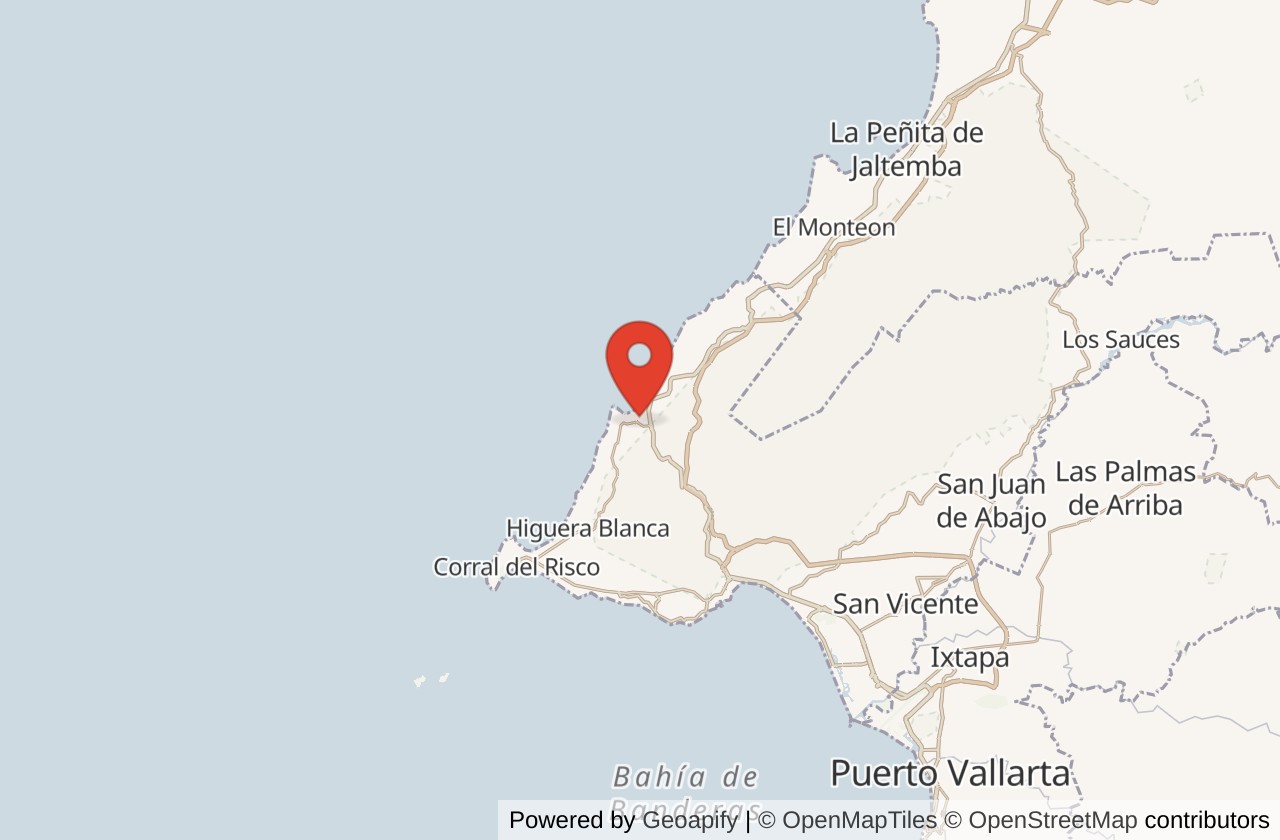
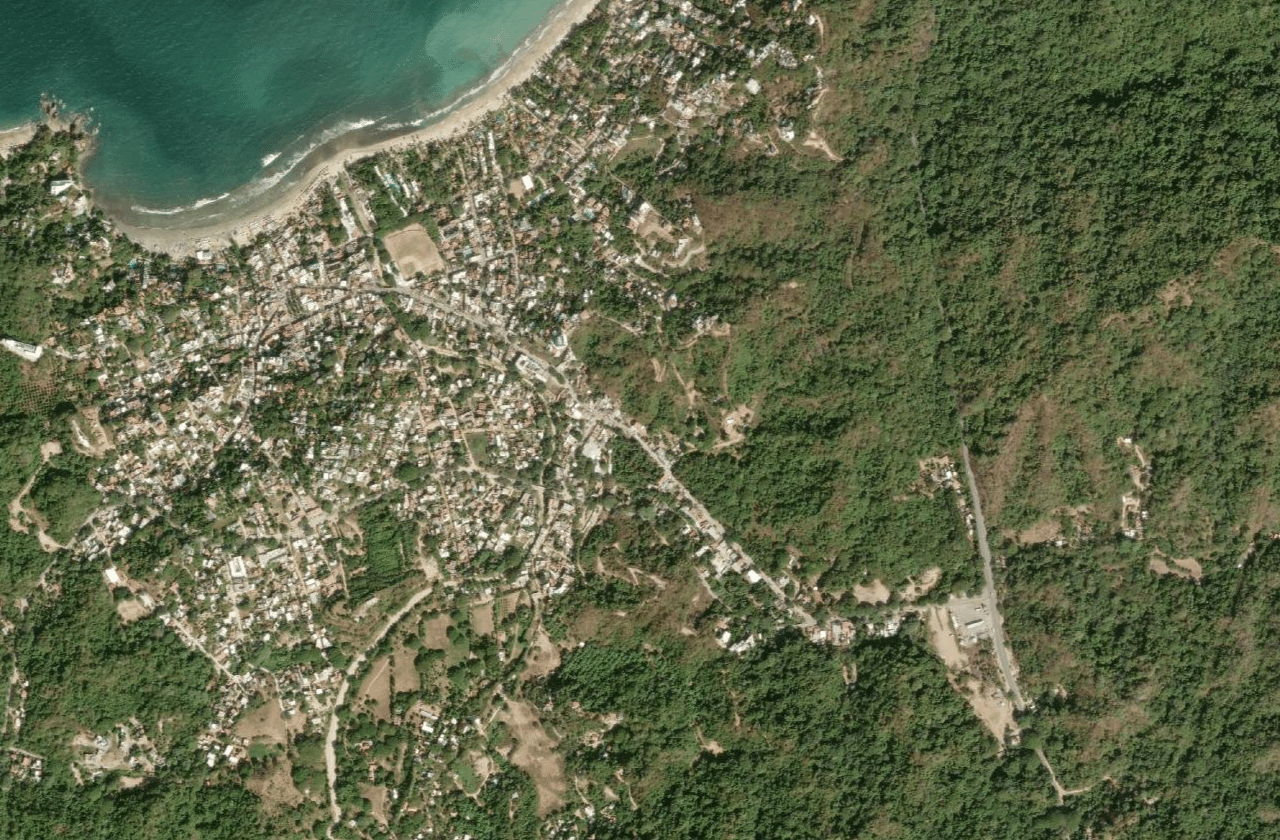
20.8667, -105.4333
What are the lineup and the town like at Sayulita?
Localism
mellow
Crowd
Genuinely crowded most of the year: surf-school groups, first-timers on foamies, traveling longboarders, and a core of local riders all share a small bay. Dawn patrol and the summer low season (June–September) are your best windows; winter mid-mornings are the zoo. Experienced surfers thin the crowd by day-tripping to La Lancha or San Pancho.
The lineup is known for being friendly but chaotic rather than territorial — the bigger frustration locals voice is beginners ditching boards and paddling out through the peak. Know the basics: don't drop in on the longboarders who've clearly been riding the point for years, control your board, and share the reforms with the surf schools.
In the lineup: The main right breaks at the north end of the bay over sand and cobblestone — sit wide of the school zone in the middle of the beach. There's also a left toward the river mouth on bigger swells. Watch for loose rental boards, and give the point's regular longboarders priority on set waves.
A one-time fishing village that grew into Mexico's definitive boho surf town: cobblestone streets strung with papel picado, golf carts instead of cars, galleries and mezcal bars next to taco stands, and Huichol artisans selling beadwork on the plaza. It's touristy and knows it — lively, walkable, and fun, with a real Mexican town still visible a few blocks back from the beach. Nights are social but it's more margaritas-and-live-music than full party town.
How do you get to Sayulita?
Fly into Puerto Vallarta (Licenciado Gustavo Díaz Ordaz International) (PVR) — about 30 miles from the break, 45–60 minutes. None worth considering — PVR is the only practical gateway, with direct flights from most major US and Canadian hubs.
- bus$2–3 per person · 1–1.5 hours
Compostela buses marked 'Sayulita' run roughly every 20 minutes, ~6am–10pm. Cross the highway from the airport via the pedestrian bridge to catch one. Cheap and reliable, but boards bigger than a shortboard are a squeeze.
- taxi$50–80 · 45–60 minutes
Airport taxis are the fastest door-to-door option and will take board bags. Agree on the fare before loading up; prices at the official airport taxi stands run higher than street taxis.
- private transfer$90–120 per vehicle · 45–60 minutes
Pre-bookable online (Welcome Pickups, Daytrip, and similar). Worth it for groups with multiple board bags — confirm board-bag space when booking.
- rental car$35–60/day · 45–60 minutes
All major agencies at PVR. Only worth it if you plan to chase waves at Punta Mita or San Pancho — parking in Sayulita itself is tight and the town doesn't need a car.
Do you need a car at Sayulita?
Do you need a car?
optional
Walkability
Excellent. Town is compact — most lodging is within a 10-minute walk of the main break, and you can carry a board from almost anywhere in the village.
You don't need wheels inside Sayulita; the whole town covers a few cobblestone blocks. Golf carts are the local rental of choice ($50–80/day) for hauling boards and groceries up the hills. Taxis hang around the plaza and run to nearby towns; a car rental ($35–60/day) only earns its keep if you're surfing La Lancha and the Punta Mita breaks regularly, since those require a drive plus a walk in.
Boards: Longboard rentals stay near the beach, so most people never move a board farther than a few blocks on foot. Golf carts handle boards fine, local taxis will usually strap or squeeze a board in for trips to Punta Mita or San Pancho, and surf schools like WildMex run shuttles to La Lancha with boards included.
Where can you stay near Sayulita?
Surf camps and guided packages
- 7-Day Surf Vacation in Sayulitafor intermediate+ · from $1,600 · 7 days · rated 4.7 by 4View package
Variant Surf Co. — All-inclusive surf camp — stay, boards & coaching bundled
2–3 blocks · Multi-day packages bundle lodging (hostel or hotel tier) with daily coaching and shuttle trips to La Lancha — the most efficient way to actually progress rather than just flounder in the main-break crowd. (wildmex.com / BookSurfCamps)
Packages bundle the stay and the surfing; check each listing for what its transfers include.
Hotels and other places to stay
5-minute walk · The social hub of backpacker Sayulita — pool, bar, and a young crowd. Pick it for the scene, not for early nights; light sleepers should look elsewhere. (Hostelworld / Booking.com / direct site)
10-minute walk · Pool, shared kitchen, rooftop yoga, and daily breakfast — a calmer budget option than the party hostels, with a surf-traveler crowd. (Hostelworld / Booking.com)
1-minute walk · Small, homey, and about as close to the sand as budget beds get in Sayulita. Surf-focused, with lessons and trips bookable through the hostel. (Hostelworld / Booking.com)
5-minute walk · Seven-room Moroccan-meets-Mexico boutique on Calle Revolución with a roof deck over the rooftops of town. Central, charming, and books out fast in high season. (Direct site / Airbnb)
4-minute walk · Solid mid-range pick: pool, free parking (rare in town), on-site restaurant, and a quick walk to both the plaza and the sand. Good for couples and small groups who want privacy without resort prices. (Booking.com / direct site)
10-minute walk (on Playa los Muertos side) · Sayulita's flagship splurge — individually designed villas with ocean views and full kitchens on the quiet south headland. You trade a few minutes' walk to the break for the nicest rooms in town. (Direct site / Hotels.com)
Varies — many within 5–10 minutes of the beach · The long-running local listing site for houses and condos, from budget casitas to full hillside villas. Best option for families or crews of four-plus who want a kitchen and space to stash boards. (sayulitalife.com (also Airbnb/Vrbo for many of the same homes))
Where do you eat at Sayulita?
- Mary'srestaurant · $ budget
Baja-style shrimp and fish tacos — the loaded 'Sayulita Taco' is the move — A town institution for post-surf tacos; big portions, fresh fish, fast turnaround.
- Naty's Cocinastreet food · $ budget
Mole and nopales (cactus) tacos — Cafeteria-style, point-at-what-you-want home cooking at street prices — tacos run about a dollar and change. The most authentic cheap feed in town.
- El Itacatestreet food · $ budget
The 'Itacate' — a burrito whose shell is made entirely of grilled cheese — Famous overstuffed steak-and-cheese tacos; recently moved to a bigger spot with more seating. Expect a line at dinner and zero regrets.
- ChocoBananacafe · $ budget
Chocolate-dipped frozen banana; solid breakfast plates and coffee — On the plaza since the early days, open from 6am — the default pre-dawn-patrol coffee and breakfast stop.
- La Rústicarestaurant · $ mid-range
Wood-fired pizza — Stylish spot steps off the plaza doing pizza, pasta, and big salads — the reliable group-dinner pick when not everyone wants tacos again.
- Don Pedro's Restaurant & Barrestaurant · $$ high-end
Spicy tuna tostadas; fresh-catch mains — Beachfront under a giant palapa since 1994, looking straight at the lineup. Sayulita's classic splurge dinner — reserve ahead in high season.
Cooking for yourself
- Mercado Ollinmercado
Well-stocked market in town for produce, pantry staples, and prepared foods — enough to cook real meals if your rental has a kitchen.
- Abarrotes y Perfumería Guadalajaraminimart
Classic Mexican abarrotes for basics — beer, snacks, eggs, tortillas, sunscreen. Cheaper than the gringo-oriented shops.
- Mercado del Pueblofarmers market
Friday farmers market (10am–2pm, roughly November–April) on Calle Revolución with ~80 vendors: organic produce, bread, local sauces, and prepared food. Doesn't run in the summer surf season.
Where do you rent or fix a board?
- Lunazul Surf School & Shoplessons · board rental · board sales · wax · leashes · fins · apparel · $25–35/day (hourly rates available)
Family-run shop right on the main beach with a deep rental quiver — longboards, funboards, SUPs — plus lockers, showers, and changing rooms. Also runs guided trips to La Lancha and other Punta Mita breaks.
- WildMex Surf School & Adventure Centerlessons · board rental · board sales · wax · leashes · apparel · $20–35/day; weekly discounts
The biggest operation in town, with 300+ boards, small-group lessons (max 4 per instructor), multi-day surf camps, and daily shuttle-plus-surf trips to La Lancha. Locations in both Sayulita and Punta Mita.
What do you do when it's flat?
- Marietas Islands boat tourwater · $85–110 per person
Full or half-day boat trip to the UNESCO-listed island reserve off Punta Mita — snorkeling with rays and turtles, plus the famous Hidden Beach (limited-access). Book a licensed operator from town or the marina.
- Whale watching (Dec–Mar)nature · $80–110 per person
Humpbacks calve in Banderas Bay every winter; tours run from Sayulita and Punta Mita. Outside the south-swell surf season, but a reason to come back.
- Monkey Mountain hikeadventure · free self-guided; $85–95 guided with transport
Jungle trail to a 360-degree summit view over the whole Punta Mita peninsula — about an hour up. Go early, take water, and expect real heat by mid-morning in summer.
- Playa los Muertosnature · free
Sayulita's calmer pocket beach, a 15-minute walk south past the colorful cemetery. Better swimming and fewer crowds than the main bay — the standard flat-day move.
- Horseback riding in the Sierraadventure · $80–90 per person
Small-group rides through jungle and river crossings in the Sierra Madre foothills behind town, some ending on the beach.
- San Pancho day tripday trip · $1–3 by bus or colectivo
Ten minutes north: a mellower, artsier sister town with a heavier, hollower beach break for experienced surfers and great sunset restaurants. Easy half-day escape from the Sayulita bustle.
What should you know before you go?
Cash & ATMs
Sayulita has an Intercam bank branch on Calle Revolución with an ATM inside (weekday hours), plus several free-standing ATMs around the plaza — locals advise using the bank ATM, as the free-standing machines have a history of card-skimming complaints and high fees. Many small vendors are cash-only, so carry pesos.
Medical
Sayulita Health Clinic operates 24/7 in town with English-speaking staff, ER and ambulance service. Hospital San Pancho is 4 miles north for basics; for anything serious, CMQ in Bucerías (~25 min) or the full hospitals in Puerto Vallarta (~45 min).
Water safety
The wave itself is forgiving — sand and cobblestone bottom, no reef, no lifeguards, with rip current near the river mouth after rains. Water quality is the honest caveat: the bay has a documented history of contamination episodes, most recently a March 2025 advisory (a hotel sewage spill plus a detached treatment-plant discharge pipe) before authorities declared it clean again in April 2025 after the upgraded treatment plant and submarine outfall came online. Ongoing state testing has since shown levels well within safe limits, but it's smart to skip the river mouth after heavy summer rain and check current advisories (COFEPRIS/local reports) if you're sensitive to ear or stomach issues.
Mexico basics: money, entry, phones, water
Currency
Mexican peso (MXN) — ~17 MXN per USD (mid-2026)
Entry (US passport)
Up to 180 days, at officer's discretion — Visa-exempt for tourism. 180 days is the legal maximum, not a guarantee — the INM officer writes the number of days granted in your passport stamp (or FMM), and shorter grants matching your stated trip have become common. Check the stamp before leaving the booth and ask for more days if you need them.
Language
Spanish. Solid in established surf towns — Sayulita, San Pancho, Puerto Escondido (Zicatela/La Punta), Todos Santos and the Cabo corridor all run heavily on English for hotels, surf shops and restaurants. Step out to smaller breaks (Salina Cruz camps, Pascuales, mainland Nayarit pueblos) and basic Spanish goes a long way, especially with taxi drivers, boat captains and at tiendas.
Plugs
A, B · 127V / 60Hz — US/Canadian gear plugs straight in; grounded (3-prong) outlets can be scarce in older guesthouses
Tipping
Expected: ~10–15% at restaurants (check it isn't already on the bill as 'servicio'), MXN 10–20 for grocery baggers and gas-station attendants, ~MXN 25–50/day for housekeeping, and a small tip for surf guides/boat captains is appreciated.
Phone / data
Telcel (prepaid 'Amigo Sin Límite'), Travel eSIMs (Airalo, Holafly, Jetpac and similar — most ride the Telcel network), AT&T Mexico (prepaid). Telcel has the widest rural coverage by far — get Telcel (or a Telcel-network eSIM) if you're heading anywhere remote. Even so, expect dead zones and 2G-speed signal at out-of-the-way breaks: the Salina Cruz point cluster, stretches of the Oaxaca coast highway, mainland Nayarit beyond the towns, and most of the Baja peninsula between settlements (the Pacific side of central Baja can be signal-free for hours of driving). Surf camps and hotels usually have Starlink or DSL Wi-Fi; download offline maps before leaving pavement.
Tap water
Don't drink the tap water anywhere, including nice hotels — locals don't either. Buy purified water or refill from the 20L 'garrafón' jugs every guesthouse has; ice in restaurants is almost always commercial purified ice and fine. Brushing teeth with tap water is a personal-tolerance call; bottled is safer for sensitive stomachs.
Emergency
911 nationwide (police, fire, ambulance). Tourist assistance hotline: 078 in many states. English-speaking operators are not guaranteed outside resort areas.
Other passports: entry rules differ — check the official source before booking.
Alert me when Sayulita is on
It's quiet right now. Drop your email and you'll get one message when our forecast shows a trip-worthy window here: the dates, the size, and a place to stay. Free.
Frequently asked questions about Sayulita
Can beginners surf in Sayulita?
Yes — Sayulita is one of the best learn-to-surf towns in Mexico. The main bay breaks gently over sand and cobblestone, several established schools (Lunazul, WildMex) run small-group lessons, and rental longboards are everywhere. The trade-off is a crowded lineup, especially in winter.
Do I need a car in Sayulita?
No. The town is fully walkable and the main break is right in front of it. Rent a car (or join a surf-shop shuttle) only if you want to surf La Lancha and the Punta Mita breaks or explore San Pancho regularly.
How do I get from Puerto Vallarta airport to Sayulita?
It's about 30 miles, 45–60 minutes by car. Taxis run $50–80, pre-booked private transfers $90–120, and the Compostela public bus (caught across the highway footbridge from the terminal) costs about $2–3 (roughly 50 pesos) and takes 1–1.5 hours with stops.
When is the best time to surf Sayulita?
June through September, when south swells light up the main break most consistently and the water is warmest. It's also low season, so the lineup is thinner. Winter (Dec–Mar) has smaller, cleaner waves but peak tourist crowds.
Is the water in Sayulita clean enough to surf?
Generally yes — the bay was declared safe in April 2025 after an upgraded wastewater plant and offshore outfall came online, and state testing has shown levels well within limits since. The bay does have a history of contamination episodes, so avoid the river mouth after heavy rain and check current advisories if you're prone to ear or stomach trouble.
How crowded is the surf in Sayulita?
Very, by most standards — it's a small bay shared by surf schools, beginners, and longboarders. Surf at first light, come in the June–September low season, or day-trip to La Lancha or San Pancho for more room.
Is Sayulita expensive?
Mid-range for Mexico: hostel dorms run roughly $15–25, boutique hotels $100–250+, street tacos $1–3, and board rentals $20–35 a day. It's pricier than non-touristy Mexican towns but far cheaper than a comparable trip in the US.
Can experienced surfers find good waves near Sayulita?
Yes — use Sayulita as a base. La Lancha and the Punta Mita breaks (20–30 minutes south) offer better-quality point and reef waves, and San Pancho (10 minutes north) has a heavier beach break. Lunazul and WildMex both run guided trips.
Is it safe to surf in Sayulita?
Yes — Sayulita's wave is forgiving, breaking over a sand-and-cobblestone bottom with no reef, which is a big part of why it's such a popular learn-to-surf bay. The things to watch are the lack of lifeguards, a rip current near the river mouth after rains, and loose rental boards in the crowded lineup. Water quality is the honest caveat: the bay has a documented history of contamination episodes, so skip the river mouth after heavy summer rain and check current advisories if you're prone to ear or stomach trouble.
Sources for this guide
- wildmex.comofficial · Surf shop services, rentals, surf camps, La Lancha trips, water-quality background
- lunazulsurf.comofficial · Lunazul surf school/shop services and rentals
- sayulitalife.comsecondary source · Airport transfers, buses, taxis, golf carts; ATM/bank and medical-clinic details; vacation rentals
- tribune.traveleditorial · March–April 2025 water-quality advisory and all-clear, treatment-plant upgrade
- whereandwander.comeditorial · Restaurant verification: Mary's, El Itacate, Naty's Cocina and price levels
- tripadvisor.comsecondary source · Don Pedro's, La Rústica, ChocoBanana current operation and ratings
- hostelworld.comsecondary source · Hostel verification and price bands (Viajero, ITH, La Redonda)
- amorboutiquehotel.comofficial · Amor Boutique Hotel rooms and positioning
- mercadodelpueblo.orgofficial · Mercado del Pueblo farmers market schedule and vendors
- viator.comsecondary source · Activity cost bands: Marietas tours, horseback, Monkey Mountain hike
- sayulitahealth.comofficial · 24/7 Sayulita Health Clinic services
Guide researched and verified 2026-06-10. Details change; confirm bookings and entry requirements before travel.