When is the best time to surf La Lancha?
Peak Nov–Mar · often good Apr, Oct · can still fire May–Sep.
La Lancha is most consistent from late fall through spring (roughly November–April), when North Pacific NW groundswell wraps around the small peninsula into the southwest-facing bay — the same window that brings humpback whales into Banderas Bay. Summer flips to occasional south swells that sneak warm, playful sessions into the bay and are well worth jumping on when they show; the rainy season (roughly July–October) raises the estuary and the crocodile risk on the walk-in, so time those missions thoughtfully. Water is warm enough for boardshorts or a bikini most of the year; a spring top covers the coolest winter weeks.
What does a surf trip to La Lancha look like?
A typical trip from our guide. A real alert comes with the forecast for each day and a fare from your airport.
A real alert we sent · Aug 28
We matched a surfer flying from Orlando (MCO) to this window: Sep 2–8, 7 good days with faces up to 7 ft, peaking 8/10. 8 nights, flights from $765 round trip.
This is a prior real trip from our match log, not a forecast. Windows and fares change; your alert carries the current ones.
How much does a surf trip to La Lancha cost?
A five-night trip, per person, before food and rentals.
Rows marked "based on … alerts" are the middle half of the real round-trip fares we quoted in alerts on that route, priced 3 to 10 days before departure, since June 2026. Checked Oct 17. Stays use our guide's nightly bands; transfers use the guide's quoted rates. Real alerts price the exact dates.
Where should you stay at La Lancha?
Nearest base
ALMA Surf Lodge Punta Mita $
surf camp · mid-range · Punta de Mita — ~5–10 min drive to the trailhead
Surf-focused lodge near Punta Mita beach with a pool, restaurant and free parking — a comfortable mid-range pick that puts you closest of the real towns to La Lancha and El Anclote. Books out in winter.
Check ratesSurf camp
WildMex Surf Camp (Punta Mita / Sayulita) $
surf camp · mid-range · Camp shuttles run to the La Lancha trailhead
All-in surf-camp packages bundling accommodation, lessons, boards, instructors and shuttles to La Lancha and other Punta Mita/Sayulita breaks. The hands-off option for first-timers who'd rather not arrange transport, gear and coaching separately.
Stays nearbyCheaper
Punto Mita Suites & Hostel $
hostel · budget · Sayulita — ~20 min drive to the La Lancha trailhead
Budget base in Sayulita, walking distance from the WildMex Sayulita HQ that runs surf trips to La Lancha. Dorms and private rooms, social surf-traveler crowd; the obvious cheap pick if you want town life plus easy organized access to the wave.
Check ratesPoints play: Dreams Bahía Mita (Hyatt), about 21–29k points a night, 5–15 min from the break.
Browse all stays near the breakEvery place we researched, with its booking link, is under where to stay below.
What is the wave like at La Lancha?
Break type
Point
Wave direction
Both
Best swell
W (SW–NW window)
Ideal size
3–8 ft
Best tide
Mid to high
Low: shallow reef, takeoff rock exposed, sectiony
Consistency
Very Consistent
Peak season
Nov–Mar
Nearest airport
PVR · ~23 mi
Drive from airport
40–55 minutes
The wave reads as forgiving because mostly it is. There are softer, slow-rolling peaks down the beach that are about as gentle an open-ocean wave as you'll find, and a punchier, longer section up by the rocky point that rewards intermediates working on trimming and reading a shoulder. The catch is right there in that point: a rock sits just under the surface at the takeoff and shows itself at low tide, so the spot rewards knowing where you are before you paddle out. This is a winter-leaning break — despite facing roughly southwest, the peninsula is small enough that NW groundswell wraps in, so the most consistent surf runs from late fall through spring.
Know the context you're walking into. La Lancha is the public, jungle-backed counterpoint to one of Mexico's most upscale corners — the gated Punta Mita development with its Four Seasons and St. Regis is a couple of kilometers up the road, and the towns you'll actually base in (Punta de Mita, La Cruz de Huanacaxtle, Sayulita) range from working fishing village to boho surf scene. You drive or bus to the Pemex on Highway 200, walk in, surf, and walk out. Come with your own gear or rent from the WildMex shop at the trailhead, bring small bills, and respect the estuary the trail crosses — there are crocodiles in it.
Who it suits
Beginners and improving intermediates who want a soft, sand-bottom wave and a beach with no road access; travelers basing in Punta de Mita, La Cruz or Sayulita who'll happily walk in to surf.
Where exactly is La Lancha?
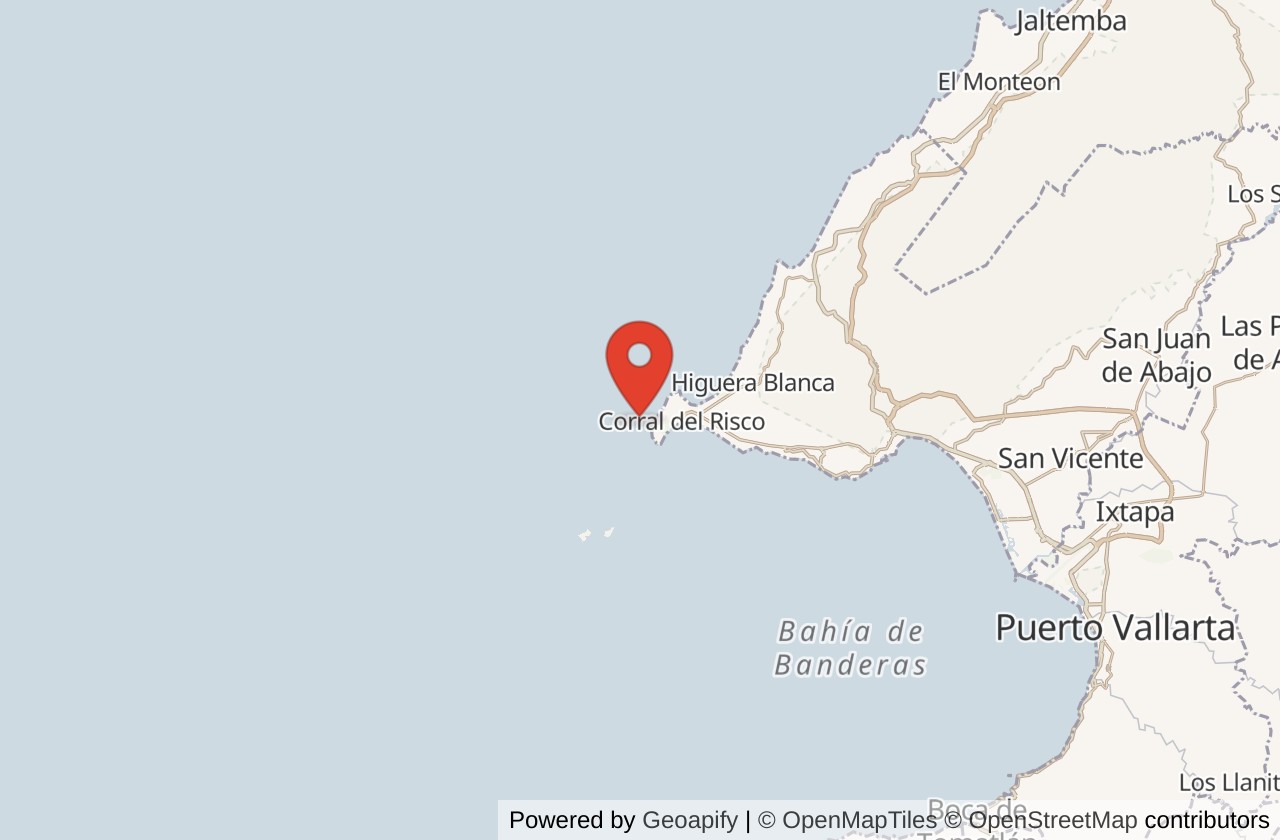

20.7616, -105.4951
What are the lineup and the town like at La Lancha?
Localism
mellow
Crowd
A friendly mix of beginners and intermediates, surf-school groups, traveling surfers and locals. It gets busiest mid-morning when the lessons run and on winter weekends; the walk-in keeps day-tripper numbers lower than road-access breaks. Dawn patrol and weekdays are the quietest and usually the cleanest before the onshore fills in.
La Lancha is known as a learner-friendly, welcoming wave with multiple peaks, which spreads people out and keeps tension low — it's a teaching beach for the area's surf schools as much as anything. Standard rules still apply: don't drop in, share the peaks, and give the point section room since that's where the better surfers and the rock are. Lesson groups are part of the scene, so be patient with beginners.
In the lineup: Spread out across the multiple sandy peaks down the beach for the softer, more forgiving waves; the longer, punchier rides are up toward the rocky point. Mind the rock that sits just under the surface at the point takeoff — it's exposed at low tide and right in the drop-in zone, so scope it before you paddle out. Enter and exit off the sand; watch for the river/estuary mouth and any current after rain.
There's no town at La Lancha — just the jungle trail, the beach and the highway shop. You'll live in one of three very different bases: Punta de Mita, a low-key fishing village fast gentrifying on the edge of the ultra-exclusive gated Punta Mita resort zone (Four Seasons, St. Regis); La Cruz de Huanacaxtle, a working marina town with a great Sunday market and a sailing crowd; or Sayulita, the colorful, busy boho surf town to the north. The contrast between the empty, protected La Lancha beach and the luxury development next door is the defining flavor of the area — public jungle wave, private resort coast.
How do you get to La Lancha?
Fly into Licenciado Gustavo Díaz Ordaz International Airport, Puerto Vallarta (PVR) — about 23 miles from the break, 40–55 minutes. PVR is the only practical gateway. Tepic (TPQ) and Guadalajara (GDL) are far inland and only make sense if you're road-tripping Nayarit more broadly.
- private transferUS$60–90 per vehicle · 40–55 minutes
The easiest option with boards. Most hotels and surf camps in Punta de Mita, La Cruz and Sayulita will arrange a pre-booked van; confirm it's a van or SUV (not a sedan) if you're carrying board bags. Book ahead so you're not negotiating curbside.
- taxiUS$50–70 per vehicle to Punta de Mita · 40–50 minutes
Authorized airport taxis quote fixed zone fares from the terminal. Walk out of the airport and across the pedestrian bridge to flag a cheaper street taxi or Uber if you're light on luggage; with boards, the airport van is simpler. Confirm the trunk/roof can take your bag before loading.
- rideshareUS$35–55 to Punta de Mita / La Cruz · 40–55 minutes
Uber and Didi both work in the Puerto Vallarta area. Pickups at PVR are restricted — you typically meet the driver across the highway bridge from the terminal, which is awkward with a board bag. Surfboards depend on the car that shows up; request larger and message the driver.
- busUS$2–4 per person · 1.5–2 hours with a transfer
Compostela/local buses run Highway 200 toward Punta de Mita and La Cruz; you'll usually transfer in Bucerías or at the Walmart junction. Cheap and doable for a light traveler, slow and a hassle with a board bag and jet lag. The La Lancha stop is the Pemex on the highway.
Do you need a car at La Lancha?
Do you need a car?
recommended
Walkability
There's no lodging on La Lancha beach itself — it's a protected reserve reached only by the jungle trail. From the WildMex shop and the Pemex on Highway 200 it's a 7–10 minute walk in. Punta de Mita town/El Anclote is a short drive or local bus from the trailhead; La Cruz is ~15 minutes and Sayulita ~20 minutes by road.
A rental car (roughly US$35–60/day, more in winter high season) makes the most sense if you're chasing tide windows at La Lancha and also want El Anclote, Sayulita and Burros within reach. Without a car you're fine: cheap, frequent local buses run Highway 200 between Bucerías, La Cruz, the La Lancha Pemex and Punta de Mita all day, and Uber/Didi cover the area for door-to-door hops. Taxis are easy to flag in the towns. Surf camps run their own shuttles to the trailhead.
Boards: Plan your board transport, since the local buses and many Ubers won't love a big bag — a shortboard with fins out usually squeezes into a car, but for longboards and travel coffins request a larger vehicle or use a surf-camp shuttle. If you're not bringing boards, WildMex at the trailhead rents from a 200+ board quiver so you can walk in empty-handed and grab a board on the spot.
Where can you stay near La Lancha?
Surf camps and guided packages
Punta de Mita — ~5–10 min drive to the trailhead · Surf-focused lodge near Punta Mita beach with a pool, restaurant and free parking — a comfortable mid-range pick that puts you closest of the real towns to La Lancha and El Anclote. Books out in winter. (Booking.com)
Camp shuttles run to the La Lancha trailhead · All-in surf-camp packages bundling accommodation, lessons, boards, instructors and shuttles to La Lancha and other Punta Mita/Sayulita breaks. The hands-off option for first-timers who'd rather not arrange transport, gear and coaching separately. (Direct (wildmex.com))
Hotels and other places to stay
Sayulita — ~20 min drive to the La Lancha trailhead · Budget base in Sayulita, walking distance from the WildMex Sayulita HQ that runs surf trips to La Lancha. Dorms and private rooms, social surf-traveler crowd; the obvious cheap pick if you want town life plus easy organized access to the wave. (Booking.com, Hostelworld)
Sayulita — ~20 min drive to the trailhead · Well-run flashpacker hostel in central Sayulita with a pool, dorms and privates, and a steady backpacker-surfer scene. Good if you want nightlife and multiple breaks from one base and don't mind the drive to La Lancha. (Booking.com, Viajero direct)
El Anclote, Punta de Mita — ~5–10 min drive to the trailhead · Boutique apartments steps from El Anclote beach with a saltwater pool and a relaxed surf vibe. Two- and three-bedroom units make it a good split for a crew, and you're walking distance to the El Anclote longboard wave on small days. (Direct, Booking.com)
El Anclote, Punta de Mita — ~5–10 min drive to the trailhead · Small beachfront hotel on the El Anclote strip with a rooftop pool and restaurant — a comfortable, well-reviewed mid-range base in town when you want a bit more polish than a hostel without resort prices. (Booking.com, direct)
Playa Careyeros, Punta de Mita — ~10 min drive to the trailhead · Long-running adults-oriented boutique beach hotel on a quiet cove with a small pool and full board available. The splurge stay in the area outside the gated resorts — book direct, well ahead. (Direct (casademita.com))
Varies — Punta de Mita condos ~5–10 min drive to the trailhead · Condos and villas around Punta de Mita and the La Lancha frontage rent well on Airbnb/Vrbo, many with kitchens and pools — the practical pick for families or groups who want to self-cater and stock up in Bucerías. Distance to the trailhead varies, so check the map before booking. (Airbnb, Vrbo)
Where do you eat at La Lancha?
- Makai (at the La Lancha trailhead/WildMex)restaurant · $ mid-range
Post-surf tacos, ceviche and cold beers — The on-site restaurant by the WildMex shop at the La Lancha trailhead — the closest food to the wave, handy for refueling before the walk back to the car. Casual surf-shack fare; the convenience is the point.
- Tacos & Papasstreet food · $ budget
Tacos al pastor and loaded papas — Cheap, authentic and beloved by locals in Punta de Mita — the go-to when you want a real taco fix rather than beach-club prices. The kind of spot to hit after a dawn session.
- La Pescadorarestaurant · $ mid-range
Midday ceviche, poke bowls and shrimp tacos — Reliable seafood right by the water in Punta de Mita — fresh daily fish and shrimp, good for a relaxed lunch or sunset dinner without the resort markup.
- Mita Maryrestaurant · $$ high-end
Guacamole, ceviche and fish tacos, toes in the sand — Toes-in-the-sand beachfront restaurant at the St. Regis Punta Mita resort (open to non-guests with a reservation) serving fresh, light Mexican plates and cocktails. A mellow upscale lunch between La Lancha sessions; book ahead.
- La Rústica Mita Beach Clubrestaurant · $$ high-end
Wood-fired pizza and sunset cocktails on El Anclote — Lively beachfront club right in front of the El Anclote break with a wood-fired Italian-leaning kitchen and a strong sunset-drinks scene. The splurge-y, social option when you want a night out.
- Tuna Blancarestaurant · $$ high-end
Pacific-French ceviches and wood-grilled octopus — Punta de Mita's upscale destination kitchen — chef-driven, beachfront, and a real treat-yourself dinner. Worth it once if your trip skews part-surf, part-honeymoon; reserve ahead in winter.
- Sayulita taco stands & comedoresstreet food · $ budget
Fish and birria tacos, fresh juices — If you're basing in Sayulita, the plaza and side streets are stacked with cheap taco stands, juice bars and comedores — the easiest budget eating in the whole area. Cash in pesos.
Cooking for yourself
- Mini-supers along Punta de Mita / Highway 200minimart
Punta de Mita and the La Lancha stretch have small mini-supers and an OXXO by the Pemex at the trailhead for water, snacks, beer, sunscreen and basics. Fine for topping up before a session, not for a full self-catering shop.
- Mega / La Comer / Chedraui, Buceríassupermarket
The nearest full supermarkets are in Bucerías, roughly 15–20 minutes southeast on Highway 200 — Mega and La Comer sit across the road from each other, with Chedraui nearby. This is where to do a real grocery run if you're cooking in a condo; they also have in-store ATMs.
- La Cruz Sunday Market (Mercado del Mar)farmers market
Seasonal Sunday market at the La Cruz de Huanacaxtle marina (roughly November–April) with produce, prepared food, fish and local goods. Great for fresh fruit, veg and a cooked breakfast; cash is king.
Where do you rent or fix a board?
- WildMex Surf School & Adventure Center (La Lancha trailhead)board rental · lessons · wetsuits · apparel · wax · ~US$25–35/day; ~US$145/week
The de facto surf hub for La Lancha, sitting right at the trailhead by the Pemex with a 200+ board quiver, lockers, changing rooms, showers, rashguards and wetsuit tops. ISA-certified bilingual instructors run lessons (typically 2–3 hours) and the shop also operates out of Sayulita with free swaps between centers. Bring a ding kit and spare fins if you're picky — for everything else this is your one-stop. There's no full retail surf shop on La Lancha beach itself.
- Sayulita surf shops (e.g. Lunazul, Sayulita Surf Camps)board rental · lessons · ding repair · wax · apparel · ~US$20–30/day
If you're basing in Sayulita, the town has several established surf schools and rental shops that also run trips and lessons at La Lancha. Handy for ding repair, extra wax and renting a longboard for the El Anclote/Sayulita small days.
What do you do when it's flat?
- Marietas Islands snorkel & Hidden Beach tourwater · US$80–140 per person
Boat tours from Punta de Mita and Sayulita to the protected Marietas Islands for snorkeling and the famous Playa del Amor (Hidden Beach). Access to the hidden beach is permit-limited and weather-dependent — book a licensed operator (WildMex, Sayulita Entourage) ahead.
- Humpback whale watchingnature · US$60–110 per person
From roughly December to March, humpbacks fill Banderas Bay and Punta Mita boats run whale-watching trips, often combined with Marietas snorkeling. One of the best reasons to surf here in winter — go with a licensed boat.
- Surf-and-explore day in Sayulitaday trip · free–US$30
The boho surf town ~20 minutes north is worth a day: its own beginner beach break, taco stands, boutiques and nightlife. Easy car or bus hop and a good flat-day backup if La Lancha goes quiet.
- Stand-up paddle / kayak Banderas Baywater · US$25–50 rental/tour
The calm, turquoise water off El Anclote and Punta de Mita is ideal for SUP and kayaking on flat days. Rentals are easy to arrange through the surf shops and beach operators in town.
- Sportfishing out of Punta de Mita / La Cruzadventure · US$300–600 per boat (half day)
Punta de Mita and the La Cruz marina are launch points for panga and cruiser fishing — dorado, tuna and sailfish in season. Split across a crew it's a memorable non-surf day; book through marina operators.
- La Cruz marina & Sunday market strollculture · free
The La Cruz de Huanacaxtle marina has a relaxed boardwalk, fish-taco joints and (in winter) a busy Sunday artisan-and-food market — a low-key cultural afternoon between sessions.
What should you know before you go?
Cash & ATMs
No ATM at La Lancha — the trailhead has the WildMex shop and an OXXO by the Pemex, but bring cash. The nearest reliable ATMs are in Punta de Mita town, La Cruz and Bucerías (use machines inside banks or supermarkets like Mega/La Comer). Carry small bills in pesos for the bus, taco stands and tips.
Medical
Punta de Mita has small clinics and pharmacies for minor issues. The nearest hospitals are in Bucerías and Nuevo Vallarta (~20–30 minutes), with full hospitals in Puerto Vallarta (~45 minutes) for anything serious. Pack reef-cut/scrape supplies — the point has rock — and your own first-aid basics.
Water safety
La Lancha is mostly a soft sand-bottom break, which makes it forgiving, but two hazards stand out: a rock just under the surface at the point takeoff (exposed at low tide, right in the drop-in zone) that you should locate before paddling out, and the estuary the access trail crosses, which is home to crocodiles. Stay on the bridges, walk in groups, heed the warning signs, and don't linger near the creek — risk rises in and after the rainy season when water levels lift. In the water, watch for rip current near the river mouth, especially after rain, which also drops water clarity for a day or two. There are no lifeguards; the beach is a remote reserve. Water is warm year-round and generally clean.
Mexico basics: money, entry, phones, water
Currency
Mexican peso (MXN) — ~17 MXN per USD (mid-2026)
Entry (US passport)
Up to 180 days, at officer's discretion — Visa-exempt for tourism. 180 days is the legal maximum, not a guarantee — the INM officer writes the number of days granted in your passport stamp (or FMM), and shorter grants matching your stated trip have become common. Check the stamp before leaving the booth and ask for more days if you need them.
Language
Spanish. Solid in established surf towns — Sayulita, San Pancho, Puerto Escondido (Zicatela/La Punta), Todos Santos and the Cabo corridor all run heavily on English for hotels, surf shops and restaurants. Step out to smaller breaks (Salina Cruz camps, Pascuales, mainland Nayarit pueblos) and basic Spanish goes a long way, especially with taxi drivers, boat captains and at tiendas.
Plugs
A, B · 127V / 60Hz — US/Canadian gear plugs straight in; grounded (3-prong) outlets can be scarce in older guesthouses
Tipping
Expected: ~10–15% at restaurants (check it isn't already on the bill as 'servicio'), MXN 10–20 for grocery baggers and gas-station attendants, ~MXN 25–50/day for housekeeping, and a small tip for surf guides/boat captains is appreciated.
Phone / data
Telcel (prepaid 'Amigo Sin Límite'), Travel eSIMs (Airalo, Holafly, Jetpac and similar — most ride the Telcel network), AT&T Mexico (prepaid). Telcel has the widest rural coverage by far — get Telcel (or a Telcel-network eSIM) if you're heading anywhere remote. Even so, expect dead zones and 2G-speed signal at out-of-the-way breaks: the Salina Cruz point cluster, stretches of the Oaxaca coast highway, mainland Nayarit beyond the towns, and most of the Baja peninsula between settlements (the Pacific side of central Baja can be signal-free for hours of driving). Surf camps and hotels usually have Starlink or DSL Wi-Fi; download offline maps before leaving pavement.
Tap water
Don't drink the tap water anywhere, including nice hotels — locals don't either. Buy purified water or refill from the 20L 'garrafón' jugs every guesthouse has; ice in restaurants is almost always commercial purified ice and fine. Brushing teeth with tap water is a personal-tolerance call; bottled is safer for sensitive stomachs.
Emergency
911 nationwide (police, fire, ambulance). Tourist assistance hotline: 078 in many states. English-speaking operators are not guaranteed outside resort areas.
Other passports: entry rules differ — check the official source before booking.
Alert me when La Lancha is on
It's quiet right now. Drop your email and you'll get one message when our forecast shows a trip-worthy window here: the dates, the size, and a place to stay. Free.
Frequently asked questions about La Lancha
How do you get to La Lancha beach in Punta Mita?
La Lancha has no road access — you park at or near the WildMex shop and Pemex gas station on Highway 200 (across from the highway, southeast of Punta de Mita) and walk 7–10 minutes down a jungle trail that crosses a couple of creek bridges to reach the beach. Local buses on Highway 200 stop at the Pemex.
Is La Lancha good for beginners?
Yes — La Lancha is one of the most beginner-friendly waves in the Punta Mita area, with soft, multiple sand-bottom peaks and clean water, which is why local surf schools teach there. Improving intermediates get longer, punchier rides up by the rocky point.
Are there really crocodiles at La Lancha?
Yes. The access trail crosses an estuary that is home to crocodiles, and there have been bites near the creek bridges, particularly in the rainy season when water levels rise. Stay on the bridges, walk in groups, heed the signage, and don't linger by the water's edge.
When is the best time to surf La Lancha?
Late fall through spring (roughly November–April) is most consistent, when NW groundswell wraps into the bay — the same window as humpback whale season. Summer brings warmer, smaller and more variable surf plus the rainy season, which raises crocodile risk on the walk-in.
Where should I stay to surf La Lancha?
There's no lodging on the beach, so base in Punta de Mita (closest, ~5–10 min to the trailhead), La Cruz de Huanacaxtle (~15 min) or Sayulita (~20 min). Punta de Mita is most convenient; Sayulita has more nightlife and budget hostels.
Can you rent a surfboard at La Lancha?
Yes — WildMex runs a shop right at the trailhead with a 200+ board quiver, lockers, showers and changing rooms, renting boards from around US$25–35/day (about US$145/week). ISA-certified instructors also run lessons there, so you can walk in with nothing and surf.
How far is La Lancha from Puerto Vallarta airport?
About 23 miles by road, a 40–55 minute drive northwest on Highway 200. A private transfer runs roughly US$60–90, a taxi US$50–70, and Uber/Didi is cheaper but pickup at the airport is across the highway bridge.
Is La Lancha a reef break?
No — it's primarily a sand-bottom beach break with multiple peaks, which is why it's so forgiving. The exception is a single rock that sits just under the surface at the point takeoff and is exposed at low tide, so know where it is before paddling out.
How much does a surf trip to La Lancha cost?
A La Lancha trip can run cheap or plush: Sayulita hostels and taco stands at the budget end, mid-range surf lodges and hotels around Punta de Mita in the middle, and $$ boutiques like Casa de Mita at the top. Day-to-day costs include board rental around US$25–35/day (about US$145/week) at WildMex, a rental car roughly US$35–60/day (or US$2–4 local buses), and a US$35–90 airport transfer from PVR; in Mexico overall, budget travelers get by on about $30–50/day, mid-range on $60–110, and comfort-level trips run $130–250+.
How crowded is La Lancha?
La Lancha draws a friendly mix of beginners, intermediates, surf-school groups, traveling surfers and locals, and it's busiest mid-morning when the lessons run and on winter weekends. The 7–10 minute walk-in keeps day-tripper numbers lower than road-access breaks, and dawn patrol and weekdays are the quietest — the multiple peaks also spread people out and keep tension low.
Sources for this guide
- wildmex.comofficial · Wave type (sand-bottom multiple peaks), jungle-trail access/time, WildMex facilities, board rental and lessons, Makai restaurant
- wildmex.comofficial · Lineup hazards — submerged rock at the point takeoff exposed at low tide; etiquette/respect framing
- wildmex.comofficial · Crocodiles in the access-trail estuary, 2022 bite incident, rainy-season risk and bridge-crossing safety guidance
- thesurfatlas.comsecondary source · Punta Mita season model (winter-leaning, NW swell wrapping despite SW orientation), break overview
- rome2rio.comsecondary source · PVR→Punta de Mita road distance (~24.6 mi), drive time, taxi/bus/transfer options and cost bands
- wildmex.comofficial · WildMex weekly board-rental rate (~US$145/week) and inter-center swaps
- lushpalm.comeditorial · Punta de Mita restaurants (La Rústica, Tuna Blanca, Tacos & Papas, La Pescadora, Mita Mary's) verification and character
- rivieranayarit.comsecondary source · Grocery landscape — full supermarkets (Mega/La Comer/Chedraui) in Bucerías vs mini-supers in Punta de Mita/La Cruz
- wildmex.comofficial · Marietas Islands snorkel/Hidden Beach and whale-watching tour operators and seasons
- booking.comsecondary source · Lodging verification — ALMA Surf Lodge, Hotel Cinco, Punta Mita Surf Lodge, Viajero Sayulita, price bands and bookability
Guide researched and verified 2026-06-12. Details change; confirm bookings and entry requirements before travel.