When is the best time to surf Puerto San Jose?
Peak Apr–Sep · often good Mar, Oct · can still fire Nov–Feb.
The Pacific south-swell season runs roughly March through October, with the cleanest, most consistent windows reported around April and the bigger, more powerful days through the southern-hemisphere winter (May–September). Mornings are the play almost year-round, before the onshore sea breeze fills in. Water is warm enough for boardshorts and a rash vest every month. The same dry-to-early-wet-season window also overlaps Guatemala's marquee sailfish run, so expect more boats offshore.
What does a surf trip to Puerto San Jose look like?
A typical trip from our guide. A real alert comes with the forecast for each day and a fare from your airport.
A real alert we sent · Aug 31
We matched a surfer flying from Miami (MIA) to this window: Sep 4–6, 3 good days with faces up to 5 ft, peaking 7/10. 4 nights, flights from $450 round trip.
This is a prior real trip from our match log, not a forecast. Windows and fares change; your alert carries the current ones.
How much does a surf trip to Puerto San Jose cost?
A five-night trip, per person, before food and rentals.
Rows marked "based on … alerts" are the middle half of the real round-trip fares we quoted in alerts on that route, priced 3 to 10 days before departure, since June 2026. Rows marked "Google typical" are Google Flights' usual range for September, across all booking lead times, so a last-minute fare often lands above it. Checked Oct 17. Stays use our guide's nightly bands; transfers use the guide's quoted rates. Real alerts price the exact dates.
Where should you stay at Puerto San Jose?
Closest to the wave
Hotel Soleil Pacífico $
resort · mid-range · Beachfront at Chulamar — steps to the sand
The largest all-inclusive on the Chulamar beaches: pools, multiple restaurants and direct beach access, a long-time go-to for capital-city families. Reviews note dated, 1980s-era facilities, so set expectations — but it's a practical, full-service beachfront base for a surf-and-pool trip.
Check ratesCheaper
Hostal Casa Chica $
guesthouse · budget · Short drive/walk to the beach
Well-reviewed budget efficiency apartments good for groups, with optional home-style meals — the closest thing to backpacker-friendly value in San José itself. Self-catering setup pairs well with the town supermarkets.
Stays nearbyEvery place we researched, with its booking link, is under where to stay below.
What is the wave like at Puerto San Jose?
Break type
Beach
Wave direction
Both
Best swell
SSW (SSE–WSW window)
Ideal size
2–5 ft
Best tide
Mid to high
Low: rivermouth bars close out, stronger outgoing current
Consistency
Fairly Consistent
Peak season
Jun–Sep
Nearest airport
GUA · ~67 mi
Drive from airport
1.5–2 hours
What that means for a traveling surfer is a trade-off. The wave is consistent and uncrowded midweek, the water is bath-warm year-round, and you can be in the lineup the same day you land at GUA. But the surf-traveler infrastructure is thin — there's no dedicated surf shop in town, board rental is informal at best, and the scene revolves more around sportfishing and weekend day-trippers than around dawn patrols. The offshore canyon here is one of the best sailfish grounds on the planet, and the marinas at Puerto San José and neighbouring Iztapa launch a serious charter fleet.
Come self-sufficient and treat it as a fast, flexible Pacific beach break rather than a surf-camp holiday. Bring your own boards, leashes, wax and a ding kit; respect the strong rips that run along this coast; and know that the more developed surf-school scene — schools, hostels, board hire — is an hour west at El Paredón, with the Iztapa rivermouth a 30-minute hop the other way for a more advanced, barrelling session.
Who it suits
Intermediate surfers who want a fast, hollow beach break within easy reach of Guatemala City and are happy to be fully self-sufficient. Less ideal for beginners or for anyone wanting an established surf-school-and-hostel scene — that's an hour west at El Paredón.
Where exactly is Puerto San Jose?
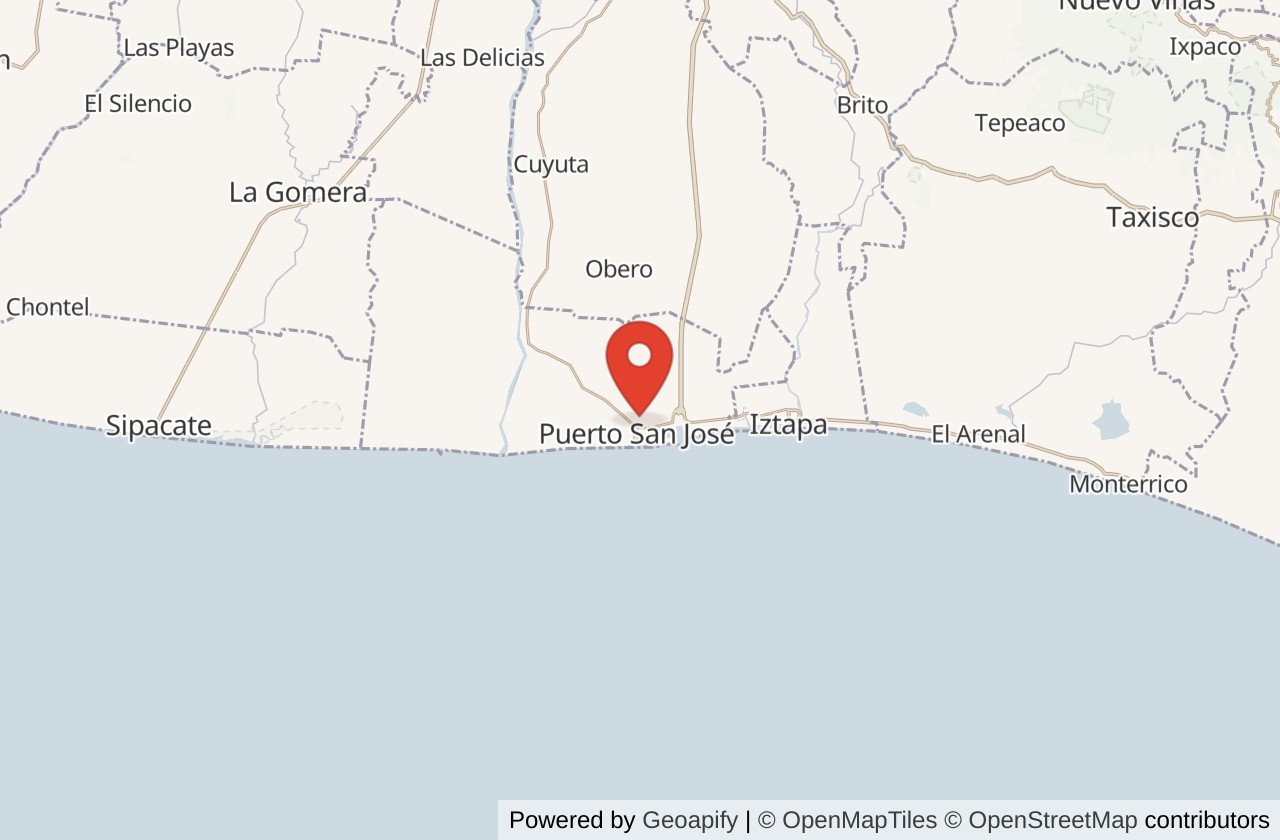
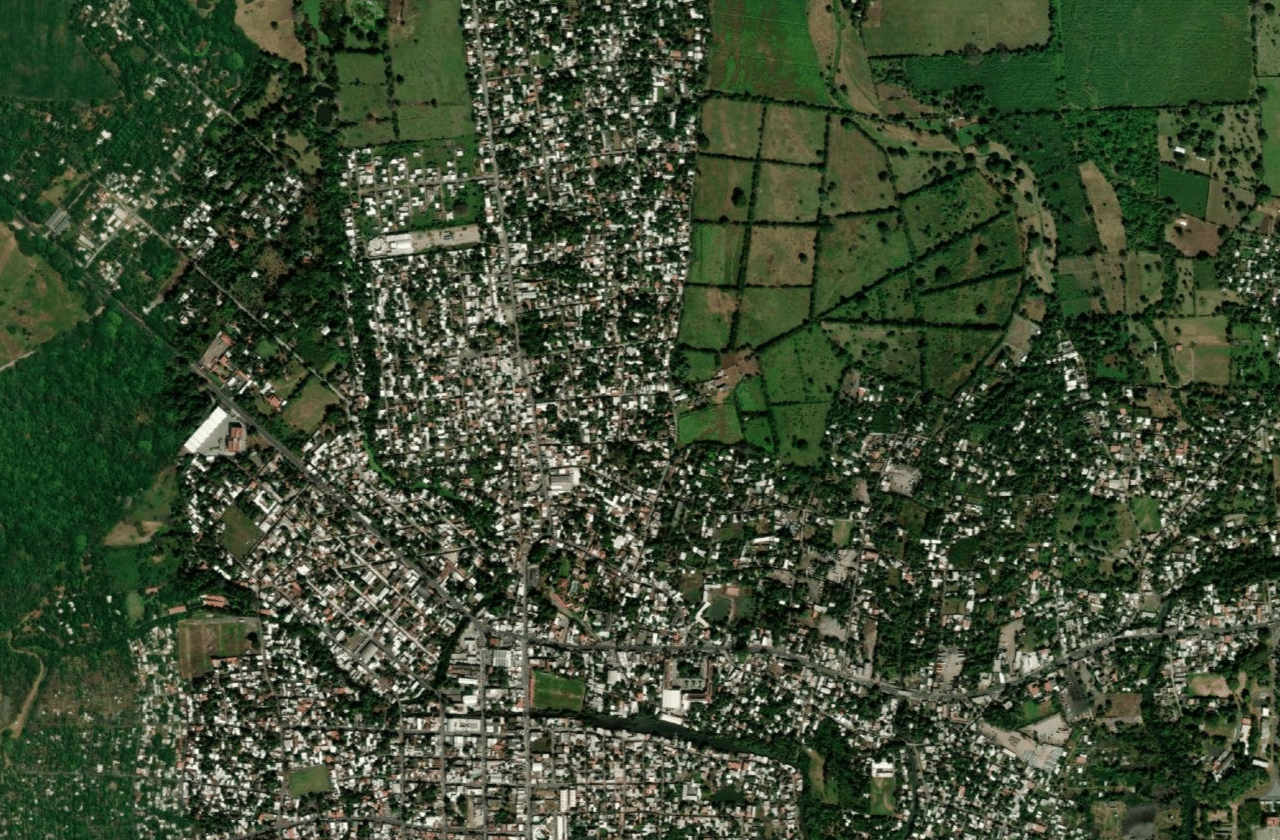
13.9160, -90.8220
What are the lineup and the town like at Puerto San Jose?
Localism
mellow
Crowd
Thin and easygoing on weekday mornings — you may share the banks with only a handful of surfers. Weekends and Guatemalan holidays bring a big day-tripper beach crowd (and music and families) far more than a lineup crowd, though the better banks pick up more surfers then. Dawn is quietest and usually cleanest before the onshore wind.
As Guatemala City's home break, the San José lineup is mostly local capital-city surfers and weekenders, and is known for being fairly relaxed midweek when it's quiet. Standard beach-break courtesy goes a long way: say hello, don't drop in, share the peaks, and don't paddle straight onto the best bank and start hassling. Visitors who show respect and basic Spanish are welcomed.
In the lineup: It's a shifting-sandbar beach break, so the peaks move — watch where it's breaking before you paddle out, and use the rips for the paddle out but never to fight back to shore. Both rights and lefts come through; it can get hollow and fast on a solid south swell. Booties aren't needed (sand bottom), but the shorebreak has real punch on bigger days. At the Iztapa rivermouth, sit between the jetties and treat the current with respect.
Puerto San José is a working port town first and a beach resort second: cargo cranes at Puerto Quetzal, a gritty downtown, and a long beachfront of family balnearios, seafood shacks and weekend-house enclaves. The Canal de Chiquimulilla separates the beach strip from the mainland. It feels busy and Guatemalan rather than touristy or surfy — energetic and a bit rough around the edges in the port core, calmer and gated in the Likín/Chulamar communities. Use normal city-level street sense, especially around the port and after dark, and keep valuables out of sight; the gated communities and lodges are the secure, mellow end of the spectrum.
How do you get to Puerto San Jose?
Fly into La Aurora International Airport, Guatemala City (GUA) — about 67 miles from the break, 1.5–2 hours. There is a small airfield at Puerto San José (GSJ / San José), but it has no scheduled commercial service useful to travelers — GUA is effectively the only gateway. GUA is also the gateway for El Paredón and Antigua, so it's easy to combine.
- rental car$35–60/day · 1.5–2 hours self-drive
Pick up at GUA. The route is straightforward: south on the CA-9 (Autopista al Pacífico, a toll road) through Escuintla, then on toward Puerto San José / Puerto Quetzal — mostly good paved highway, about 107 km. A car is the most flexible option for chasing sandbars between San José, Chulamar and Iztapa. Avoid arriving into the port area after dark on your first run.
- private transfer$80–130 per vehicle · 1.5–2 hours
The easiest option with board bags. Many hotels and every fishing lodge (Casa Vieja, Pacific Fins, etc.) arrange airport pickups; tourist transfer operators in Guatemala City and Antigua also run the route. Confirm a vehicle that fits boards and agree the price before you set off.
- shuttle$15–30 per person · 2–2.5 hours
Tourist shuttle operators serve the Pacific coast (more frequently to El Paredón than to San José itself); for San José you may need to ask for a drop near Escuintla and continue by taxi. Board bags ride on the roof or in the back — confirm space when booking.
- bus$3–8 per person · 2.5–3.5 hours
Frequent chicken buses and minivans run Guatemala City–Escuintla–Puerto San José, typically changing at Escuintla's busy terminal. Cheap and local, but cramped and not board-bag friendly — only realistic with a small travel board, and watch your gear.
Do you need a car at Puerto San Jose?
Do you need a car?
recommended
Walkability
Within a given beach community — the public beachfront in San José, or a gated enclave like Likín or Chulamar — you can walk to the sand and to nearby comedores in a few minutes. But the surfable banks, Iztapa's rivermouth and the better-stocked shops are spread along the coast and across the Canal de Chiquimulilla, so getting between them on foot isn't practical.
A rental car (roughly $35–60/day out of GUA) is the comfortable way to do this coast — it lets you move between San José, Chulamar and the Iztapa rivermouth chasing whichever sandbar is working. Without a car you'll rely on local taxis, tuk-tuks and pickups for short hops, plus chicken buses and minivans for the longer Escuintla connections; there's no real rideshare network on the coast. Many visitors here arrive as part of a pre-booked fishing or weekend-house trip with transport laid on, so the independent surf-traveler logistics are less developed than at dedicated surf towns.
Boards: Bring soft racks and tie-downs — most rental cars on this coast are sedans or small SUVs without roof rails, and you'll want to strap boards yourself. Taxis and tuk-tuks will take a board if you ask, but for a full quiver charter a pickup or use your hotel/lodge transfer. Reaching the Iztapa rivermouth break involves a short lancha (small boat) across the river, so pack a board you don't mind handing into a panga.
Where can you stay near Puerto San Jose?
On the coast near Puerto San José / Iztapa — a short drive to the beach banks · The best-known sportfishing lodge on the coast, family-run with a top-tier sailfish fleet, pool, full bar and air-conditioned rooms. Surf is not its focus, but it's a comfortable, secure base if your trip mixes a few days of world-class billfishing with surf on the side. Books out in peak fishing season. (Direct (casaviejalodge.com))
Beachfront at Chulamar — steps to the sand · The largest all-inclusive on the Chulamar beaches: pools, multiple restaurants and direct beach access, a long-time go-to for capital-city families. Reviews note dated, 1980s-era facilities, so set expectations — but it's a practical, full-service beachfront base for a surf-and-pool trip. (Booking.com, direct)
Beachfront — steps to the sand · Oceanfront huts (some with open-air bathrooms), several restaurants, pools and beach activities. A mid-range option with a relaxed beach-resort feel, popular with weekenders down from the city. (Booking.com, direct)
Short walk to the beach · Clean, straightforward hotel with pools and hammocks, walking distance to the beach and reliable Wi-Fi. A no-frills, decent-value pick if you just want a comfortable room near the sand. (Booking.com)
Short drive/walk to the beach · Well-reviewed budget efficiency apartments good for groups, with optional home-style meals — the closest thing to backpacker-friendly value in San José itself. Self-catering setup pairs well with the town supermarkets. (Booking.com)
- Chulamar / Likín vacation rentals (e.g. Casa 33 Condominio Alta Mar)vacation rental · $ mid-rangeStays nearby
Within the gated beach communities — short walk to the sand · Much of the beachfront here is private weekend houses and condos in gated enclaves (Likín, Juan Gaviota, Chulamar); a number list on Airbnb and Booking.com, some with private pools. Good for groups who want a kitchen and a quiet, secure base — just confirm beach access and gate entry when you book. (Airbnb, Booking.com)
Near Iztapa, across the canal — short drive to the breaks · A second established fishing lodge in the Iztapa area, with a marina, pool and full-board packages built around the sailfish fleet. Like Casa Vieja, it's a fishing-first operation rather than a surf base, but secure and comfortable if billfishing is part of the plan. (Direct (pacificfins.com.gt))
Where do you eat at Puerto San Jose?
- Beachfront comedores & balnearios (Puerto San José public beach)soda · $ budget
Fresh-fried fish (mojarra) or camarones with tortillas and a cold Gallo — The main beachfront is lined with simple family-run comedores and beach clubs serving whole fried fish, ceviche and shrimp. Cheap, local and the right call for a post-surf lunch — pick a busy one, confirm the price, and pay cash in quetzales.
- Hotel Soleil Pacífico restaurantsrestaurant · $ mid-range
Buffet seafood and grilled plates — If you're not staying there, the Chulamar resort's restaurants are a reliable sit-down option on the beach for a fuller meal — useful when the beach shacks are quiet midweek.
- Iztapa rivermouth seafood comedoresrestaurant · $ mid-range
Whole grilled snapper, ceviche, sailfish-town seafood — The fishing town of Iztapa, ~30 minutes east, has a cluster of seafood spots by the river and the fleet — fresher and more characterful than anything in San José, and a natural stop if you're surfing the rivermouth.
- Casa Vieja Lodge dining roomrestaurant · $$ high-end
Chef-prepared seafood and international plates — Open mainly to lodge guests; if you're staying, the kitchen is a notable cut above the beachfront standard. Worth knowing the better food here lives inside the lodges, not the public beach strip.
- Escuintla town restaurants & street foodstreet food · $ budget
Tacos, churrascos, fruit and licuados — Escuintla, the regional hub ~40 minutes inland on the drive down, has the widest range of cheap eats, bakeries and groceries on the route. Stock up on the way through if you're self-catering at a beach house.
Cooking for yourself
- Supermarkets & tiendas, Puerto San José townsupermarket
The town has basic supermarkets and plenty of small tiendas for water, beer, snacks and staples — fine for stocking a beach-house kitchen for a few days, though selection is limited compared with the city.
- Escuintla supermarkets (La Torre / Despensa Familiar)supermarket
For a proper shop — fresh produce, meat, imported goods — the larger chain supermarkets are in Escuintla, ~40 minutes inland on the way down from GUA. Do your big grocery run here before you reach the coast.
- Iztapa fish market & landingsfish market
The fishing town of Iztapa is the place for fresh-off-the-boat seafood — snapper, shrimp, dorado — straight from the Pacific fleet. Bring a cooler if you're cooking at a rental.
Where do you rent or fix a board?
- No dedicated surf shop in Puerto San José — bring your own gearboard rental · lessons · informal/none in town; ~Q150–200 (~$20–25)/day for rentals at El Paredón surf schools
There is no retail surf shop in Puerto San José itself, and board rental in town is informal at best — don't count on it. Come fully self-sufficient: bring your boards, leashes, spare fins, a ding kit and especially wax. The nearest real surf-services hub is El Paredón, about an hour west by road, where surf hostels and schools (Paredón Surf House, Driftwood Surfer, Mellow Surf Hostel and others) rent boards by the day (~Q150–200) and run lessons (~Q200/hour). If you want coaching or to hire a board, plan to base part of the trip there.
What do you do when it's flat?
- Pacific sailfishing (Casa Vieja, Pacific Fins & other charters)water · $$ — roughly $1,200–2,000+/day per boat
The marquee draw of this coast: the offshore canyon here is widely called the sailfish capital of the world, with boats releasing double-digit numbers of Pacific sailfish on good days, plus marlin, dorado, tuna and wahoo. Peak billfish months run roughly November–July. Book through Casa Vieja, Pacific Fins or another established Iztapa/San José lodge.
- Surf the Iztapa rivermouthwater · lancha crossing a few quetzales
A 30-minute drive east, the Iztapa rivermouth between the jetties offers fast, hollow rights and lefts over a sandy bottom — more advanced and barrelling than the beach banks, best at medium-to-high tide. You take a short lancha across the river to reach the sand; rips here are serious.
- Chulamar / Likín beach daynature · free–$ (some balneario entry fees)
The wider, cleaner stretches of black sand west of the port are the area's nicest swimming and lounging beaches, with family beach clubs. A good flat-day or rest-day option — just respect the same strong rips that make this a powerful surf coast.
- Auto Safari Chapínnature · $ — modest entry fee
A drive-through safari park on the road between Escuintla and the coast, with lions, rhinos and African and native animals — a genuinely popular family day-trip and an easy detour on the way down from the city or on a flat day.
- Monterrico sea-turtle coastnature · $ — tours and entry vary
Further east along the coast, Monterrico is known for its turtle hatchery, mangrove boat tours through the Chiquimulilla canal and a laid-back beach scene. A worthwhile overnight or long day-trip if you want a different, mellower stretch of the Pacific.
- Day-trip to Antiguaculture · free to wander; transport varies
Colonial Antigua — cobblestones, volcanoes, cafés and ruins — is roughly 1.5–2 hours up from the coast and the obvious culture counterweight to a beach-and-boats trip. Many travelers bookend a Pacific surf or fishing trip with a couple of nights there.
What should you know before you go?
Cash & ATMs
Puerto San José town has bank branches and ATMs (Banrural, Banco Industrial and others) and is the most reliable place on this stretch to withdraw cash — the beachfront comedores, balnearios and tuk-tuks are cash-only in quetzales. Carry small bills; don't rely on cards at the beach. Escuintla, on the way down, has fuller banking if you need it.
Medical
There are clinics and pharmacies in Puerto San José town, but the nearest full hospital is in Escuintla (~40 minutes inland), and for anything serious you're heading to Guatemala City (1.5–2 hours), which has the country's best private hospitals. Pack a proper first-aid kit, and given the strong rips, don't surf alone on big days.
Water safety
This is a heavy, fast-breaking black-sand beach break, and the water deserves real respect. The whole Guatemalan Pacific is known for powerful surf and strong rip currents — the same coast that's flagged as dangerous for swimmers at Monterrico and El Paredón — and Puerto San José is no exception. Expect punchy, dumping shorebreak that gets genuinely heavy on a solid south swell, steep beach gradient and sudden drop-offs close to shore, and persistent rips running along and off the banks. Those rips are the main hazard: use them to help paddle out, but never try to swim or paddle straight back against one — if caught, go with it and angle across to where the waves are breaking. The busy public balneario beach in town may have informal lifeguards on weekends and holidays, but the surf banks, the gated-community beaches and the Iztapa rivermouth are effectively unpatrolled, so treat every session as self-rescue and don't surf alone on bigger days. The bottom is sand, so there's no reef or urchin risk and booties aren't needed, but the shorebreak can still slam you into a hard sandbar — protect your head on close-outs. At the Iztapa rivermouth the current between the jetties is strong and the tidal flow adds to it; surf it at medium-to-high tide and stay clear of the channel on the outgoing tide. Water quality is generally fine for surfing, though it can be murky and carry sediment and debris near the port and after rain, when river and canal outflow is heaviest — avoid surfing the rivermouth straight after a big downpour. Water is bath-warm year-round, so boardshorts and a rash vest are all you need.
Guatemala basics: money, entry, phones, water
Currency
Guatemalan quetzal (GTQ) — ~7.7–7.8 GTQ per USD (mid-2026)
Entry (US passport)
Up to 90 days — Visa-exempt. The 90 days is a CA-4 regional allowance, not a per-country one (see entryFees/onwardTicket notes). Passport must be valid on entry with one blank page; an electronic immigration form must be completed online before you arrive and before you leave. An extension of up to 90 more days (180-day annual cap) can be requested from immigration (Guatemala City) before the 90 days expire; overstays incur a fine of ~15 GTQ (~US$2) per day.
Language
Spanish, Mayan languages (K'iche', Q'eqchi', Kaqchikel and ~20 others — mostly in the highlands, not the surf coast). Lower than Costa Rica. English is decent in Antigua, Lake Atitlán, and at surf camps/hostels in El Paredón that cater to travelers, but thin everywhere else. A little Spanish goes a long way at comedores, markets, and on chicken-bus / shuttle logistics — learn numbers and directions.
Plugs
A, B · 120V / 60Hz (same as US/Canada — no adapter needed for North American gear; bring a surge protector, as rural power can be unstable)
Tipping
No mandatory service charge like Costa Rica's. A 10% tip at restaurants is standard and appreciated (check it isn't already on the bill as 'propina/servicio' before adding). Round up for tuk-tuks and taxis; tip surf instructors/guides ~Q40–80 ($5–10) per session and shuttle/boat drivers a little in cash. At a comedor (the cheap local eatery) nothing extra is expected.
Phone / data
Tigo, Claro, eSIM (Airalo, Holafly, Roafly, etc.). Tigo and Claro both cover the Pacific surf coast and main towns fine for maps and messaging; Tigo edges Claro in the rural highlands. El Paredón and the Sipacate/Iztapa stretch get usable 4G in town but signal thins on the back roads and around the mangrove channels — download offline maps before driving the coast. Surf-camp Wi-Fi is common but often slow; don't rely on it for work without a backup SIM.
Tap water
Do NOT drink the tap water anywhere in Guatemala, including cities. Stick to bottled or filtered 'agua pura' (cheap and everywhere), use it for brushing teeth in rural areas, skip ice from unknown sources, and be cautious with raw/unpeeled produce. Many hostels and surf camps have a refill garrafón to cut plastic.
Emergency
PROATUR / ASISTUR tourist assistance is the number to save: 1500 (or +502 2290-2810; WhatsApp +502 5188-1819) — staffed for tourists, often English-speaking, and the fastest route to help. General police 110 or 120; ambulance/fire 122 or 123.
Other passports: entry rules differ — check the official source before booking.
Alert me when Puerto San Jose is on
It's quiet right now. Drop your email and you'll get one message when our forecast shows a trip-worthy window here: the dates, the size, and a place to stay. Free.
Frequently asked questions about Puerto San Jose
Can you surf at Puerto San José, Guatemala?
Yes — Puerto San José is a consistent black-sand beach break that throws fast, hollow rights and lefts and is Guatemala City's nearest surf, about 90 minutes south. It picks up plenty of south-southwest swell and is best on weekday mornings before the onshore wind. It's an intermediate-level wave with strong rips.
How far is Puerto San José from Guatemala City?
About 107 km (67 miles), or 1.5–2 hours by car south on the CA-9 (Autopista al Pacífico) through Escuintla. There's no useful commercial airport on the coast, so you fly into Guatemala City (GUA) and drive down.
Is there a surf shop or board rental in Puerto San José?
No — there's no dedicated surf shop in Puerto San José and board rental in town is informal and unreliable. Bring your own boards, wax, leashes and a ding kit. The nearest real surf-school and rental scene is at El Paredón, about an hour west, where boards rent for around Q150–200/day.
Is Puerto San José or El Paredón better for surfing?
Both are quality black-sand beach breaks on Guatemala's Pacific. Puerto San José is closer to Guatemala City and quicker to reach, but has thin surf-traveler infrastructure; El Paredón (about an hour west) has the developed surf-hostel, school and board-rental scene most traveling surfers prefer. Many do San José as a quick session and base the real surf trip at El Paredón.
When is the best time to surf Puerto San José?
The south-swell season runs roughly March–October, with the cleanest waves often around April and the bigger, more powerful days through May–September. Surf in the morning before the onshore sea breeze fills in. The water is warm year-round — boardshorts and a rash vest.
Is Puerto San José safe for tourists?
It's a working port town, so use normal city-level caution — keep valuables hidden, avoid the port area and quiet streets after dark, and don't leave gear unattended on the beach. The gated beach communities (Likín, Chulamar, Juan Gaviota) and the fishing lodges are the secure, mellow end; the downtown and port are grittier.
What else is there to do around Puerto San José besides surf?
The coast is world-famous for Pacific sailfishing out of Puerto San José and neighbouring Iztapa, with charter lodges like Casa Vieja and Pacific Fins. On flat days there's the Auto Safari Chapín drive-through park, the calmer Chulamar/Likín beaches, the turtle coast at Monterrico to the east, and colonial Antigua about 1.5–2 hours away.
Sources for this guide
- surf-forecast.comsecondary source · Puerto San José wave type (beach break, lefts/rights), SSW swell, NNW offshore wind, all-tide, strong rips, intermediate level, season
- surfline.comsecondary source · Puerto San José break confirmation, exposure and conditions cross-check
- deepswell.comsecondary source · Iztapa rivermouth break (jetties, lancha crossing, medium-high tide, strong rips), 30 min from San José
- airmilescalculator.comsecondary source · GUA–Puerto San José distance (~67 mi / 107 km) and drive-time basis
- casaviejalodge.comofficial · Casa Vieja Lodge existence, sailfish fleet, amenities, location near Puerto San José/Iztapa
- tripadvisor.comsecondary source · Lodging options and review levels (Soleil Pacífico, Nautilus, Eden Pacific, Hostal Casa Chica, fishing lodges)
- booking.comsecondary source · Beachfront hotels and Chulamar/Likín rentals (Hotel Soleil Pacífico, Hotel Chulamar, Casa 33 Condominio Alta Mar) live listings
- paredonsurf.comofficial · Nearest real surf-school/board-rental hub (El Paredón) for the surfShops thin-data section
- thedriftwoodsurfer.netofficial · El Paredón board-rental and lesson price bands (~Q150–200/day, ~Q200/hr)
- en.wikipedia.orgeditorial · Town character: port history, Puerto Quetzal, Canal de Chiquimulilla, weekend-getaway role, beach length
- anywhere.comeditorial · CA-9 route via Escuintla, ~90 min drive, weekenders-from-the-capital framing
- fishingbooker.comsecondary source · Sailfish-capital context, peak billfish months, charter cost bands, Iztapa hub
Guide researched and verified 2026-06-12. Details change; confirm bookings and entry requirements before travel.