When is the best time to surf Guibia?
Peak Jun–Sep · often good May, Oct · can still fire Nov–Apr.
Guibia faces south, so it runs on a different clock from the DR's famous north coast: summer is the season. From roughly May through October, south and southeast groundswell and Caribbean windswell send the most rideable days to the Malecón, and hurricane season (August–October) can deliver the biggest, cleanest pulses of the year — short, punchy windows worth rearranging a morning for (though give the water a day after heavy rain). Winter through spring the reef is quieter, but strong trades and the odd wraparound swell still light it up now and then — a wave you keep checking, because the checking pays. Water is bath-warm year-round (~28°C); a rashguard for sun is all you'll want.
What does a surf trip to Guibia look like?
A typical trip from our guide. A real alert comes with the forecast for each day and a fare from your airport.
How much does a surf trip to Guibia cost?
A five-night trip, per person, before food and rentals.
Rows marked "Google typical" are Google Flights' usual range for June, across all booking lead times, so a last-minute fare often lands above it. Checked Oct 24. Stays use our guide's nightly bands; transfers use the guide's quoted rates. Real alerts price the exact dates.
Where should you stay at Guibia?
Closest to the wave
Mosquito Boutique Hotel $
boutique · mid-range · Zona Colonial — ~15–20 min walk to the Malecón
A small, well-reviewed boutique hotel in the Colonial Zone offering a mid-band alternative to the marquee luxury houses, walkable to both the historic core and down to Guibia.
Stays nearbyCheaper
Island Life Backpackers Hostel $
hostel · budget · Zona Colonial — ~15–20 min walk / few-min ride to the Malecón at Guibia
The backpacker pick: dorms and privates in a restored centuries-old building with a garden, small pool, rooftop and a sociable bar — easy to meet people and store a board. Central to the Colonial Zone, an easy walk or short ride to the wave.
Stays nearbyPoints play: Sheraton Santo Domingo (Marriott), about 25–40k points a night, walk/2 min.
Browse all stays near the breakEvery place we researched, with its booking link, is under where to stay below.
What is the wave like at Guibia?
Break type
Reef
Wave direction
Both
Best swell
SSE (SE–S window)
Ideal size
3–8 ft
Best tide
All tides
Works at every stage
Consistency
Inconsistent
Peak season
Jun–Sep
Nearest airport
SDQ · ~20 mi
Drive from airport
35–50 minutes
It's tailor-made for the surfer who finds themselves in Santo Domingo anyway — on business, on a layover, en route to Punta Cana, or building a trip around the Colonial Zone — and wants to get wet without renting a car and driving for a day. The reef faces south, so it wakes on south or southeast swell; on the right tide with an offshore north-northwest breeze it serves a fun, rippable peak, and summer's south-swell season plus hurricane-season pulses supply the windows. It's a timing wave — flat spells are real — but the surfers who score it are the ones who know when to walk down to the Malecón, and when it's on you'll share it with a small, sharp local crew.
The honest caveat is the water. Guibia sits at the mouth of a heavily urbanized coastline, and the beach has a long-documented history of trash, runoff and sewage carried along the Malecón — after heavy rain, plastic and debris washing down from the Ozama River and city drains can foul the lineup completely. Locals surf it regularly and shrug it off, but it is not the turquoise Caribbean of the brochures. Treat Guibia as a useful, central, free city wave with real downsides, and base yourself in the walkable Gazcue / Zona Colonial corridor a few blocks back, where the food, history and nightlife are the actual reason to be here.
Who it suits
Intermediate-plus surfers already in Santo Domingo who want a quick, car-free session — business travelers, layover surfers, or city-break visitors — plus anyone who enjoys scoring a city wave when a summer south lights it up. For a dedicated wave-hunting trip, pair it with the north coast (Cabarete/Encuentro).
Where exactly is Guibia?
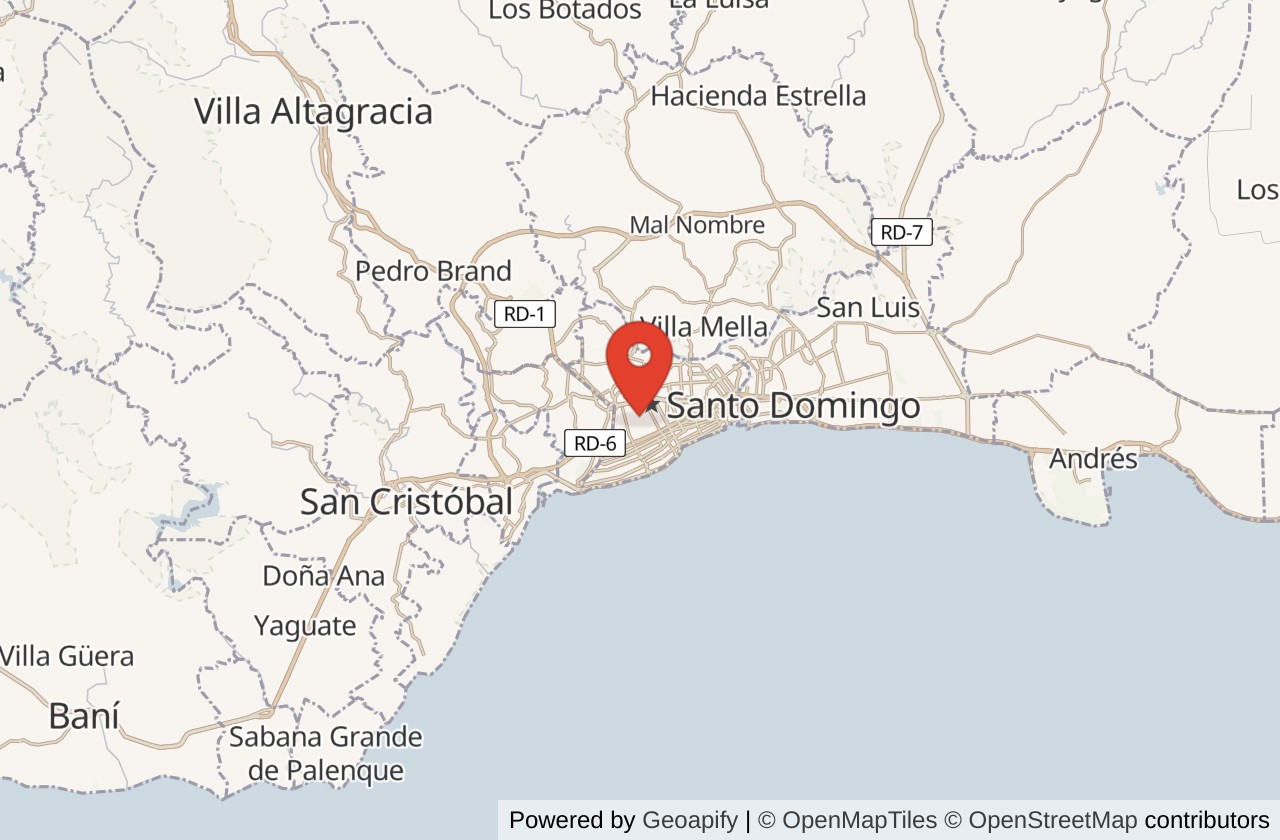
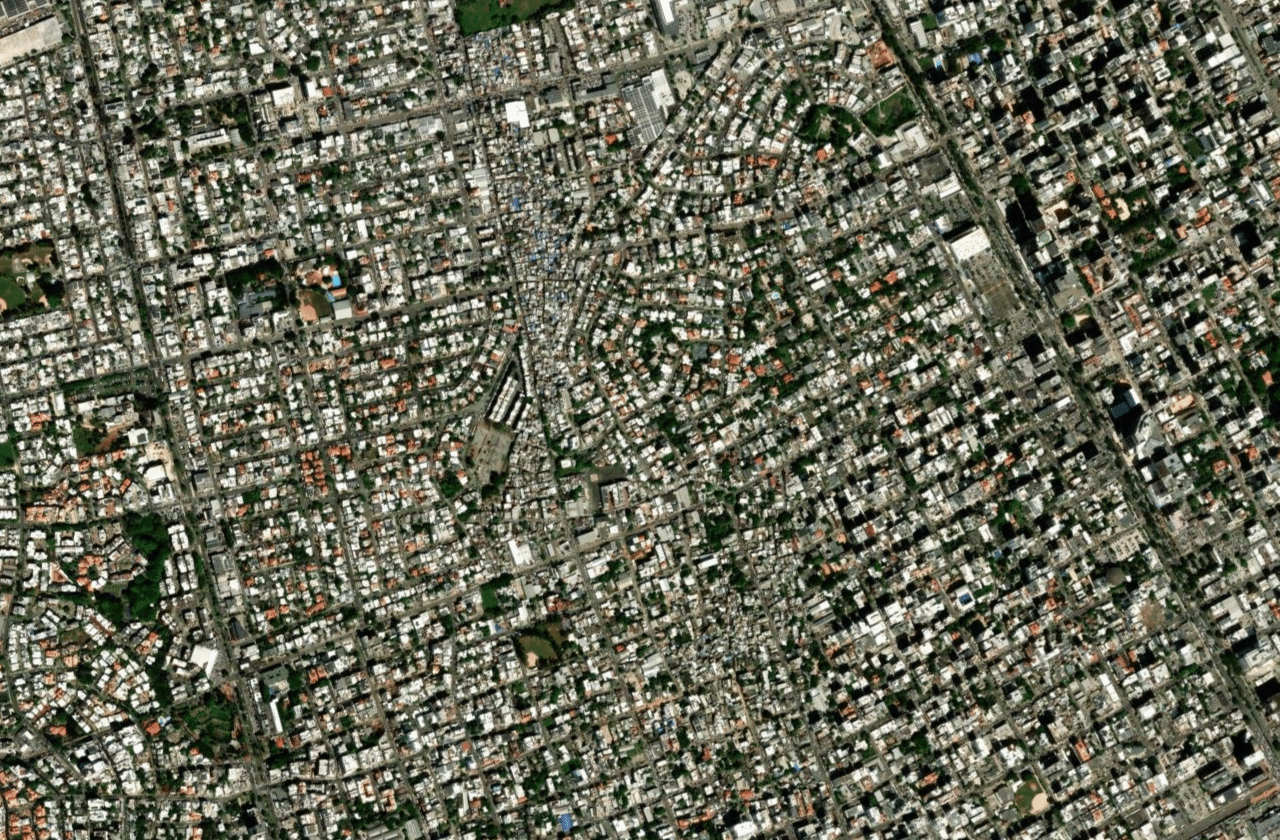
18.4203, -70.0114
What are the lineup and the town like at Guibia?
Localism
moderate
Crowd
Mostly local city surfers and bodyboarders, plus the wider beach-plaza crowd of families, joggers and gym-users on the Malecón. The water thins out fast outside the few hours it's actually working; dawn and the window before the sea breeze fills in are the cleanest, least busy.
Guibia is a small, regular local lineup that's known for a tight crew of Santo Domingo surfers who ride it whenever it breaks. As at any city wave with limited good days, the expectation is to read the order, not drop in, and not paddle straight to the prime peak and start hassling — show up friendly, wait your turn, and you'll be fine. A little Spanish and a relaxed attitude go a long way.
In the lineup: It's an exposed reef peak off the Malecón that breaks both ways — needs a south/southeast swell and an offshore north-northwest wind to be worth it, and it's tide-sensitive. Watch your entry and exit over the reef, and pay attention to water quality, especially after rain. When it's flat or blown out (most days), don't force it.
This is the surf wave of a capital city, not a beach town. Behind Guibia is Gazcue — a leafy older residential district of early-20th-century homes — and a short walk away is the Zona Colonial, the 500-year-old historic core with cobblestone streets, plazas, cathedrals, restaurants and nightlife. Santo Domingo is loud, busy, historic and full of life; you get city energy, world-class colonial sightseeing and real Dominican food and music, with the trade-off being traffic, grit and an urban, far-from-pristine beachfront. The wave is the bonus, not the headline.
How do you get to Guibia?
Fly into Aeropuerto Internacional Las Américas (José Francisco Peña Gómez), Santo Domingo (SDQ) — about 20 miles from the break, 35–50 minutes. Aeropuerto Internacional La Isabela (JBQ, Higüero) sits northeast of the city and takes mostly regional/domestic flights — closer to ~40 minutes but far fewer international connections. For a dedicated DR surf trip you'd more likely fly into Puerto Plata (POP) for the north-coast breaks, but that's a different region entirely (~4 hours by road from Santo Domingo).
- taxiUS$30–45 per vehicle · 35–50 minutes
Official airport taxis queue outside arrivals at SDQ with fixed-ish zone rates into the city; agree the fare before getting in. The Malecón/Gazcue is a straightforward run west on Las Américas highway. Sedans handle a board bag with fins out; confirm trunk size or ask for a wagon for boards over 7'0".
- rideshareUS$15–28 to the Malecón/Zona Colonial · 35–50 minutes
Uber operates in Santo Domingo and is usually cheaper than the airport taxi rank; you may need to walk out to the designated rideshare pickup area. Request a larger vehicle (Uber Comfort/XL) for board bags, as standard cars are compact.
- private transferUS$35–60 per vehicle · 35–50 minutes
Pre-booked transfers (through your hotel or apps like DR-based operators) take the hassle out of the taxi queue and can guarantee a vehicle that fits boards. Worth it arriving late or with a full quiver.
- rental carUS$35–60/day · 35–50 minutes self-drive
All majors rent at SDQ. You don't need a car to surf Guibia (it's central and walkable from Gazcue), but a rental opens up the nearby Boca Chica/Playa Caribe breaks east of town and the rest of the south coast. Santo Domingo traffic is heavy and aggressive; parking near the Malecón is street-side and limited.
Do you need a car at Guibia?
Do you need a car?
optional
Walkability
High if you base in Gazcue or the Zona Colonial: Guibia is right on the Malecón at the foot of Gazcue, a flat 10–20 minute walk (or a few minutes' ride) from most central hotels, and the Colonial Zone is walkable end to end. You do not need a car to surf here.
Santo Domingo is a real city, so the rental norms are urban: taxis are everywhere, Uber works well and is cheap (typically a few US dollars across the central districts), and the Malecón is walkable from Gazcue/Zona Colonial. A rental car (US$35–60/day) only earns its keep if you want to chase the south-coast breaks east toward Boca Chica or day-trip out of town; in the center it's more liability than asset given traffic and parking. There's also a metro and the cheap shared 'carros públicos' and 'guaguas,' though those aren't board-friendly.
Boards: From a Gazcue/Colonial base you can carry a board to Guibia on foot or in an Uber — request a larger vehicle for anything over a shortboard, as most cars here are compact. There are no surf-rack rentals in the city; if you're driving to outer breaks, bring soft racks and tie-downs. Hotels with secure storage are worth asking about so you're not lugging a bag around the Colonial Zone.
Where can you stay near Guibia?
Zona Colonial — ~15–20 min walk / few-min ride to the Malecón at Guibia · The backpacker pick: dorms and privates in a restored centuries-old building with a garden, small pool, rooftop and a sociable bar — easy to meet people and store a board. Central to the Colonial Zone, an easy walk or short ride to the wave. (Booking.com, Hostelworld, direct (islandlifehostel.com))
On/near the Malecón — short walk to Guibia · Budget-friendly hotel right in the Malecón corridor with free breakfast, pools and an airport-shuttle option — about as close to the break as you can sleep without paying boutique rates. (Booking.com, Trip.com)
Gazcue — ~10–15 min walk to Guibia · Simple, well-located guesthouse in the leafy Gazcue residential district directly behind the Malecón — among the closest budget beds to the wave, in a quiet neighborhood walkable to the beach and the Colonial Zone. (Booking.com)
Zona Colonial — ~1 min drive / 15–20 min walk to the Malecón · A collection of restored 16th-century houses turned into intimate luxury suites in the heart of the Colonial Zone, with courtyards and rooftop pools. The style splurge for a city-break-plus-surf trip; you'll walk or grab a quick ride to Guibia. (Booking.com, Hotels.com, direct)
Zona Colonial — ~1 mi to the Malecón at Guibia · A 16th-century convent reborn as a polished boutique hotel with a rooftop pool, spa and the Castil restaurant — the top-end Colonial Zone option. Roughly a mile from the break; a short ride or a pleasant walk. (Booking.com, direct (billinihotel.com))
On the Malecón — short walk to Guibia · A reliable mid-range business-class hotel on Avenida George Washington with sea views, a pool and a casino — the easy 'just need a solid bed near the wave' pick on the Malecón itself. (Booking.com, direct)
Zona Colonial — ~15–20 min walk to the Malecón · A small, well-reviewed boutique hotel in the Colonial Zone offering a mid-band alternative to the marquee luxury houses, walkable to both the historic core and down to Guibia. (Booking.com)
Where do you eat at Guibia?
- Adrian Tropical (Malecón)restaurant · $ mid-range
Mofongo (garlicky mashed green plantain) and sancocho — The classic Malecón institution at Av. George Washington 1, basically next to Guibia and open 24 hours — a cruise-ship-styled, family-friendly spot for big Dominican plates and ocean views. Service can lag when it's slammed, but it's the obvious post-surf feed right at the break.
- Malecón food kiosks (Guibia plaza)street food · $ budget
Fried snacks, fresh fruit, cold Presidente — The Guibia beach plaza itself has kiosks and carts selling drinks, snacks and quick bites — the cheapest, most convenient pre/post-session fuel, steps from where you park your board.
- Pat'e Palo Brasserierestaurant · $$ high-end
Steaks and seafood on Plaza España — Long-running European-style brasserie on the historic Plaza España in the Colonial Zone — claims to sit on the site of the Americas' first tavern. The splurge dinner when you want atmosphere; a 15–20 minute walk from the break.
- Buche Pericorestaurant · $ mid-range
Modern Dominican comfort food — A popular, lively Colonial Zone spot doing contemporary takes on Dominican classics in a colorful setting — a solid mid-range sit-down dinner within the walkable core.
- Barra Payáncafe · $ budget
Sandwiches, batidas (fruit shakes) and Dominican coffee — A Santo Domingo institution famous for cheap, fast sandwiches and fruit shakes at nearly any hour — the dependable budget refuel a short ride from Gazcue.
- Lulú Tasting Barbar · $ mid-range
Cocktails and small plates in a colonial courtyard — A well-regarded Colonial Zone tasting bar with a buzzy courtyard — the move for a post-surf drink and tapas-style bites without committing to a full dinner.
Cooking for yourself
- Supermercados Nacional (Gazcue / 27 de Febrero area)supermarket
Full-size national supermarket chain with branches across central Santo Domingo — everything for self-catering: produce, dairy, water, snacks, sunscreen. The reliable big shop within a short ride of Gazcue.
- Supermercados Bravosupermarket
Another large supermarket chain with central locations — comparable stock to Nacional and easy to reach from the Malecón/Gazcue corridor for a full grocery run.
- Colmados (neighborhood corner stores)minimart
Gazcue and the Colonial Zone are dotted with colmados — the ubiquitous Dominican corner shops good for water, cold beer, ice, basic snacks and a quick top-up without going to a full supermarket.
Where do you rent or fix a board?
- No dedicated surf shop in Santo Domingoboard rental · lessons · from ~US$20/day where available regionally
There is no established retail surf shop or board-rental counter at Guibia or in central Santo Domingo — the country's surf infrastructure is concentrated on the north coast (Cabarete/Encuentro), where operators like The Search DR run lessons, rentals and tours at Playa Encuentro, about a four-hour drive away. Come fully self-sufficient for a Guibia session: bring your own board, leash, fins, wax and a ding kit. If you need to rent or take a lesson, plan it around a north-coast leg of your trip, not Santo Domingo.
What do you do when it's flat?
- Zona Colonial (Ciudad Colonial) walking tourculture · free to explore; guided tours ~US$20–40
The oldest European-founded city in the Americas and a UNESCO World Heritage site — the Catedral Primada, Calle Las Damas, Parque Colón and Plaza España, all walkable. The single best reason to base near Guibia on flat days.
- Alcázar de Colónculture · ~US$5 entry
The early-1500s palace of Diego Colón (son of Columbus), now a museum of colonial-era furnishings and art on Plaza España in the Colonial Zone. A quick, worthwhile stop on a Zona Colonial wander.
- Los Tres Ojosnature · ~US$2–3 entry
Three open-air limestone caverns with turquoise freshwater lakes in a city park about 5 miles east of the Colonial Zone — an easy half-day nature break, reachable by a short taxi/Uber.
- Malecón sunset strollnature · free
The seafront boulevard along Guibia comes alive in the evenings — joggers, music, food carts and locals out on the wall watching the sun drop over the Caribbean. The everyday rhythm of the city, right at the break.
- Boca Chica / Playa Caribe day tripday trip · transport ~US$25–45 round trip by taxi
East of town near the airport, Boca Chica's calm reef-protected lagoon is the classic swimmable beach getaway; nearby Playa Caribe is a weekend body/board-surf beach for Santo Domingo locals. A good flat-day or alternative-wave option ~40 minutes away.
- Mercado Modelo & city nightlifenightlife · free to browse; drinks $
The Colonial Zone's bars, the Mercado Modelo craft market and the city's merengue/bachata nightlife make Santo Domingo a genuine night-out town — a real perk of surfing a capital-city wave.
What should you know before you go?
Cash & ATMs
No issue here — you're in a capital city. ATMs (cajeros) from Banco Popular, BanReservas, Scotiabank and others are abundant along the Malecón, in Gazcue and throughout the Colonial Zone. Card payment is widely accepted at hotels and restaurants; carry some Dominican pesos in cash for kiosks, colmados and taxis.
Medical
Excellent for a surf spot: Santo Domingo has full hospitals minutes away, including Hospital General de la Plaza de la Salud and numerous private clinics and 24-hour pharmacies (farmacias) across the central districts. Anything from a reef cut to a serious injury is handled in-city without the long evacuation drives typical of remote breaks.
Water safety
The headline risk at Guibia is water quality, not the surf. The beach has a long, well-documented history of trash, urban runoff and sewage along the Malecón, and after heavy rain plastic and debris carried from the Ozama River and city drains can foul the lineup — avoid surfing for a day or two after big rains, rinse thoroughly, and skip it entirely with any open cuts or recent ear/sinus issues. The wave itself breaks over an exposed urban reef, so mind the bottom on entry and exit and watch for current when there's swell. Lifeguard coverage is geared to the swimming beach during daytime hours, not surfers; outside those hours you're on your own.
Dominican Republic basics: money, entry, phones, water
Currency
Dominican peso (DOP) — ~58–63 DOP per USD (mid-2026)
Entry (US passport)
Up to 30 days (tourist card) — No visa for tourism. The US$10 tourist-card fee is bundled into your airfare. You MUST complete the free government E-Ticket (eticket.migracion.gob.do) online before BOTH your arrival and departure flights — it generates a QR code checked at the airport. 30 days is the default; extensions are paid via the Migration Department, and an overstay fee is collected at departure on a sliding scale.
Language
Spanish, English (resorts and main tourist zones only). Spanish is essential outside the all-inclusive resorts. Staff at Punta Cana / Cabarete / Las Terrenas tourism businesses and surf camps usually speak workable English, but local colmados, comedores, drivers, and rural north-coast surf villages run on Spanish. A few phrases go a long way; Cabarete and Las Terrenas also have large European expat communities so French/German/Italian turn up too.
Plugs
A, B · 120V / 60Hz (same as US/Canada — no adapter needed for North American gear; bring a surge strip, as power flickers and brownouts are common outside resorts)
Tipping
Restaurants legally add a 10% service charge (propina legal) PLUS 18% ITBIS tax — your bill shows subtotal + 10% + 18%, so the total runs ~28% over menu prices. The 10% goes to staff, so an extra 5–10% in cash is for genuinely good service, not obligatory. Tip hotel housekeeping/bellhops, motoconcho/taxi drivers (round up), and surf instructors/boat captains ~US$5–10 in cash. Resort all-inclusive staff appreciate small USD bills.
Phone / data
Claro, Altice (Orange), eSIM (Airalo, Holafly, Saily, etc. — usually riding Claro/Altice). Claro has the broadest, most consistent national footprint and is the safe surf-trip pick; Altice is strong in cities and resort zones. The north-coast surf belt (Cabarete, Encuentro, Sosúa) and Las Terrenas/Samaná are well covered, but signal thins on rural roads, mountain stretches, and quieter beaches. Most accommodations have Wi-Fi (sometimes flaky during power cuts). Download offline maps before driving the north coast or Samaná.
Tap water
Do not drink the tap water. Tap water in many areas is not considered safe for visitors — stick to bottled or filtered water (cheap and sold everywhere as botellones/garrafones), and ask for drinks 'sin hielo' (no ice) at smaller establishments where ice may be made from tap water. Reputable resorts and restaurants in tourist zones generally use purified ice and water.
Emergency
911 works nationwide for police, ambulance, and fire (coverage can be patchy in some remote areas near the Haitian border). Tourist-area operators often have English speakers.
Other passports: entry rules differ — check the official source before booking.
Alert me when Guibia is on
It's quiet right now. Drop your email and you'll get one message when our forecast shows a trip-worthy window here: the dates, the size, and a place to stay. Free.
Frequently asked questions about Guibia
Can you surf in Santo Domingo?
Yes — Guibia is a reef break right on Santo Domingo's Malecón (Avenida George Washington) that throws a left and a right. It's an inconsistent, urban city wave that needs a south/southeast swell and offshore wind to work, not a destination break — but it's the most convenient surf in the capital.
Is Guibia beach clean enough to surf?
Water quality is the main concern. Guibia has a documented history of trash, runoff and sewage along the Malecón, and after heavy rain debris from the Ozama River and city drains can foul the water. Locals surf it regularly, but avoid it for a day or two after big rains and don't surf with open cuts.
When does Guibia work best?
Guibia faces south, so it needs south or southeast swell with an offshore north-northwest wind, and it's tide-sensitive. Local forecast data points to the late-autumn/winter window (around November) for the best odds, though the south coast can also fire on summer southeast groundswell. Even then, clean surfable days are only about 22% of the time.
Is there a surf shop or board rental in Santo Domingo?
No — there's no established surf shop or rental counter at Guibia or in central Santo Domingo. The country's surf infrastructure is on the north coast (Cabarete/Encuentro), about four hours away. Bring your own board, leash, fins and wax if you want to surf Guibia.
How far is Guibia from Las Américas airport (SDQ)?
Roughly 20 road miles, about a 35–50 minute drive west into the city along the Las Américas highway. A taxi runs about US$30–45 and Uber is usually cheaper; you don't need a car since Guibia is walkable from central Gazcue and the Zona Colonial.
Should I plan a surf trip around Guibia?
No — Guibia is a convenient city wave, not a destination. If you're going to the Dominican Republic specifically to surf, base on the north coast around Cabarete and Playa Encuentro, which are far more consistent. Surf Guibia only if you're already in Santo Domingo.
Where should I stay to surf Guibia?
Base in Gazcue or the Zona Colonial, a short walk or ride from the Malecón. Options run from Island Life Backpackers Hostel and Malecón budget hotels up to boutique stays like Casas del XVI and the Billini in the historic Colonial Zone — all of which put you near both the wave and the city's main attractions.
Is it safe to surf and stay near the Santo Domingo Malecón?
The central Gazcue/Colonial Zone area is well-trafficked and walkable, with hospitals, ATMs and pharmacies close by. Use normal big-city sense — watch your belongings on the beach, stick to busy areas at night, and use Uber or known taxis after dark. The biggest surf-specific risk is water quality, not crime in the water.
Sources for this guide
- surf-forecast.comsecondary source · Break type (reef, L and R), south/SE swell, NNW offshore wind, tide sensitivity, ~22% clean-day stat, inconsistency rating, pollution-as-haz
- stormrider.surfeditorial · South-coast vs north-coast consistency, Guibia as a Santo Domingo reef break, seasonal swell context
- forevervacation.comsecondary source · Guibia urban-beach setting on the Malecón/George Washington Ave, plaza amenities, trash/cleanliness caveats
- colonialzone-dr.comeditorial · Water-quality history (sewage/runoff, 2018 Ozama River plastic event), plaza facilities (gym, volleyball, kiosks)
- rome2rio.comsecondary source · SDQ-to-Santo-Domingo distance (~32 km), drive time, taxi/rideshare/transfer options and cost bands
- tripadvisor.comsecondary source · Adrian Tropical live listing on the Malecón (Av. George Washington 1), 24h, mofongo/sancocho, mixed service reviews
- islandlifehostel.comofficial · Island Life Backpackers Hostel verification (restored heritage building, garden/pool/rooftop bar, Colonial Zone)
- billinihotel.comofficial · Billini Hotel boutique verification (16th-century convent, rooftop pool, spa, Castil restaurant, ~1 mi to Malecón)
- hotels.comsecondary source · Casas del XVI boutique verification (restored 16th-century houses, Colonial Zone, ~1 min from Malecón)
- thesearchdr.comofficial · Confirming DR surf-lesson/rental infrastructure is north-coast (Playa Encuentro), not Santo Domingo — basis for 'no surf shop here'
- godominicanrepublic.comofficial · Boca Chica/Playa Caribe nearby weekend body/board-surf beach east of the city for the day-trip activity
- en.wikipedia.orgsecondary source · Hospital General de la Plaza de la Salud existence/location for the medical section
Guide researched and verified 2026-06-12. Details change; confirm bookings and entry requirements before travel.