When is the best time to surf Witch's Rock (Roca Bruja)?
Peak May–Sep · often good Oct–Apr.
The biggest, most powerful surf runs in the wet season (roughly May–November) when long-period south and southwest groundswells light up the sandbars; mornings offer the cleanest windows before afternoon onshores and rain build. The dry season (December–April) brings smaller but consistent swell and, crucially, the Papagayo offshore trades that groom the peaks nearly every morning — plus reliable sunny weather and calmer boat rides. Water is warm year-round, so it's boardshorts and a rash guard whenever you go.
What does a surf trip to Witch's Rock (Roca Bruja) look like?
A typical trip from our guide. A real alert comes with the forecast for each day and a fare from your airport.
A real alert we sent · Sep 1
We matched a surfer flying from Orlando (MCO) to this window: Sep 9–12, 4 good days with faces up to 7 ft, peaking 9/10. 5 nights, flights from $994 round trip.
This is a prior real trip from our match log, not a forecast. Windows and fares change; your alert carries the current ones.
How much does a surf trip to Witch's Rock (Roca Bruja) cost?
A five-night trip, per person, before food and rentals.
Rows marked "based on … alerts" are the middle half of the real round-trip fares we quoted in alerts on that route, priced 3 to 10 days before departure, since June 2026. Checked Oct 17. Stays use our guide's nightly bands; transfers use the guide's quoted rates. Real alerts price the exact dates.
Where should you stay at Witch's Rock (Roca Bruja)?
Closest to the wave
Witch's Rock Surf Camp $
surf camp · mid-range · Tamarindo beachfront — their Witch's Rock boat day runs via a ~1h van to Playa Panama, then ~1h by boat
The namesake camp and the obvious surf base in Tamarindo: beachfront rooms, on-site surf shop, board rental, lessons, and their own Witch's Rock / Ollie's Point boat day (5:30am van to Playa Panama, then a 6-seat power cat — bundled with their advanced week packages), so you book wave and bed in one place. Founded 2001 and a long-running fixture of the Tamarindo scene.
Stays nearbySurf camp or guided package
8-Day Beginner to Advanced Surf Camp in Playa Avellanas
Dream Surf House (Dreamsea) · for intermediate+ · from $700 · 8 days · rated 4.8
All-inclusive surf camp — stay, boards & coaching bundled.
View packageCheaper
Santa Rosa / Playa Naranjo park campground (camping inside the park) $
camping · budget · On the beach at Playa Naranjo — the only on-site option
The only way to actually sleep at Witch's Rock: a basic ACG-run campground at Playa Naranjo with toilets, cold showers, and charcoal grills but NO drinking water — you haul in everything. Reached only by serious 4x4 overland (mangrove ford included) with an advance SINAC/ACG reservation, or arranged via a specialist overland operator. For self-sufficient, experienced adventurers only.
Points play: Secrets Papagayo (Inclusive Collection) (Hyatt), about 25–33k points a night, ~20 min to Coco boats from the break.
Browse all stays near the breakEvery place we researched, with its booking link and the surf packages, is under where to stay below.
What is the wave like at Witch's Rock (Roca Bruja)?
Break type
Beach
Wave direction
Both
Best swell
SW (S–W window)
Ideal size
3–8 ft
Best tide
Mid to mid-high
Low: walls up, shallow, dumpy closeouts
Consistency
Consistent
Peak season
Jun–Sep
Nearest airport
LIR · ~17 mi
Drive from airport
30–40 minutes to Playas del Coco; ~1.5 hours to Tamarindo
The catch is that you cannot just drive to the parking lot and paddle out. Witch's Rock sits inside a national park with no town, no shop, no lifeguard, and effectively no road that a normal rental can handle. Almost everyone arrives by boat on a guided day trip — roughly 45 minutes north from Playas del Coco or about 1.5 hours from Tamarindo — that includes the park reservation, entry fee, captain, and usually Ollie's Point a few miles up the coast on the same charter. The only alternative is a brutal 4x4 overland crossing through the park with a mangrove river ford, day-permit, and a hot hike across the sand to the break. Either way you are a visitor in a protected reserve, and the logistics are the trip.
Because nobody actually stays at Witch's Rock, you base yourself in a real town and treat the wave as an excursion. Playas del Coco (the closest and easiest launch, ~17 miles and 30 minutes from Liberia airport) and Tamarindo (a busier, more developed surf town about 45 miles / 1.5 hours from LIR) are the two hubs where all the lodging, food, ATMs, surf shops, and boat operators live. Come for the legend, plan around the boat, and you get warm water, offshore-groomed peaks, and one of Central America's genuine surf pilgrimages.
Who it suits
Confident intermediate to advanced surfers comfortable with fast, hollow beach-break peaks and self-rescue with no lifeguard; travelers happy to base in town and treat the wave as a boat-access day trip rather than a walk-out break.
Where exactly is Witch's Rock (Roca Bruja)?
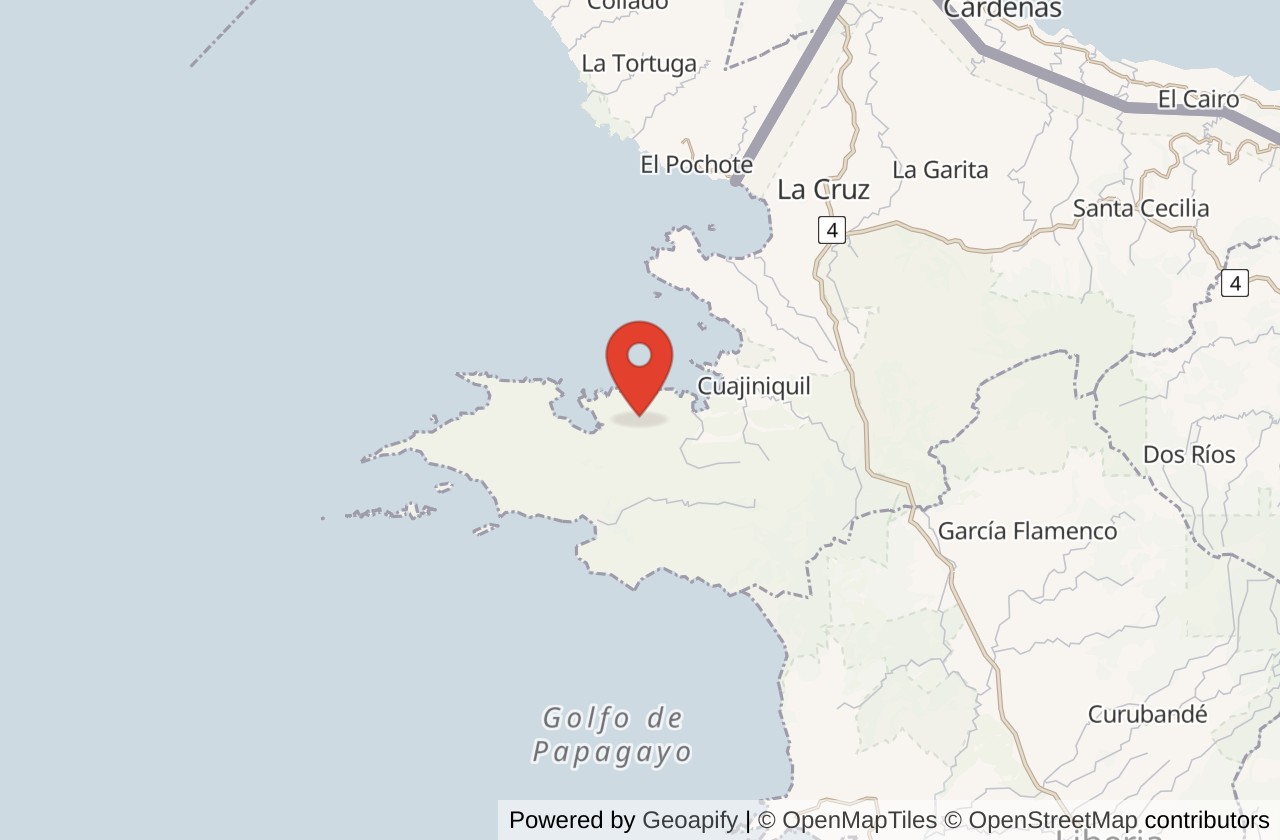
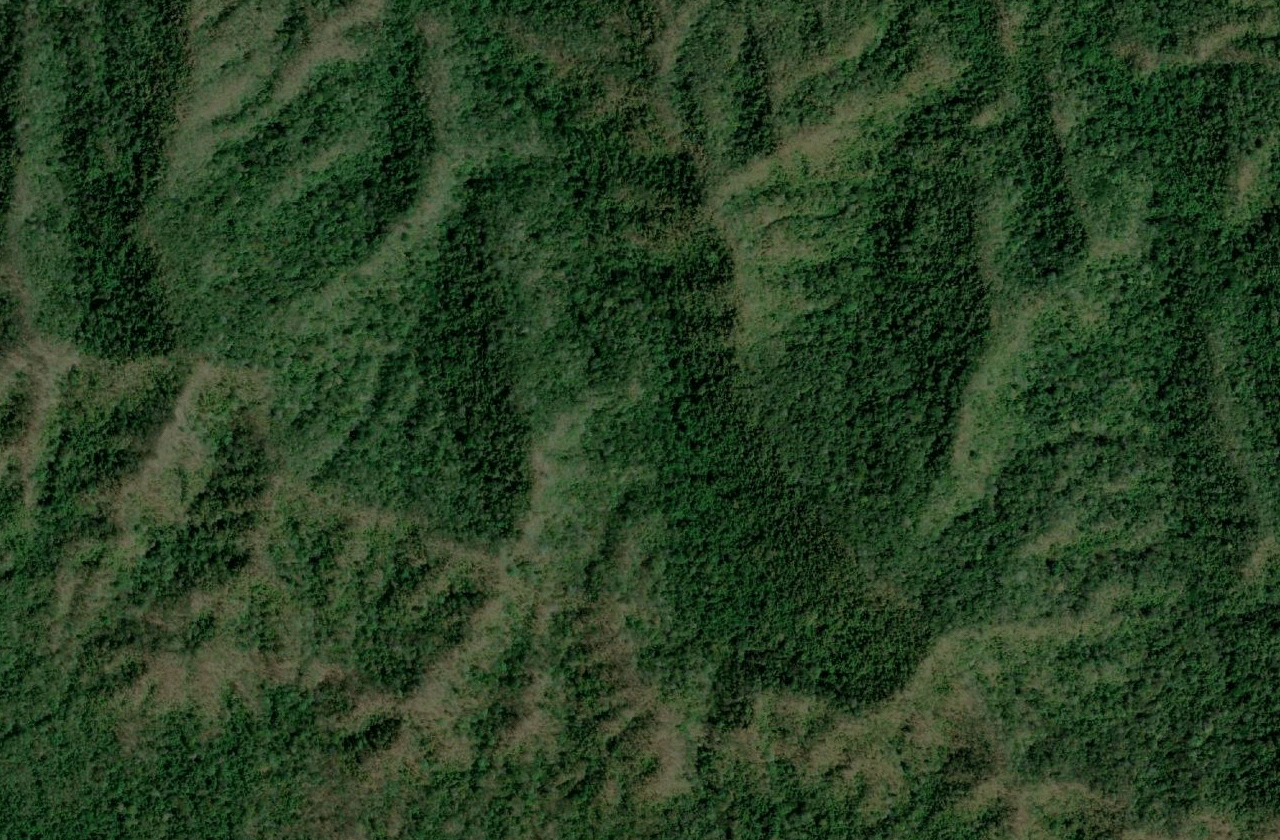
10.7949, -85.6807
What are the lineup and the town like at Witch's Rock (Roca Bruja)?
Localism
mellow
Crowd
Crowds come in waves — literally with the boats. Charter groups arrive early when the wind is offshore, so the dawn-to-mid-morning window is busiest; it thins by midday as boats leave (the park closes early). On a small day with few boats it can feel almost private. Tamarindo's own beach lineup, by contrast, is consistently busy and beginner-heavy.
Because almost everyone arrives by charter boat, the Witch's Rock lineup is known as relatively chilled and respectful rather than a hard local scene — but it's a wide beach break with multiple peaks, so spread out, don't stack onto the busiest boat-group peak, and share the bank. Boats jockey for the best sandbar in the early offshore window; take turns and keep it friendly. There is no resident crew defending the wave the way coastal town breaks have.
In the lineup: It's a sand-bottom A-frame with peaks near the river mouth and down the beach (locals reference spots like 'El Burro'). Mid to high tide is best; low tide gets shallow and dumpy with close-outs. Watch for rips, especially near the river mouth and on bigger days, and be ready to paddle — there's no easy channel and no lifeguard. Surf the peaks away from the estuary mouth where wildlife concentrates.
Witch's Rock has no town at all — it's empty protected beach backed by dry forest, where you're a day visitor. The character of your trip comes from your base: Playas del Coco is a laid-back, slightly gritty fishing-and-dive town with good supermarkets, ATMs, casual sodas, and lively but low-key nightlife, the easiest and closest launch. Tamarindo is busier, more polished and gringo-heavy — a full surf-tourism town with the deepest shops, restaurants, and nightlife, at the cost of a longer boat ride. Pick Coco for logistics and quiet, Tamarindo for scene and surf infrastructure.
How do you get to Witch's Rock (Roca Bruja)?
Fly into Daniel Oduber Quirós International Airport, Liberia (LIR) — about 17 miles from the break, 30–40 minutes to Playas del Coco; ~1.5 hours to Tamarindo. San José (SJO) is Costa Rica's main hub with more international flights, but it's a 4–5 hour drive to Guanacaste — only worth it for a much cheaper fare or a multi-region trip. For surfers, fly into Liberia (LIR).
- rental car$40–80/day plus mandatory local insurance · 30–40 min to Coco, ~1.5 hr to Tamarindo
Easiest way to base yourself and reach the boat ramp. Pick up at LIR; roads to Coco and Tamarindo are paved and straightforward. Note that a rental does NOT get you to Witch's Rock itself — the overland route into Santa Rosa needs a serious 4x4 and park permit. Confirm soft racks or roof rails if you bring your own boards.
- private transfer$55–90 per vehicle to Coco; $90–140 to Tamarindo · 30–40 min to Coco, ~1.5 hr to Tamarindo
Pre-booked door-to-door shuttle, the simplest option with board bags. Most hotels and surf camps arrange one, or book through any Liberia transfer company. Agree on board-bag space and price before you confirm.
- shuttle$15–25 per person (shared) · 40 min–1.5 hr depending on stops
Shared tourist shuttles (e.g. Interbus, Tamarindo Shuttle) run LIR to Coco and Tamarindo. Cheapest door-to-door option but board bags can be a problem on a full van — confirm when booking.
- taxi$55–70 to Coco; $90–120 to Tamarindo · 30–40 min to Coco, ~1.5 hr to Tamarindo
Official red taxis and airport cabs queue at LIR arrivals. Fixed-ish rates by zone; bigger boards need a wagon or van, so flag that to the dispatcher.
Do you need a car at Witch's Rock (Roca Bruja)?
Do you need a car?
optional
Walkability
Both base towns are walkable: in Playas del Coco the main strip, beach, restaurants, supermarket, and dive/surf shops are a flat 5–15 minute walk apart, and Tamarindo's beach, lineup, shops, and restaurants are similarly compact. You don't walk to Witch's Rock at all — it's a boat trip from town, booked through an operator.
You don't need a car if you stay central in Coco or Tamarindo and book the Witch's Rock boat through your camp or a local operator — everything in town is walkable and taxis are cheap and plentiful. A rental car ($40–80/day from LIR) is handy if you want to chase other Guanacaste breaks (Playa Grande, Avellanas, Negra) or shop around base towns, but it's optional. There's no Uber-style coverage to rely on in Coco; Tamarindo has more rideshare and taxi density.
Boards: For the wave itself, boards travel on the charter boat — operators load them on the panga and you surf straight off the back, so no land transport is involved once you're at the ramp. Around town, rental cars take soft racks; Tamarindo's surf shops (Witch's Rock Surf Camp, Kelly's) rent boards and many include them in the boat-trip package, which saves you flying with a quiver.
Where can you stay near Witch's Rock (Roca Bruja)?
Surf camps and guided packages
- 8-Day Beginner to Advanced Surf Camp in Playa Avellanasfor intermediate+ · from $700 · 8 days · rated 4.8 by 5View package
Dream Surf House (Dreamsea) — All-inclusive surf camp — stay, boards & coaching bundled
La Botella de Leche — All-inclusive surf camp — stay, boards & coaching bundled
Tamarindo beachfront — their Witch's Rock boat day runs via a ~1h van to Playa Panama, then ~1h by boat · The namesake camp and the obvious surf base in Tamarindo: beachfront rooms, on-site surf shop, board rental, lessons, and their own Witch's Rock / Ollie's Point boat day (5:30am van to Playa Panama, then a 6-seat power cat — bundled with their advanced week packages), so you book wave and bed in one place. Founded 2001 and a long-running fixture of the Tamarindo scene. (Direct (witchsrocksurfcamp.com), Booking.com)
Packages bundle the stay and the surfing; check each listing for what its transfers include.
Hotels and other places to stay
Tamarindo, ~200m from the beach; Witch's Rock by boat · Well-reviewed, social surf hostel a couple of minutes' walk from Tamarindo beach — dorms and privates, good for solo travelers and budget surfers who'll book a Witch's Rock boat day through a local operator. (Hostelworld, Booking.com)
Tamarindo, short walk to the beach; Witch's Rock by boat · Long-running, dependable Tamarindo backpacker hostel with a cowhide-themed common area, pool, and kitchen — a solid cheap base with easy access to surf shops and boat operators in town. (Hostelworld, Booking.com)
Playas del Coco, near the beach; Witch's Rock ~45 min boat · Comfortable, well-kept small hotel a short walk from Coco beach with a pool, garden, and on-site restaurant — a tidy mid-range base in the closest launch town, where the boat ride to Witch's Rock is shortest. (Direct (hotelapuertadelsol.com), Booking.com, Tripadvisor)
Playas del Coco, central; Witch's Rock ~45 min boat · Central Coco hotel a couple of blocks from the beach and the boulevard — practical and walkable, near operators that run the Witch's Rock and Ollie's Point boat trips from the closest departure point. (Booking.com, direct)
Playas del Coco; Witch's Rock ~45 min boat · Gated condo community at the north end of Coco with pools and the Pacifico Village shops/AutoMercado on site — the comfortable self-catering pick for groups or families splitting costs, with the easiest grocery run in town. (Airbnb, Vrbo, local property managers)
- Santa Rosa / Playa Naranjo park campground (camping inside the park)camping · $ budget
On the beach at Playa Naranjo — the only on-site option · The only way to actually sleep at Witch's Rock: a basic ACG-run campground at Playa Naranjo with toilets, cold showers, and charcoal grills but NO drinking water — you haul in everything. Reached only by serious 4x4 overland (mangrove ford included) with an advance SINAC/ACG reservation, or arranged via a specialist overland operator. For self-sufficient, experienced adventurers only. (Advance reservation via reservaciones.acguanacaste.ac.cr (ACG))
Where do you eat at Witch's Rock (Roca Bruja)?
- Pangas Beach Club (Tamarindo)restaurant · $$ high-end
Grilled octopus and the Pangas mariscada at the estuary's edge — Open-air seafood spot where the Las Baulas estuary meets the sea, tables in the sand under big trees — Tamarindo's signature splurge dinner after a boat day.
- Dragonfly Bar & Grill (Tamarindo)restaurant · $ mid-range
Sesame-crusted Tamarindo tuna; the curries — A Tamarindo institution since 2005 with consistently strong reviews — reliable, creative cooking and a good post-surf dinner that isn't beachfront-touristy.
- Nogui's (Tamarindo)restaurant · $ mid-range
Fresh fish, ceviche, and the famous coconut cream pie — Long-standing beachfront classic on the Tamarindo circle — casual, fish-forward, and great for a sunset plate right by the lineup.
- Nikkei (formerly Citron, Playas del Coco)restaurant · $$ high-end
Peruvian-Japanese (Nikkei) plates and cocktails — Coco's go-to for a nicer night out — well-reviewed contemporary kitchen in the Pacifico Village area, now a Peruvian-Japanese (Nikkei) concept; good when you want a step up from the strip.
- Father Rooster (Playa Ocotal, near Coco)bar · $ mid-range
Fish tacos and a beer with your feet in the sand — Beachfront family-run bar-restaurant on Playa Ocotal a few minutes from Coco — laid-back, toes-in-the-sand, the classic flat-day lunch.
- Sodas around Coco and Tamarindosoda · $ budget
Casado (rice, beans, plantain, meat or fish) and gallo pinto — Both towns have local sodas serving cheap, filling Tico plates — the budget surfer's mainstay. Ask locals which one's busy; the good ones turn over fast and run a few dollars a plate.
Cooking for yourself
- AutoMercado (Pacifico Village, Playas del Coco)supermarket
Coco's largest and most expat-friendly supermarket, in the Pacifico Village center with a pharmacy and bank alongside. Best stock in town for self-catering — produce, imports, water, snacks, and everything you'd want to pack for a boat day.
- Auto Mercado / Automercado (Tamarindo) and town minimarketssupermarket
Tamarindo has a full supermarket plus several minimarkets and a Maxi Palí-style budget grocery for cheaper staples. Stock water and snacks the night before a boat trip; you get nothing once you leave the dock.
- Pulpería / minisuper (both towns)minimart
Small corner shops in Coco and Tamarindo for water, beer, sunscreen, and last-minute boat-day snacks — handy and everywhere, slightly pricier than the big supermarkets.
Where do you rent or fix a board?
- Witch's Rock Surf Camp Surf Shop (Tamarindo)board rental · board sales · lessons · wax · leashes · fins · apparel · ding repair · $20–30/day, less by the week
Full-service shop attached to the surf camp on Tamarindo beach — a deep rental quiver (shortboards, fishes, funshapes, longboards), apparel, accessories, and lessons. The camp's Witch's Rock / Ollie's Point boat day is bundled with its advanced surf-week packages (separate boat slots open only when the 6-seat roster has room).
- Kelly's Surf Shop (Tamarindo)board rental · lessons · wax · leashes · fins · $15–25/day
Established Tamarindo shop renting boards, SUPs, kayaks, snorkel gear, and bikes, and running surf trips by car, boat, or plane to Witch's Rock and Ollie's Point. Good for combining rentals with the boat day.
- Coco dive/surf shops (Playas del Coco)board rental · lessons · $15–25/day
Coco is more of a dive and boat-tour town than a surf-retail hub, but shops and operators along the strip rent boards and, more importantly, run the short ~45-minute Witch's Rock boat charters. Bring your own go-to board if you're particular; selection here is thinner than Tamarindo's.
What do you do when it's flat?
- Witch's Rock & Ollie's Point boat surf tripwater · $95–200 per person shared, cheapest from Coco/Playa Panama, more from Tamarindo; private charters $600–1,000+ (plus ~$15 park fee)
The main event: a full-day panga charter from Coco or Tamarindo that hits Witch's Rock and the right-hand point at Ollie's, with the park reservation, captain, snacks, and fruit. Operators handle the SINAC ticket. Book a day or two ahead and watch the swell/wind forecast — mornings are best.
- Santa Rosa National Park (history & dry forest)nature · ~$15 adult park entry; camping ~$21/day
Beyond the wave, the park protects Costa Rica's dry tropical forest and La Casona, the historic hacienda of the 1856 Battle of Santa Rosa. The Santa Rosa sector is reachable by car from the highway for hiking and history — a worthwhile flat-day or non-surf detour.
- Snorkeling & diving off Playas del Cocowater · $60–120 for a two-tank dive; less for snorkel tours
Coco is Guanacaste's dive hub, with trips to the Catalinas and Bat Islands (Islas Murciélago, near Santa Rosa) known for rays and bull sharks. A solid flat-day option from your base town.
- Rincón de la Vieja volcano day tripadventure · $60–120 for a guided tour; ~$15 park entry self-drive
Active volcano national park inland from Liberia with hot springs, mud pots, waterfalls, and zip-lines — about an hour's drive and the classic Guanacaste adventure day when the surf goes flat.
- Palo Verde / Tempisque river wildlife boat tournature · $50–90 per person guided
Crocodiles, monkeys, and dense birdlife along the Tempisque river — an easy, kid-friendly nature half-day from either base town.
- Tamarindo nightlife & Playa Grande turtlesnightlife · free–$30
Tamarindo has the busiest bar scene on this coast, and nearby Playa Grande (Las Baulas park) hosts leatherback turtle-nesting tours in season (roughly Oct–Feb). Coco is quieter but has casino-bar nightlife too.
What should you know before you go?
Cash & ATMs
There is no ATM, shop, or cash point anywhere near Witch's Rock — it's inside an undeveloped national park. Get all your cash in your base town: Playas del Coco has bank ATMs (Scotiabank, BAC, Banco Nacional) along the strip and in Pacifico Village, and Tamarindo has multiple bank ATMs in the town center. Carry small US dollars and colones for tips, sodas, and incidentals; boat operators usually take card or dollars but confirm ahead.
Medical
Both base towns have care: Playas del Coco has the public EBAIS clinic plus private clinics (Coco Medical Center, CostaDoc) and pharmacies; Tamarindo has private clinics and pharmacies (Coastal Emergency / EBAIS). The nearest full hospital is in Liberia (Hospital Dr. Enrique Baltodano, public; plus private CIMA-affiliated options), 30–45 minutes from Coco. At Witch's Rock itself you are remote, with no lifeguard and a long boat ride back — surf within your limits and bring a basic first-aid kit on the boat.
Water safety
Witch's Rock is a powerful sand-bottom break with strong rips, particularly near the river mouth and on bigger swells, and no lifeguard — self-rescue is the rule. Crocodiles/caimans inhabit the estuary at the river mouth, so avoid the peaks closest to the river outflow and don't linger in the murky estuary water. Bull sharks are present in the wider Gulf of Papagayo (especially around the Bat Islands), though incidents at the surf break are not a notable issue. Sun and heat are real risks in the dry forest — there's no shade or drinking water on the sand, so bring water, sunscreen, and a rash guard. Water is warm year-round; wet-season river runoff can muddy it after rain.
Costa Rica basics: money, entry, phones, water
Currency
Costa Rican colón (CRC) — ~450–460 CRC per USD (mid-2026)
Entry (US passport)
Up to 180 days — Group One visa-exempt. The 180 days is a maximum, not a guarantee — the immigration officer sets the actual period and it is non-extendable. Onward ticket and proof of funds (~US$100/month of stay) can be requested.
Language
Spanish, English (widely spoken in tourist areas; Limón-province creole on the Caribbean coast). Very good by Latin American standards. In Pacific surf towns (Tamarindo, Nosara, Santa Teresa, Jacó, Pavones) and Caribbean ones (Puerto Viejo) you can get by on English alone; basic Spanish helps at local sodas and rural bus stops.
Plugs
A, B · 120V / 60Hz (same as US/Canada — no adapter needed for North American gear)
Tipping
Restaurants add a 10% service charge ('servicio') by law plus 13% IVA tax, so tipping is not expected — round up or add 5–10% only for standout service. At a soda (the cheap local eatery where you'll eat most casados) nobody expects anything extra. Tip surf guides/instructors ~$5–10 per session and boat captains in cash.
Phone / data
Kolbi (state-owned ICE), Claro, Liberty, eSIM (Airalo, Holafly, Jetpac, etc.). Kolbi has the widest rural footprint and is the safe pick for surf trips. Pacific surf towns are well covered, but expect weak or no signal on the Caribbean side outside Puerto Viejo/Cahuita town centers, around Limón's remoter beaches, and in pockets like the Osa Peninsula and the road to Pavones. Most accommodations have decent Wi-Fi; download offline maps before driving — outages happen in heavy rain.
Tap water
Generally safe to drink in cities and most established tourist/surf towns — among the best tap water in Central America. Be more cautious in remote coastal areas, on the rural Caribbean coast, and after heavy storms or in drought-stressed dry-season Guanacaste; bottled or filtered water is cheap insurance if your stomach is sensitive.
Emergency
911 works nationwide for police, ambulance, and fire (operators in tourist areas often speak English).
Other passports: entry rules differ — check the official source before booking.
Witch's Rock (Roca Bruja) is on through Oct 25
Our forecast shows a trip-worthy window, up to 6 ft, best day 8/10. Drop your email and we'll send you this one and the next: the dates, the size, and where to stay. Free.
Frequently asked questions about Witch's Rock (Roca Bruja)
How do you get to Witch's Rock in Costa Rica?
Almost everyone goes by boat on a guided day trip — about 45 minutes from Playas del Coco or 1.5 hours from Tamarindo — which includes the Santa Rosa National Park reservation and entry fee. The only alternative is a rough 4x4 overland crossing through the park with a river ford and a day permit; a normal rental car can't make it.
Can you drive to Witch's Rock?
Not in a normal car. The overland route goes through Santa Rosa National Park on a very bad road (about 2 hours from the park entrance), requires a high-clearance 4x4, crosses a mangrove river, and ends with a hot hike across the sand to the break. Most surfers skip it and take the boat from Coco or Tamarindo.
How much does a Witch's Rock surf trip cost?
A shared boat day typically runs about $95–200 per person depending on the departure point — cheapest from Playas del Coco or Playa Panama, more from Tamarindo (longer run or a van transfer). Private charters are roughly $600–1,000+, usually including the captain, snacks, and Ollie's Point. The ~$15 national park entry fee may be extra; operators handle the park reservation.
What's the best time of year to surf Witch's Rock?
The wet season (roughly May–November) brings the biggest, most powerful south swells, with clean morning windows before afternoon onshores. The dry season (December–April) has smaller but consistent surf plus near-daily Papagayo offshore winds and sunny, calm conditions — many surfers prefer it for the wind and weather.
Is Witch's Rock good for beginners?
Not really. It's a fast, hollow beach break with strong rips and no lifeguard, best suited to confident intermediate and advanced surfers. Beginners are better off learning in Tamarindo and saving Witch's Rock for when they can handle powerful, shifty peaks.
Are there crocodiles or sharks at Witch's Rock?
Crocodiles and caimans live in the estuary at the river mouth, so avoid the peaks right next to the river outflow and the murky estuary water. Bull sharks are present in the wider Gulf of Papagayo, but shark incidents at the surf break itself are not a notable concern.
Where should I stay to surf Witch's Rock?
Base in Playas del Coco (closest, ~45-minute boat, ~30 minutes from Liberia airport) or Tamarindo (busier surf town, ~1.5-hour boat, more shops and operators). There's no lodging at Witch's Rock itself except a basic park campground reachable only by 4x4.
Do you need a reservation for Santa Rosa National Park?
Yes — Playa Naranjo / Witch's Rock has a capped, reservation-only entry system through the Guanacaste Conservation Area (ACG), with limited daily spaces and early closing hours. On a boat trip your operator handles the reservation and the ~$15 entry fee; overland visitors must book and permit themselves in advance.
Sources for this guide
- mytanfeet.comsecondary source · Boat access times from Coco/Tamarindo, 4x4 overland route and hike, park fees/hours, wave characteristics, tides, crocodile hazard, seasons
- thesurfatlas.comeditorial · Wave type (sand-bottom A-frame), swell/wind/tide, skill level, localism/crowd, caiman hazard, boat vs 4x4 access
- acguanacaste.ac.crofficial · Playa Naranjo official park info: 4x4 road condition, mangrove crossing, day-use cap, hours, Peña Bruja (experts only)
- reservaciones.acguanacaste.ac.crofficial · Santa Rosa / Naranjo sector reservation system and camping fees (foreigner camping ~$21/day; reservation-only entry)
- witchsrocksurfcamp.comofficial · Witch's Rock Surf Camp shop and rentals, lodging, founding (2001), in-house Witch's Rock/Ollie's Point boat trips
- tamarindoactive.comsecondary source · Kelly's Surf Shop boat trip from Tamarindo, per-guest price band, Ollie's Point combination
- mytanfeet.comsecondary source · Playas del Coco services: AutoMercado/Pacifico Village, ATMs, EBAIS and private clinics, dive-town character
- rome2rio.comsecondary source · LIR to Playas del Coco distance (~17 mi) and drive time / transfer cost bands
- booking.comsecondary source · Tamarindo hostels (Casa Pura Vida, La Botella de Leche) live listings and locations
- tripadvisor.comsecondary source · Hotel La Puerta del Sol (Coco) live listing, pool/restaurant, location near beach
- creescapes.comeditorial · Santa Rosa park overview, La Casona / Battle of Santa Rosa history, sectors, hiking access
- witchesrocksurfnfish.comsecondary source · Playas del Coco-based Witch's Rock / Ollie's Point boat charter operator existence and departure point
Guide researched and verified 2026-06-12. Details change; confirm bookings and entry requirements before travel.