When is the best time to surf Salsa Brava?
Peak Dec–Mar · often good Apr, Nov · can still fire Sep–Oct.
Salsa Brava is a winter wave: it fires on North Caribbean groundswell through the dry season, most reliably December through March, with the working window running November into April — December and January bring the biggest, most consistent days. September and October are the sleeper: the Caribbean's glassy mini-season, when tropical energy can wake the reef out of nowhere for a lucky, uncrowded session. May through August is when the reef truly rests, though the Cocles and Playa Negra sand breaks still pick up scrappy windswell for the beach-break crew. Water is warm year-round — boardshorts only.
What does a surf trip to Salsa Brava look like?
A typical trip from our guide. A real alert comes with the forecast for each day and a fare from your airport.
How much does a surf trip to Salsa Brava cost?
A five-night trip, per person, before food and rentals.
Rows marked "based on … alerts" are the middle half of the real round-trip fares we quoted in alerts on that route, priced 3 to 10 days before departure, since June 2026. Rows marked "Google typical" are Google Flights' usual range for September, across all booking lead times, so a last-minute fare often lands above it. Checked Oct 17. Stays use our guide's nightly bands; transfers use the guide's quoted rates. Real alerts price the exact dates.
Where should you stay at Salsa Brava?
Closest to the wave
Hotel Banana Azul $
boutique · mid-range · On Playa Negra, ~10–15 min walk north of the reef
Adults-only beachfront inn on Playa Negra (the black-sand beach just north of town), open since 2007, with a strong guest rating, full breakfast, a beach bar and the Azul Beach Club restaurant. The grown-up, quiet end of Puerto Viejo while still walkable to town and the reef.
Check ratesCheaper
Oasis Beachfront Hostel $
hostel · budget · ~30-second walk — beachfront, right by the reef
Backpacker base literally on the sand by Salsa Brava: dorms, privates, beachfront camping, a shared kitchen, hammocks and wildlife in the garden. You can watch the reef from the property and walk to the peak — the obvious cheap surf stay if you actually want to be on the wave.
Check ratesEvery place we researched, with its booking link, is under where to stay below.
What is the wave like at Salsa Brava?
Break type
Reef
Wave direction
Right
Best swell
ENE (NE–E window)
Ideal size
4–12 ft
Best tide
Mid
Low: very shallow, sucky over coral · High: softer
Consistency
Consistent
Peak season
Dec–Mar
Nearest airport
SJO · ~140 mi
Drive from airport
4–4.5 hours
The other thing to understand is the seasonality. Salsa Brava is a winter wave. It needs the strong trade-driven swell that the Caribbean generates roughly from December through March (the broader window runs November into April, the coast's dry season). Outside that window the reef rests between pulses — which makes the swells that do arrive, including the September–October mini-season's glassy surprises, exactly the days worth moving on the moment a forecast lines up. When it's on, the takeoff zone is a small, fiercely contested peak with a tight crew of locals who have surfed it for decades and earned every wave.
What makes this an easy place to base, even if you never paddle out at the reef, is Puerto Viejo itself. The town is the cultural heart of Costa Rica's Caribbean — reggae and soca on the night air, rice-and-beans cooked in coconut milk, Bribri and Afro-Caribbean heritage, a flat bike-able coast road running south past Cocles, Chiquita and Punta Uva. There's real infrastructure here: hostels and boutiques, dozens of restaurants, surf shops, ATMs, a clinic. Beginners and intermediates surf the sand beach breaks down the road at Cocles and Playa Negra while the experts watch the reef. It's one of the few heavy-wave destinations that doubles as a genuinely fun, easy place to spend a week.
Who it suits
The reef itself is for experienced, confident barrel surfers only — shallow live coral, critical takeoff, real injury risk. Everyone else comes for the town, the Afro-Caribbean culture, and the friendly sand breaks (Cocles, Playa Negra) a few minutes south, with the reef as a spectator sport.
Where exactly is Salsa Brava?
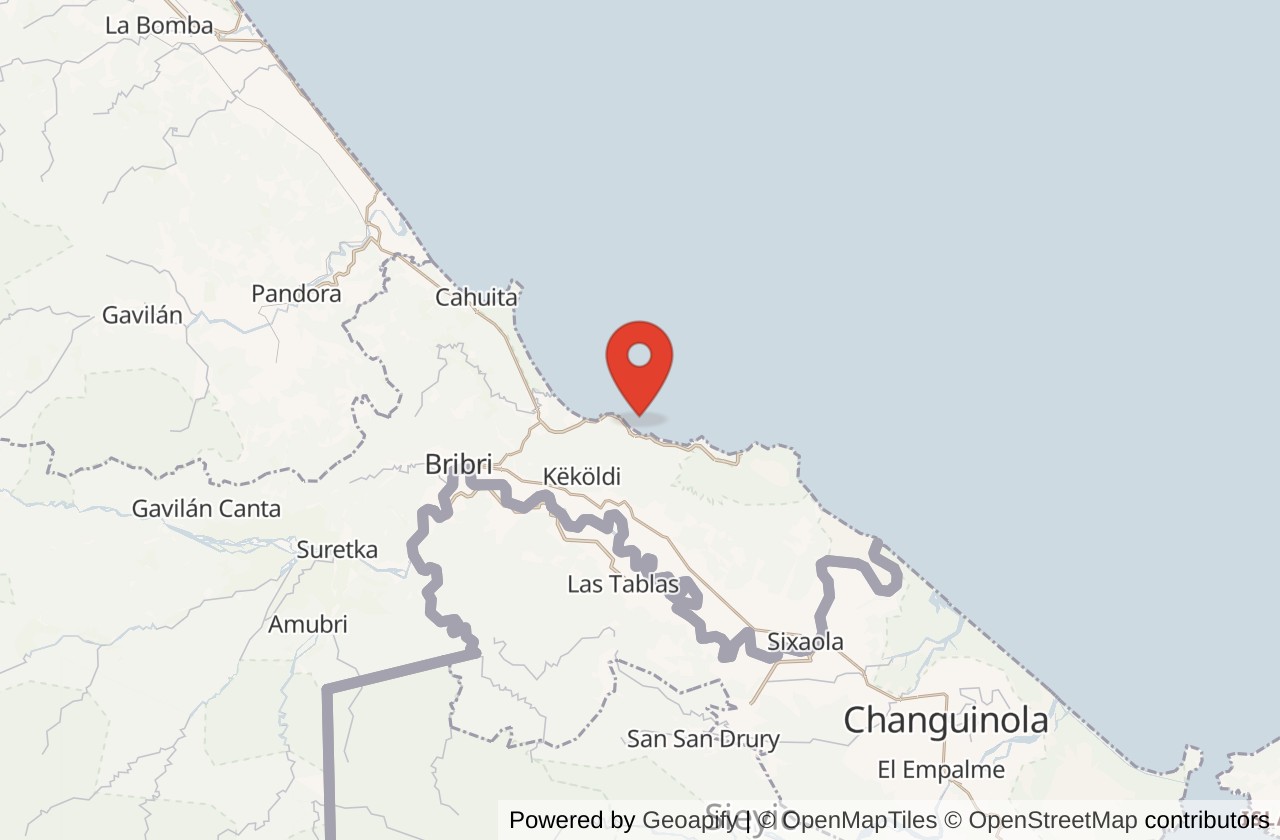
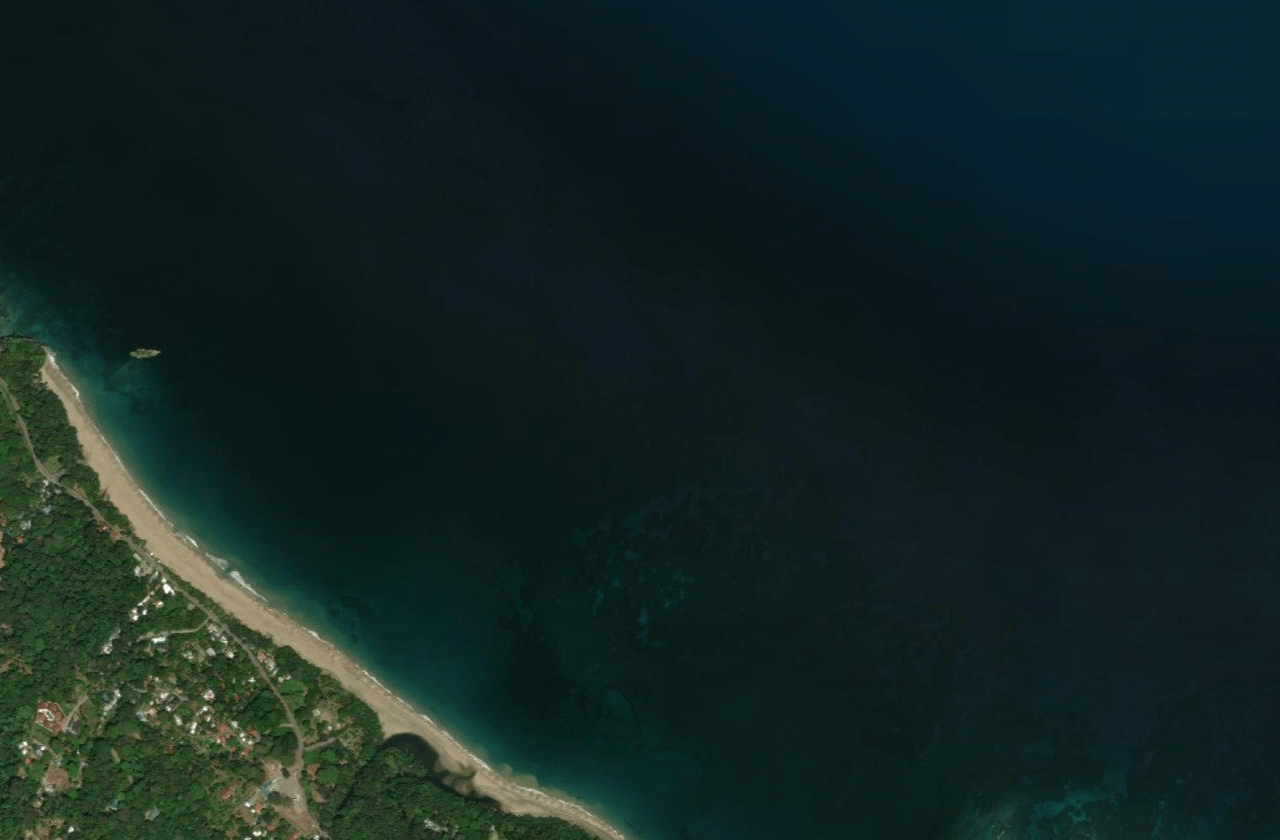
9.6550, -82.7283
What are the lineup and the town like at Salsa Brava?
Localism
heavy
Crowd
On a good winter swell the takeoff zone is contested by a small, expert crew plus a handful of traveling chargers — it's quality over quantity, and it can feel crowded fast because there's one real peak. The sand breaks at Cocles and Playa Negra hold the beginners, intermediates and lesson crowds. Off-season or between swells the reef can be empty because it's simply not breaking.
Salsa Brava is known as a tight, heavily local lineup — a small, dangerous peak that a core crew has surfed for decades, and respect is non-negotiable. The community perception is clear: don't paddle out unless you can genuinely surf a critical, shallow reef barrel; sit on the shoulder and watch first; never drop in; and don't expect waves your first session. Visitors who show humility, wait their turn and acknowledge the locals fare far better than anyone who paddles straight to the peak.
In the lineup: The wave is a fast right (with a shorter left depending on swell direction) breaking over a shallow live-coral shelf right in front of town. The takeoff is the crux: it's critical and there's very little water under you. Reef booties are strongly advised, paddle out and in carefully around the coral, and know your exit before you commit. This is not a wave to learn the reef on — if you're unsure, you don't belong on the peak.
Puerto Viejo de Talamanca is the cultural capital of Costa Rica's Caribbean — Afro-Caribbean and Bribri heritage, Jamaican Patois in the air alongside Spanish, reggae and soca from the bars, and food cooked in coconut milk. It's relaxed, colorful and genuinely fun: a compact town of surf shops, sodas, bars and bike-rental stands fronting the reef, with a flat coast road running south past dreamy beaches. The energy is more island than mainland Costa Rica, the pace slow, the nights lively. Use normal town sense after dark and you'll find one of the most characterful, welcoming bases in the country.
How do you get to Salsa Brava?
Fly into Juan Santamaría International Airport, San José (SJO) — about 140 miles from the break, 4–4.5 hours. Limón (LIO) has a small domestic airstrip about an hour north and Sansa runs occasional flights from San José, which can shave the long drive — but schedules are thin and you'll still need a transfer or rental into Puerto Viejo. For almost everyone, SJO is the practical gateway.
- private transferUS$160–220 per vehicle (1–4 people) · 4–4.5 hours
The easiest option with boards. Door-to-door shuttle vans (e.g. Two Weeks in Costa Rica, Caribe Shuttle) carry board bags on request — confirm when booking, especially for anything over 7'0". Book ahead; agree the price up front.
- shuttleUS$55–70 per person · 4.5–5 hours
Shared tourist shuttles (Caribe Shuttle, Interbus and similar) run San José–Puerto Viejo daily. Cheaper than a private van; board space is limited, so flag boards at booking and expect to pay a surcharge or risk being turned away on a full van.
- busUS$12–19 per person · 4.5–5 hours plus the trip into San José
Autotransportes MEPE runs the public bus from San José's Terminal Atlántico Norte (Gran Terminal del Caribe) direct to Puerto Viejo several times daily. Cheapest by far, but you must first taxi/shuttle from SJO into San José, and board bags on packed buses are a gamble — fine for a single shortboard in a coffin bag, hard for a quiver.
- rental carUS$45–80/day plus mandatory insurance · 4–4.5 hours self-drive
Route 32 over the Braulio Carrillo mountains then Route 36 down the coast through Limón, Cahuita and Hone Creek. The road is paved the whole way but Route 32 gets fog, trucks and landslide closures — don't drive it for the first time after dark. A car is genuinely useful for reaching Cocles, Punta Uva and Cahuita; request a roof rack or bring soft racks.
Do you need a car at Salsa Brava?
Do you need a car?
optional
Walkability
Puerto Viejo town is small and flat — you can walk from most in-town lodging to Salsa Brava (it breaks right off the seafront), the restaurants, bars, ATMs and surf shops in 5–15 minutes. The catch is the coast south of town: Cocles is ~2 km, Chiquita ~4 km, Punta Uva ~7 km, all strung along one flat road that's perfect for a bike but a slog on foot.
Most travelers rent a cruiser bicycle — it's the signature way to get around, US$5–10/day from shops all over town, and the flat coast road to Cocles/Punta Uva is made for it. For the airport run or day trips to Cahuita you can grab a taxi (no Uber reliably here; use licensed red taxis or your hotel's driver) or a shared shuttle. A rental car is optional: handy if you're chasing waves up and down the coast or staying out at Punta Uva, unnecessary if you're based in town and biking.
Boards: Town is compact enough to walk a board to the reef. For the sand breaks down the coast, a bike with a board rack (some rental shops fit them) or a tuk-tuk/taxi works; many local taxis are pickups or wagons that'll take a board bag — ask first. If you're moving a big quiver around, a rental car with soft racks is the only stress-free option.
Where can you stay near Salsa Brava?
~30-second walk — beachfront, right by the reef · Backpacker base literally on the sand by Salsa Brava: dorms, privates, beachfront camping, a shared kitchen, hammocks and wildlife in the garden. You can watch the reef from the property and walk to the peak — the obvious cheap surf stay if you actually want to be on the wave. (Hostelworld, Booking.com)
~5-minute walk to Salsa Brava and into town · Well-reviewed garden hostel a short walk from the reef and the town center, with a shared kitchen and BBQ, free parking and bike rental. Sociable, central, good value — a solid budget pick for surfers who want to be in town. (Hostelworld, Booking.com)
Few minutes' walk to the reef · Long-running budget guesthouse in town with a pool table, BBQ, bar, shared kitchen, rental bikes and a leafy garden. Basic and central, with Salsa Brava only minutes away on foot — a dependable cheap room in the middle of the action. (Booking.com, direct)
On Playa Negra, ~10–15 min walk north of the reef · Adults-only beachfront inn on Playa Negra (the black-sand beach just north of town), open since 2007, with a strong guest rating, full breakfast, a beach bar and the Azul Beach Club restaurant. The grown-up, quiet end of Puerto Viejo while still walkable to town and the reef. (Booking.com, direct (bananaazul.com))
Cocles, ~2–3 km south of the reef (5 min by bike/taxi) · Thatched bungalows set in jungle gardens across the road from Playa Cocles, the patrolled sand beach where most learning and intermediate surfing happens. A comfortable mid-range base if you want the beach breaks and a pool rather than a reef view. (Booking.com, direct (cariblue.com))
Cocles, ~2–3 km south of the reef · The polished four-star option at Playa Cocles — design-forward rooms, pools, spa and the Gigi Beach restaurant across from the sand. For a trip that's half surf, half comfort; you'll bike or drive the few minutes to the reef and watch rather than charge. (Booking.com, direct (lecameleonhotel.com))
Where do you eat at Salsa Brava?
- Soda Lidia's Placesoda · $ budget
Caribbean rice and beans with fish or chicken — No-frills local soda that's served authentic Caribbean home cooking in town for decades. Coconut rice and beans, stewed chicken, fried fish — the cheap, honest, fill-you-up post-surf plate. Cash, generous portions.
- Roly Caribbean Food (Soda Roly)soda · $ budget
Rice and beans, fresh fish; Saturday rondón and pork-knuckle stew — Friendly family-run soda doing all the Caribbean standards — rice and beans, fresh fish — with a weekend special of white-bean-and-pork stew in coconut milk. Reliable, local, easy on the wallet.
- Tamararestaurant · $ mid-range
Rondón, Caribbean ribs, seafood fried rice — Long-popular reggae-flavored spot on the main drag, widely recommended for proper Caribbean plates — the rondón (coconut-milk seafood stew) and Caribbean chicken are the standouts. Sit-down dinner after a session.
- Cocomar Comida Caribeñarestaurant · $ mid-range
Coconut-milk seafood and rice and beans — A locals' favorite for genuine Caribbean cooking — many regulars call it the best version of the local food in town. Unfussy, flavorful, the real deal.
- Selvin's Restaurant (Punta Uva)restaurant · $ mid-range
Rondón, lobster, chicken in sweet Caribbean sauce — Institution down the coast at Punta Uva (~7 km south), worth the bike or taxi for slow-cooked rondón, rice and beans, lobster and shrimp. Limited days/hours — check before you go. A classic Caribbean-coast meal.
- Bread & Chocolatecafe · $ mid-range
Breakfast, house-made chocolate, baked goods — Beloved in-town breakfast and brunch café — big plates, real coffee, house chocolate. The go-to fuel stop before a dawn check of the reef. Cash-friendly, often a wait; open Wed–Sun (closed Mon–Tue).
Cooking for yourself
- Mega Super (Puerto Viejo)supermarket
The main chain supermarket in town — groceries, produce, meat, beer and household basics at decent prices. Enough to self-cater a hostel or rental for the week. A 'tarjeta plata' loyalty card (passport to sign up) unlocks discounts.
- Super Cocles / Super Negro (Cocles)minimart
Larger modern grocers a couple of km south at Playa Cocles — good beer and wine selection and a solid stock if you're staying down the coast rather than in town. Super Negro also has Hone Creek and Cahuita branches.
- Puerto Viejo Farmers & Artisans Marketfarmers market
Saturday morning (roughly 6am–noon) market of organic fruit and veg, fresh bread, juices, cheeses and local chocolate. The best stop for produce and a genuine slice of the town — cash only, get there early.
Where do you rent or fix a board?
- Tico Surf and Skate (Cocles)board rental · lessons · wax · leashes · fins · apparel · ~US$5/hour or US$20/day for boards
Surf and skate shop at Playa Cocles with gear, board and bike rentals, and lessons on the sand beach. The practical stop for renting a beater for the beach breaks, grabbing wax or a leash, and clothing — not the place to rent a board for the reef (don't).
- Caribbean Surf School & Shop (Puerto Viejo)lessons · board rental · wax · leashes · fins · Lessons ~US$50–60/person (less for 2+); rentals ~US$20/day
Well-reviewed in-town surf school running beginner/intermediate lessons at the sand beaches plus rentals and basics. Good for getting a newer surfer into Cocles or Playa Negra safely; staff know the reef and will tell you straight if you've no business out there.
- Surf Meds Caribe (Cocles)lessons · board rental · Rentals/lessons by arrangement
Surf company at Cocles offering lessons, equipment rental and surf/SUP tours for ages 3 and up, beginner to advanced. Another solid local option for the beach breaks and getting kitted out. Bring your own quiver, ding kit and spare fins if you're surfing the reef — coral repairs are a way of life here.
What do you do when it's flat?
- Cahuita National Parknature · Donation (Kelly Creek entrance) / ~US$5–10 ranger entrance
~20 min north: a coastal jungle trail packed with sloths, monkeys, raccoons and birds, fronting Costa Rica's largest coral reef for snorkeling on calm days. The Kelly Creek (Cahuita town) entrance runs on a donation; the easy flat hike is one of the best wildlife walks on the coast.
- Jaguar Rescue Centernature · ~US$30–35 per adult
Wildlife rescue and rehab center just south of town caring for sloths, monkeys, snakes and wild cats, with guided morning and afternoon tours. One of the area's signature non-surf mornings — book a tour slot ahead in high season.
- Bribri chocolate & waterfall tourculture · ~US$60–80 per person (combo tours)
Visit a Bribri Indigenous community for a bean-to-bar cacao experience and a hike to a jungle waterfall swimming hole inland of town. Often sold as a combo with the Jaguar Rescue Center — the best cultural day out in the area.
- Bike the coast: Cocles–Punta Uva–Manzanilloadventure · Bike rental ~US$5–10/day
The classic flat-day move: cruise the coast road south through Playa Cocles, Playa Chiquita and Punta Uva to the Gandoca-Manzanillo reserve, stopping to swim, snorkel and eat. Postcard Caribbean beaches the whole way; bring cash and a lock.
- Punta Uva snorkeling & beach daywater · Free (gear rental extra)
The calmest, most postcard-perfect swimming and snorkeling beach on the coast, ~7 km south. When the reef's flat or you need a rest day, this is where the clear water and palm-fringed sand are.
- Puerto Viejo nightlifenightlife · free–$ (drinks)
The town's reggae-soaked bar scene is part of the draw — beachfront bars, live music and a famous Caribbean party energy, busiest on weekends and in high season. Easy to enjoy on foot; mind your stuff and take a taxi if you're heading out of town after dark.
What should you know before you go?
Cash & ATMs
Puerto Viejo has ATMs in town at the entrance — Banco Nacional and Banco de Costa Rica — typically open roughly 6am–10pm and closed overnight for security. They can run dry or go offline in high season, so carry a cash buffer in colones (and some US dollars). Many sodas, the farmers market and smaller shops are cash-only; cards work at hotels and bigger restaurants.
Medical
There's a private clinic in town next to the bank, and a 24-hour clinic at Hone Creek about 5 km up the road handling emergencies and pharmacy needs. Reef cuts are routine here — clean and treat them fast, as coral wounds infect easily in the tropics. The nearest hospital is in Limón (~1 hour north); serious cases go to San José, ~4.5 hours away. Pack a real first-aid kit with antiseptic and reef-cut supplies.
Water safety
Salsa Brava is genuinely dangerous: a shallow break over live, jagged coral where the takeoff leaves little water beneath you and wipeouts mean reef contact — cuts are routine and serious injuries (including a shattered leg suffered by the area's most famous local surfer) have happened. Wear reef booties, never surf it beyond your level, and respect the currents that pulse along the reef on bigger days. The sand beaches south (Cocles is lifeguard-patrolled) are far safer for swimming and learning, though Caribbean beach breaks here can throw strong rips. Water is warm year-round; rainy-season river runoff can cloud the water and worsen cuts.
Costa Rica basics: money, entry, phones, water
Currency
Costa Rican colón (CRC) — ~450–460 CRC per USD (mid-2026)
Entry (US passport)
Up to 180 days — Group One visa-exempt. The 180 days is a maximum, not a guarantee — the immigration officer sets the actual period and it is non-extendable. Onward ticket and proof of funds (~US$100/month of stay) can be requested.
Language
Spanish, English (widely spoken in tourist areas; Limón-province creole on the Caribbean coast). Very good by Latin American standards. In Pacific surf towns (Tamarindo, Nosara, Santa Teresa, Jacó, Pavones) and Caribbean ones (Puerto Viejo) you can get by on English alone; basic Spanish helps at local sodas and rural bus stops.
Plugs
A, B · 120V / 60Hz (same as US/Canada — no adapter needed for North American gear)
Tipping
Restaurants add a 10% service charge ('servicio') by law plus 13% IVA tax, so tipping is not expected — round up or add 5–10% only for standout service. At a soda (the cheap local eatery where you'll eat most casados) nobody expects anything extra. Tip surf guides/instructors ~$5–10 per session and boat captains in cash.
Phone / data
Kolbi (state-owned ICE), Claro, Liberty, eSIM (Airalo, Holafly, Jetpac, etc.). Kolbi has the widest rural footprint and is the safe pick for surf trips. Pacific surf towns are well covered, but expect weak or no signal on the Caribbean side outside Puerto Viejo/Cahuita town centers, around Limón's remoter beaches, and in pockets like the Osa Peninsula and the road to Pavones. Most accommodations have decent Wi-Fi; download offline maps before driving — outages happen in heavy rain.
Tap water
Generally safe to drink in cities and most established tourist/surf towns — among the best tap water in Central America. Be more cautious in remote coastal areas, on the rural Caribbean coast, and after heavy storms or in drought-stressed dry-season Guanacaste; bottled or filtered water is cheap insurance if your stomach is sensitive.
Emergency
911 works nationwide for police, ambulance, and fire (operators in tourist areas often speak English).
Other passports: entry rules differ — check the official source before booking.
Alert me when Salsa Brava is on
It's quiet right now. Drop your email and you'll get one message when our forecast shows a trip-worthy window here: the dates, the size, and a place to stay. Free.
Frequently asked questions about Salsa Brava
Is Salsa Brava dangerous?
Yes — it's widely called Costa Rica's heaviest wave. It breaks fast and hollow over a shallow live-coral reef with a critical takeoff and very little water beneath you, so wipeouts mean reef contact. Cuts are routine and serious injuries have happened; it's strictly an experts-only wave, and reef booties are strongly advised.
When does Salsa Brava break? What's the best season?
It's a winter wave that needs North Caribbean groundswell during the dry season — most reliably December through March, with the wider window running November into April. December and January bring the biggest, most consistent days. Outside winter the reef is unreliable and can go flat for weeks.
Can a beginner or intermediate surf Salsa Brava?
No — the reef is for experienced barrel surfers only. Beginners and intermediates should head to the sand beach breaks a few minutes south at Playa Cocles (lifeguard-patrolled) and Playa Negra, where surf schools run lessons, and treat Salsa Brava as a spectator wave.
How do you get to Puerto Viejo from San José airport?
Fly into Juan Santamaría (SJO), then it's about a 4–4.5 hour drive east via Route 32 over the mountains and Route 36 down the Caribbean coast. Options are a private shuttle van (US$160–220, best with boards), a shared tourist shuttle (US$55–70/person), the MEPE public bus from San José (US$12–19), or a rental car.
Do you need a car in Puerto Viejo de Talamanca?
Not really. The town is small, flat and walkable, and most people rent a cruiser bicycle (US$5–10/day) to reach the beaches south at Cocles and Punta Uva. A car is optional — useful for chasing waves up the coast or day trips to Cahuita, but unnecessary if you base in town.
Where should I stay to surf Salsa Brava?
Stay in Puerto Viejo town — the reef breaks right off the seafront. Beachfront budget options like Oasis Beachfront Hostel put you steps from the peak; La Ruka and Hotel Puerto Viejo are a short walk in town. For comfort and the beginner-friendly beach breaks, the Cocles boutiques (Cariblue, Le Caméléon) are a few minutes south.
Is Puerto Viejo de Talamanca safe for travelers?
It's a relaxed, popular surf town, but use normal sense: ATMs close at night for security, petty theft happens, and you should stay off unlit roads and take a taxi after dark. Surf safety is the bigger concern — Salsa Brava is dangerous and the Caribbean beach breaks can have strong rips.
What is there to do in Puerto Viejo besides surf?
Plenty: hike and snorkel in Cahuita National Park, visit the Jaguar Rescue Center, take a Bribri Indigenous chocolate-and-waterfall tour, bike the coast to Punta Uva and Manzanillo, and dig into the Afro-Caribbean food and reggae nightlife. It's one of Costa Rica's most fun non-surf bases too.
Sources for this guide
- surfline.comsecondary source · Salsa Brava wave character, right-hand reef, winter (Dec–Mar) season, expert-only danger
- surf-forecast.comsecondary source · Reef break type, swell window and forecast context for Salsa Brava
- ticotimes.neteditorial · Salsa Brava danger/coral, expert-only framing, Gilbert Brown injury, Puerto Viejo surf context
- costaricawaves.comsecondary source · Season (biggest Dec–Jan, dry-season Nov–Apr), reef hazards, reef-bootie advice
- rome2rio.comsecondary source · SJO–Puerto Viejo road distance (~140 mi), drive time (~4 hr), shuttle and MEPE bus options/costs
- hostelworld.comsecondary source · Oasis Beachfront Hostel live listing, beachfront-by-Salsa-Brava location, facilities
- hostelworld.comsecondary source · La Ruka Hostel live listing, 5-min walk to Salsa Brava, facilities and bike rental
- bananaazul.comofficial · Hotel Banana Azul verification — adults-only Playa Negra beachfront, restaurant, opened 2007
- lecameleonhotel.comofficial · Le Caméléon Boutique Hotel verification at Playa Cocles (rooms, pools, Gigi Beach restaurant)
- puertoviejosatellite.comsecondary source · Tico Surf and Skate (Cocles) services, board/bike rental, lessons; Cocles rental rates
- tripadvisor.comsecondary source · Caribbean Surf School & Shop live listing, lessons and rentals, recent reviews
- puertoviejosatellite.comsecondary source · ATMs (Banco Nacional / BCR, hours), in-town clinic and Hone Creek 24h clinic, Limón hospital
- puertoviejosatellite.comsecondary source · Town safety guidance (night travel, taxis) and water-safety context
- wanderlog.comsecondary source · Restaurant verification — Tamara, Soda Lidia's, Cocomar, Roly, Selvin's, dish descriptions
- tripadvisor.comsecondary source · Jaguar Rescue Center live listing, tours and pricing; Cahuita NP and Bribri chocolate-tour activities
- puertoviejosatellite.comsecondary source · Grocery options — Mega Super, Super Cocles/Super Negro, Saturday farmers market
Guide researched and verified 2026-06-12. Details change; confirm bookings and entry requirements before travel.