When is the best time to surf Pavones?
Peak Apr–Aug · often good Mar, Sep–Oct · can still fire Nov–Feb.
Pavones lives on southern-hemisphere groundswell, so the prime window is roughly March through October — the wet-season months — when south and southwest swells march up out of the South Pacific and the point can fire for days. April through August tends to deliver the most consistent size. It can be surfed year-round, but the dry-season months (December–February) are smaller and more about the long mellow days than the all-time ones. Water is warm all year; boardshorts and a rash guard are all you need.
What does a surf trip to Pavones look like?
A typical trip from our guide. A real alert comes with the forecast for each day and a fare from your airport.
A real alert we sent · Aug 28
We matched a surfer flying from ATL to this window: Sep 4–6, 3 good days with faces up to 6 ft, peaking 7/10. 4 nights, flights from $775 round trip.
This is a prior real trip from our match log, not a forecast. Windows and fares change; your alert carries the current ones.
How much does a surf trip to Pavones cost?
A five-night trip, per person, before food and rentals.
Rows marked "based on … alerts" are the middle half of the real round-trip fares we quoted in alerts on that route, priced 3 to 10 days before departure, since June 2026. Rows marked "Google typical" are Google Flights' usual range for September, across all booking lead times, so a last-minute fare often lands above it. Checked Oct 17. Stays use our guide's nightly bands; transfers use the guide's quoted rates. Real alerts price the exact dates.
Where should you stay at Pavones?
Closest to the wave
Surf House Pavones $
surf camp · mid-range · Central Pavones — about 45 paces from the wave, per the owners
Small wooden-room guesthouse run by surfers right by the point, with board storage and an easy walk to the lineup. Books up fast on a swell — reserve well ahead in season.
Check ratesSurf camp
Pavones Surf Oasis $$
surf camp · high-end · Pavones area — transfers to the break included on packages
All-inclusive surf-and-wellness retreat bundling guided surf, yoga, meals and tours into weekly packages — the turnkey option if you'd rather not organize food, transport and lessons à la carte in a town with limited infrastructure.
Stays nearbyCheaper
Cabinas La Manta & river-mouth cabinas $
guesthouse · budget · Central Pavones — walking distance to the point
Basic, surfer-focused cabinas cluster around the river mouth, putting you a short walk from the wave you came for. Simple rooms, fans or AC, cold-ish showers — the classic budget surf-trip setup right at the break.
Stays nearbyEvery place we researched, with its booking link, is under where to stay below.
What is the wave like at Pavones?
Break type
Point
Wave direction
Left
Best swell
SSW (S–SW window)
Ideal size
4–10 ft
Best tide
Mid to high
Low: small swell doesn't link up, rocks; fine when big
Consistency
Inconsistent
Peak season
Jun–Sep
Nearest airport
SJO · ~227 mi
Drive from airport
6.5–8 hours by road
This is end-of-the-road Costa Rica. There's no bank, no ATM, no real supermarket and no traffic light — just a scatter of sodas, surf cabinas, a soccer field and jungle pressing down to the sand, with scarlet macaws crossing overhead and the occasional horse on the beach. Getting here is a commitment: roughly a six-to-eight-hour drive from San José, or a short domestic flight to Golfito and a bumpy couple of hours more. People come for the wave and stay for the pace, which is slow, warm and pleasantly stuck in time.
Know the rhythm before you go. Pavones runs on the big south-swell pulses of the southern-hemisphere winter, and when one lands the point can fire for days — the lineup fills with travelers and a tight, experienced local crew, and every section links. Timing the pulse is the whole game, which is exactly what watching the forecast is for. Come self-sufficient with cash, a working board (or two), and patience for both the road and the lineup, and you get one of surfing's truly bucket-list rides at the end of the Costa Rican map.
Who it suits
Intermediate-to-advanced surfers who can handle a long, fast point wave and a crowded peak when it's firing; adventurous travelers happy to trade convenience for an end-of-the-road jungle-surf town. Not a beginner destination on a big swell.
Where exactly is Pavones?
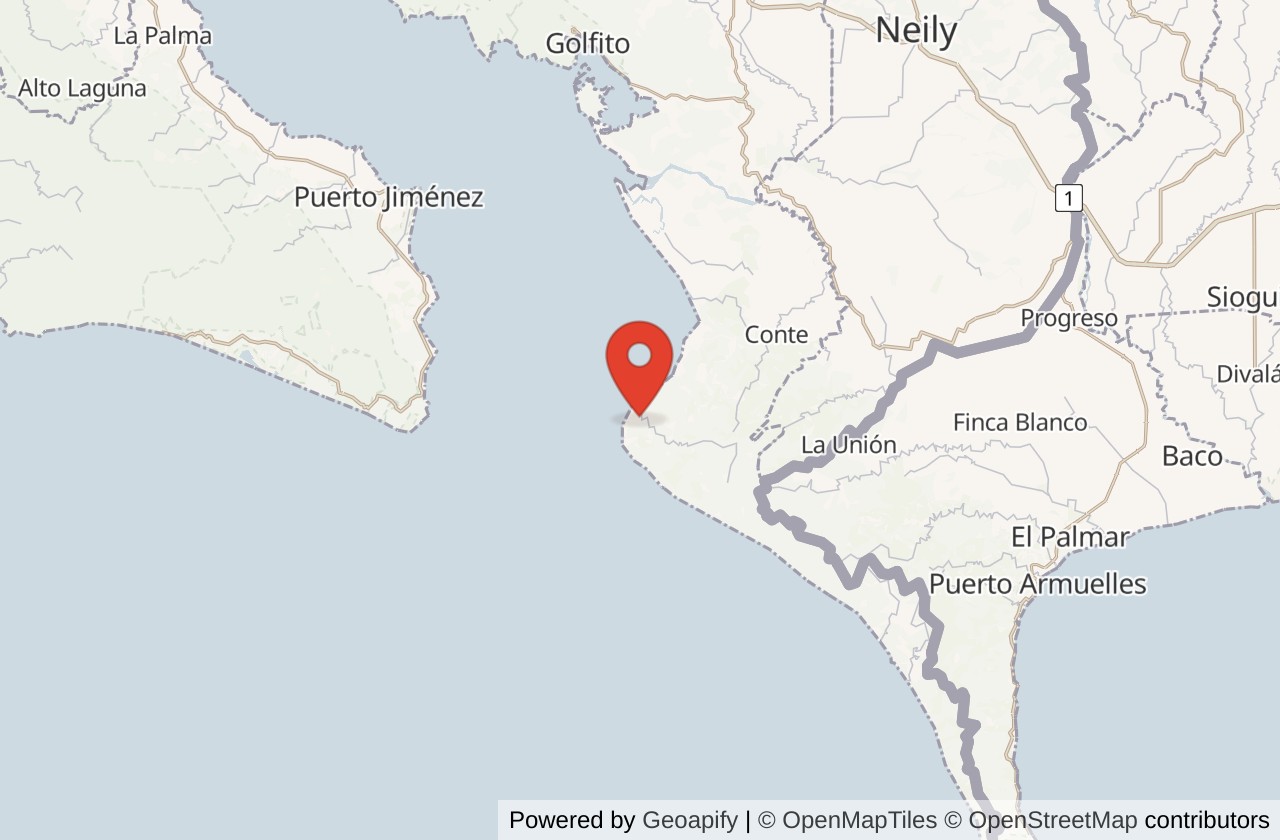
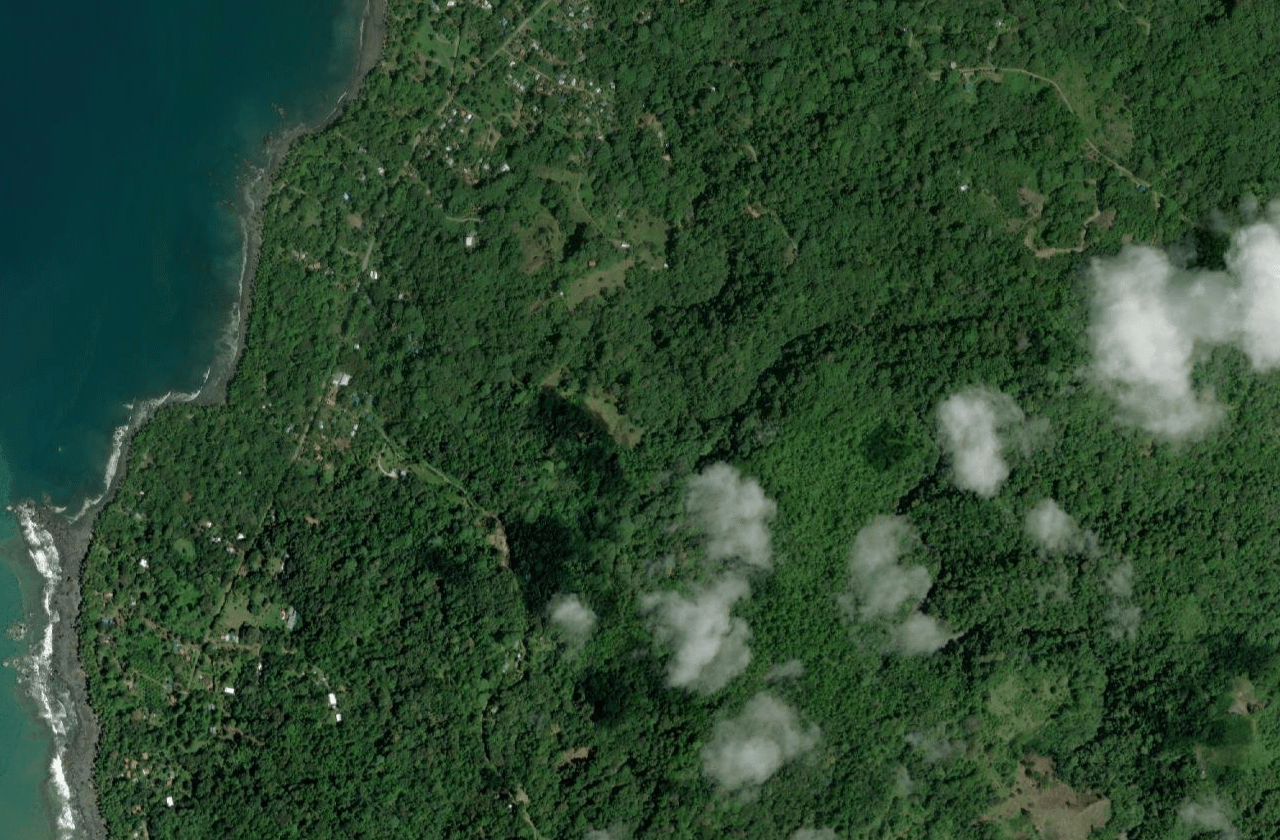
8.3949, -83.1395
What are the lineup and the town like at Pavones?
Localism
moderate
Crowd
When it's firing, the point gets busy — traveling surfers from around the world plus a tight local crew, and the better the forecast the more people roll into town. Dawn is your friend for cleaner, less-crowded conditions. On smaller days and in the dry season the crowd thins right out and it can feel like your own private wave.
Pavones is a point break with one prime takeoff zone, so on a crowded swell the wave is a precious commodity and the lineup runs on priority and patience. The crew is known for being friendly to surfers who show respect — wait your turn, don't drop in, don't paddle straight to the inside and burn the rotation, and understand that experienced regulars and a strong local contingent get the best ones. Earn waves by reading the order, not by jostling for them.
In the lineup: It's a long left, so positioning matters: the standard move is to surf the wave down the point, then walk the beachside path back up to the river mouth and paddle across rather than fighting the current paddling back along the point. Watch for rocks and cobble underfoot at the takeoff and on exit — booties help. The river-mouth current can be strong, especially after rain.
Pavones is a true end-of-the-road surf village: dirt streets, a soccer field, a few sodas and cabinas, jungle and farmland climbing the hills, and macaws and horses as regular sights. There's barely any nightlife beyond a beer at a beachfront soda, no banks and no chain anything. The mood is mellow, self-selecting and unhurried — people who make it this far tend to be here for the wave and the quiet, and the town stays small and a little bit stuck-in-time on purpose.
How do you get to Pavones?
Fly into Juan Santamaría International Airport, San José (SJO) — about 227 miles from the break, 6.5–8 hours by road. The fastest way in is a domestic flight from San José (or the local San José city airport, Tobías Bolaños) to Golfito — note the airport's IATA is GLF, not PGZ. Sansa flies the route in about an hour, several times daily, and from Golfito it's a rough 1.5–2 hour drive (or 4x4 taxi) to Pavones. That turns a brutal full-day drive into a half-day. Liberia (LIR) in the northwest is the wrong end of the country for Pavones — don't.
- rental car$45–80/day (4x4 strongly recommended, more in high season) · 6.5–8 hours from SJO self-drive
Route is Caldera highway, then the Costanera Sur south past Quepos/Dominical to Palmar Norte, onto the Interamericana to Río Claro, then the turnoff to Pavones. The last stretch is dirt/rough with a couple of river crossings; a small cable ferry crosses the Río Coto near the end (a few hundred colones). Get a 4x4, fuel up in Río Claro or Golfito, and don't attempt the final approach after dark your first time.
- flight$80–160 each way per person (Sansa) · ~1 hour flight to Golfito (GLF) + 1.5–2 hours by road
Sansa runs several daily San José–Golfito hops. Baggage and board-bag allowances are tight on the small turboprops — book board bags ahead and expect overlength/overweight surf-bag fees, or rent a board in Pavones to skip the hassle. Arrange a 4x4 transfer or taxi from Golfito in advance.
- private transfer$220–350 per vehicle from SJO; $60–80 from Golfito · 6.5–8 hours from SJO; ~2 hours from Golfito
Door-to-door shuttle/driver is the easiest option with boards — most lodges (Tiskita, La Ponderosa, surf camps) will arrange one or recommend a trusted driver. From Golfito a 4x4 taxi runs roughly $60–80; book a few hours ahead since cars are limited.
- bus$10–20 total per person · 8–10+ hours via San José → Golfito, plus local bus
The budget route: a Tracopa long-distance bus from San José to Golfito (7–8 hours), then a local bus from Golfito to Pavones (~1.5–2 hours, a couple of departures a day). Cheap but long, and board bags are at the driver's discretion — fine for a single shortboard, awkward for a quiver.
Do you need a car at Pavones?
Do you need a car?
recommended
Walkability
The town is tiny and the break is the town — if you stay in central Pavones near the river mouth, you can walk to the wave, the sodas and a couple of shops in 5–15 minutes. Staying out toward Punta Banco (a few km south) or up in the hills means you'll want wheels.
Many surfers settle in walkable central Pavones and never start a car all week. But the area is spread out and the surrounding attractions (Punta Banco, Río Claro hikes, Golfito for the ATM) need transport. A 4x4 rental ($45–80/day, pricier in peak season) is the flexible choice; there's no Uber and no formal taxi rank, but lodges and locals run informal 4x4 taxis you arrange by phone or by asking around. Roads in and around town are dirt and get muddy in the wet season.
Boards: If you fly in, the small turboprops make board bags a headache — many travelers rent locally instead (Sea Kings rents a full range). Rental 4x4s rarely come with racks, so bring soft racks and tie-downs if you'll be moving boards; informal taxis are pickups or SUVs and will carry boards fine. In central Pavones you can simply walk your board to the point.
Where can you stay near Pavones?
Surf camps and guided packages
Central Pavones — about 45 paces from the wave, per the owners · Small wooden-room guesthouse run by surfers right by the point, with board storage and an easy walk to the lineup. Books up fast on a swell — reserve well ahead in season. (Direct (surfhousepavones.com), Booking.com)
Pavones area — transfers to the break included on packages · All-inclusive surf-and-wellness retreat bundling guided surf, yoga, meals and tours into weekly packages — the turnkey option if you'd rather not organize food, transport and lessons à la carte in a town with limited infrastructure. (Direct (pavonessurfoasis.com))
Hotels and other places to stay
~6 km south near Punta Banco — 15–20 min drive to the Pavones point · One of Costa Rica's original ecolodges: rustic-luxe cabins on a private rainforest reserve with a fruit farm, trails, waterfalls and a long-running Punta Banco sea-turtle project. Not steps from the wave, but the standout nature base in the area for a surf-plus-wildlife trip. (Direct (tiskita.com), Booking.com)
Beachfront south of the point — short drive or long walk to the main peak · Long-established American-run beach-and-jungle resort with pool, cabinas and a restaurant; organizes surf lessons, fishing and Golfo Dulce tours. A reliable mid-range base with on-site food in a town where dinner options are thin. (Direct (laponderosapavones.com), Booking.com)
Central Pavones — walking distance to the point · Basic, surfer-focused cabinas cluster around the river mouth, putting you a short walk from the wave you came for. Simple rooms, fans or AC, cold-ish showers — the classic budget surf-trip setup right at the break. (Walk-in / WhatsApp / Booking.com (listings vary seasonally))
Central Pavones — short walk to the break · Adults-only small lodge with a pool, garden and tidy rooms, walkable to the point — a quieter, more polished pick than the bare-bones cabinas while still being in the heart of town. (Direct, Booking.com)
Hillside above Pavones — short drive to the break · Multi-bedroom hilltop house with big Golfo Dulce views, good for a group or family splitting costs and self-catering (essential here, given how few restaurants there are). You'll drive down to the wave. (Direct (casasiempredomingo.com), Airbnb/VRBO)
Where do you eat at Pavones?
- Soda Doña Dorasoda · $ budget
Huge gallo pinto breakfasts, banana pancakes and fresh-seafood casados — Classic Tico soda doing big, cheap, honest plates — the reliable fuel stop for a pre-surf breakfast or a casado after a long session. Cash, and pure pura vida.
- Café de la Suertecafe · $ mid-range
Vegetarian bowls, fresh baked goods and fruit smoothies — Bright little café fronting the soccer field serving breakfast and lunch with a strong vegetarian/healthy lean — smoothie bowls, homemade bread and good coffee. The go-to when you're craving something other than rice and beans.
- La Bruschettarestaurant · $ mid-range
Thin-crust pizza, fresh pasta and gnocchi — Italian-run kitchen out toward Punta Banco turning out genuinely good pizza and pasta — the sit-down dinner upgrade in an area short on them. Hours are seasonal; check it's open before driving over.
- Soda TicoMexsoda · $ budget
Big burritos and tacos — Town-plaza soda with a Mexican twist — generous burritos and tacos at soda prices, an easy lunch with a view of the surf.
- La Ponderosa restaurantrestaurant · $ mid-range
Seafood and American-Tico plates — On-site restaurant at La Ponderosa resort, open to non-guests — a dependable dinner option when the town's smaller spots are closed, which in low season is often.
Cooking for yourself
- Pavones village minisúper / pulperíaminimart
Town has a couple of small minisúpers/pulperías for the basics — water, eggs, rice, beans, pasta, snacks, beer and limited produce. Fine for self-catering staples, but selection is thin and prices reflect the remote location; bring anything special with you.
- Río Claro / Golfito supermarketssupermarket
For a real shop — fresh produce, meat, a wider range and the nearest ATMs — stock up in Río Claro or Golfito on the way in (1.5–2 hours away). Most people staying to self-cater do one big provisioning run before reaching Pavones.
Where do you rent or fix a board?
- Sea Kings Surf Shopboard rental · lessons · wax · leashes · fins · ding repair · ~$20/day (discounts for longer rentals; deposit required)
The main surf shop in central Pavones — rents a full range of epoxy boards (NSP, fish shapes and more), sells essentials and arranges lessons and ding repair. Renting here is the smart move if you're flying in via Golfito and want to dodge the turboprop board-bag fees. Bring your own wax and a spare leash anyway, since stock can run low when a swell crowds the town.
- Pavones Surf Shop (La Hierba)board rental · board sales · ding repair · rental rates vary; ask direct
Out along the road near La Hierba (before Río Claro), this shop rents and sells locally shaped custom epoxy boards. Worth a stop if you want a board dialed for the point or need a repair, though it's not in the village itself.
What do you do when it's flat?
- Punta Banco sea-turtle projectnature · free–$20 (donation/tour)
Just south of Pavones, the community turtle-conservation project at Punta Banco runs seasonal nesting walks and hatchling releases (peak roughly Jul–Dec). A genuinely moving flat-day activity that funds local conservation — arrange through Tiskita or the local committee.
- Río Claro de Pavones hike & swimming holesnature · free
An easy, popular walk up the Río Claro behind town to jungle swimming holes, with monkeys and birds along the banks — the standard rest-day move when your legs are fried from the point.
- Tiskita rainforest reserve & waterfallnature · $ guided walk / lodge tour
Private reserve near Punta Banco with marked trails, a fruit farm, abundant birdlife and a tall jungle waterfall. Open to day visitors via the lodge for guided hikes — one of the best wildlife experiences in the zone.
- Golfo Dulce boat tour (whales, dolphins, snorkel)water · $–$$ per boat
Panga and lodge boat trips out into the Golfo Dulce — a tropical fjord that's a humpback-whale nursery (two seasons: roughly Jul–Oct and Dec–Mar) with dolphins, rays and turtles year-round. Book through La Ponderosa, Tiskita or local fishermen.
- Yogawellness · $ drop-in class
Pavones has a handful of yoga spaces offering drop-in and private classes — a popular way to loosen up between sessions. Several surf camps fold daily yoga into their packages.
- Sportfishing & inshore fishingadventure · $$ per charter
The Golfo Dulce and offshore waters are rich fishing grounds (roosterfish, snapper, tuna, billfish offshore). Charters and panga trips arrange through lodges — a classic flat-spell day for non-surfers in the group.
What should you know before you go?
Cash & ATMs
No ATM and no bank in Pavones — the town runs largely on cash, and not everywhere takes cards. The nearest reliable ATMs are in Río Claro and Golfito, roughly 1.5–2 hours away. Withdraw plenty of colones (and keep some small bills) before you reach town; running back out for cash is a half-day round trip.
Medical
There's only a small local clinic (EBAIS-style) in the Pavones/Punta Banco area for minor issues. The nearest hospital is in Golfito (1.5–2 hours), and serious cases head to larger hospitals further north or to San José. Pack a proper first-aid and reef-cut kit, and carry travel insurance — you are genuinely remote here.
Water safety
The wave breaks over a cobble-and-rock-and-sand bottom: takeoff and exit can be slippery and bruising, and there are rocks in the lineup to track on the inside sections — booties are a reasonable call. The river mouth at the point pushes a strong current, particularly after heavy rain, so plan your paddle-out and use the walk-back-and-cross routine. Water is warm year-round. No lifeguards. As with many Costa Rican river-mouth and gulf spots, crocodiles inhabit nearby river systems; heavy rain also drops water clarity and can carry runoff — avoid surfing right at the river mouth straight after big storms.
Costa Rica basics: money, entry, phones, water
Currency
Costa Rican colón (CRC) — ~450–460 CRC per USD (mid-2026)
Entry (US passport)
Up to 180 days — Group One visa-exempt. The 180 days is a maximum, not a guarantee — the immigration officer sets the actual period and it is non-extendable. Onward ticket and proof of funds (~US$100/month of stay) can be requested.
Language
Spanish, English (widely spoken in tourist areas; Limón-province creole on the Caribbean coast). Very good by Latin American standards. In Pacific surf towns (Tamarindo, Nosara, Santa Teresa, Jacó, Pavones) and Caribbean ones (Puerto Viejo) you can get by on English alone; basic Spanish helps at local sodas and rural bus stops.
Plugs
A, B · 120V / 60Hz (same as US/Canada — no adapter needed for North American gear)
Tipping
Restaurants add a 10% service charge ('servicio') by law plus 13% IVA tax, so tipping is not expected — round up or add 5–10% only for standout service. At a soda (the cheap local eatery where you'll eat most casados) nobody expects anything extra. Tip surf guides/instructors ~$5–10 per session and boat captains in cash.
Phone / data
Kolbi (state-owned ICE), Claro, Liberty, eSIM (Airalo, Holafly, Jetpac, etc.). Kolbi has the widest rural footprint and is the safe pick for surf trips. Pacific surf towns are well covered, but expect weak or no signal on the Caribbean side outside Puerto Viejo/Cahuita town centers, around Limón's remoter beaches, and in pockets like the Osa Peninsula and the road to Pavones. Most accommodations have decent Wi-Fi; download offline maps before driving — outages happen in heavy rain.
Tap water
Generally safe to drink in cities and most established tourist/surf towns — among the best tap water in Central America. Be more cautious in remote coastal areas, on the rural Caribbean coast, and after heavy storms or in drought-stressed dry-season Guanacaste; bottled or filtered water is cheap insurance if your stomach is sensitive.
Emergency
911 works nationwide for police, ambulance, and fire (operators in tourist areas often speak English).
Other passports: entry rules differ — check the official source before booking.
Pavones is on through Oct 25
Our forecast shows a trip-worthy window, up to 7 ft, best day 8/10. Drop your email and we'll send you this one and the next: the dates, the size, and where to stay. Free.
Frequently asked questions about Pavones
Is Pavones really one of the longest left waves in the world?
Yes — Pavones is consistently ranked among the longest left-hand point waves on Earth, often cited as the second-longest left after Chicama in Peru. On a strong south or southwest swell, rides of several hundred meters are real, linking section after section down the point.
When is the best time to surf Pavones?
The prime window is roughly March through October, the southern-hemisphere swell season, with April–August the most consistent for size. It can be surfed year-round, but December–February is generally smaller. The wave needs a south/southwest swell to truly turn on.
How do you get to Pavones from San José?
Two ways: drive about 6.5–8 hours southwest via the Costanera and Interamericana highways (a 4x4 is wise for the rough final stretch and river/ferry crossing), or fly San José to Golfito (about an hour on Sansa) and then drive/taxi 1.5–2 hours. Flying in cuts a brutal full-day drive roughly in half.
Is there an ATM in Pavones?
No. There's no bank or ATM in Pavones, and many places are cash-only. Withdraw plenty of colones in Río Claro or Golfito (1.5–2 hours away) before you arrive.
Can you rent a surfboard in Pavones?
Yes — Sea Kings Surf Shop in central Pavones rents a full range of epoxy boards from around $20/day (with a deposit) and offers lessons and ding repair. Renting locally is a smart way to avoid board-bag fees on the small Golfito flights.
Is Pavones good for beginners?
Not when it's firing — it's a long, fast, crowded point wave best suited to confident intermediate and advanced surfers. On small days and the gentler dry-season swells, beginners can find rideable waves and lessons through local camps, but the marquee conditions are for experienced surfers.
Do I need a 4x4 to drive to Pavones?
It's strongly recommended. The final approach is dirt and rough with at least one river/cable-ferry crossing, and it gets muddy in the wet season. A 4x4 also opens up Punta Banco and the surrounding back roads.
Where do you fly into for Pavones?
San José (SJO) is the international gateway. For the quickest onward route, take a domestic flight to Golfito (airport code GLF) and drive 1.5–2 hours to Pavones; otherwise it's a long drive from San José. Liberia is on the wrong side of the country.
How much does a surf trip to Pavones cost?
Pavones itself spans budgets: basic surfer cabinas around the river mouth sit at the cheap end, mid-range picks like Surf House Pavones or Kanoa Lodge in the middle, and Tiskita Jungle Lodge or the all-inclusive Pavones Surf Oasis at the top, with sodas serving big cheap plates, board rentals around $20/day and a 4x4 rental at $45–80/day if you drive. In Costa Rica overall, plan on roughly $45–75/day shoestring, $90–160 mid-range or $180–300+ in comfort — it's the priciest country in Central America. Bring plenty of cash: there's no ATM or bank in town and not everywhere takes cards.
How crowded is Pavones?
Pavones gets genuinely crowded when it's firing — there's one prime takeoff zone, and the better the forecast the more traveling surfers roll into town to join a tight, experienced local crew. Dawn is your friend for cleaner, less-crowded sessions, and on smaller days and in the dry season the crowd thins right out and it can feel like your own private wave.
Sources for this guide
- costaricawaves.comsecondary source · Wave characteristics, tide, bottom (cobble/sand), river-mouth current, season/swell window
- surfline.comsecondary source · Pavones wave length ranking, swell/wind needs, best conditions
- media.costarica.comeditorial · Driving route from San José, Río Claro ferry, Golfito-to-Pavones road and 4x4 taxi cost
- flysansa.comofficial · Sansa San José–Golfito domestic flight existence, frequency, ~1 hour duration
- pavonescr.comsecondary source · Sea Kings Surf Shop location, board rentals (~$20/day, deposit), epoxy quiver, lessons
- frommers.comeditorial · Restaurants/sodas: Café de la Suerte, La Bruschetta, Soda Doña Dora context
- tiskita.comofficial · Tiskita Jungle Lodge reserve, waterfall, Punta Banco turtle project, Golfo Dulce tours
- laponderosapavones.comofficial · La Ponderosa resort lodging, restaurant, surf lessons and Golfo Dulce/fishing tours
- surfhousepavones.comofficial · Surf House Pavones location near the wave, board storage/surfer-run guesthouse
- twoweeksincostarica.comeditorial · No ATM/bank in town, nearest ATMs in Río Claro/Golfito, remote logistics, clinic vs Golfito hospital
- tripadvisor.comsecondary source · Live lodging listings cross-check (Tiskita, Kanoa Lodge, Surf House, Casa Siempre Domingo) and price bands
Guide researched and verified 2026-06-12. Details change; confirm bookings and entry requirements before travel.