When is the best time to surf Pine Trees?
Peak Oct–Apr · often good May–Sep.
Pine Trees breaks year-round, which is exactly why locals love it. Winter (roughly October–April) is prime: northwest swells wrap onto the reefs and produce the biggest, best days, occasionally well overhead. Summer brings smaller but rideable south swells — friendlier walls and a more relaxed lineup. Mornings beat afternoons in every season; the sea breeze chops it up by midday. Water hovers around 75–81°F — boardshorts or a spring suit at most.
What does a surf trip to Pine Trees look like?
A typical trip from our guide. A real alert comes with the forecast for each day and a fare from your airport.
How much does a surf trip to Pine Trees cost?
A five-night trip, per person, before food and rentals.
Flight ranges are typical round-trip fares for July from Google Flights price history, checked Sep 3. Stays use our guide's nightly bands; transfers use the guide's quoted rates. Real alerts price the exact dates.
Where should you stay at Pine Trees?
Kona Tiki Hotel $
boutique · Ali'i Drive, Kailua-Kona — ~10 mi / 20 min
Why this one: A 16-room vintage-Hawaiiana favorite where every room has an oceanfront lanai over the rocks — surfers love watching swell march in with morning coffee. No resort fees; books out months ahead.
Cheaper: Kohanaiki Beach Park camping, On the spot — tents pitch behind the beach · Cheaper: My Hawaii Hostel, ~12 mi south — 25 min drive
Points play: Courtyard King Kamehameha's Kona Beach (Marriott), about 50k points a night, ~10 min from the break.
Browse stays near the breakThe full list, with every pick and its booking link, is under where to stay below.
What is the wave like at Pine Trees?
Break type
Reef
Wave direction
Both
Best swell
WSW (S–NW window)
Ideal size
3–8 ft
Best tide
Mid
Low: inside very shallow
Consistency
Very Consistent
Peak season
Dec–Feb
Nearest airport
KOA · ~4 mi
Drive from airport
10–15 minutes
The wave itself is honest rather than world-class: peaky, shifty walls over a shallow, urchin-studded reef that go from playful waist-high runners to legitimately serious double-overhead-plus surf when a big northwest swell sneaks down the coast. Mornings are the call — glassy, often offshore-tinged conditions before the Kona sea breeze fills in around midday. The southern peaks are mellower and more visitor-friendly; the better, hollower peaks to the north are where the local pecking order is most established.
Logistics are absurdly easy by surf-travel standards. The county park sits about four road miles from KOA's gate — you can land, grab a rental car, and be checking the surf inside half an hour. The park got a staffed lifeguard tower in mid-2025, has restrooms, showers and drinking water, and even allows tent camping five nights a week with a county permit. Base yourself in Kailua-Kona, ten to fifteen minutes south, for lodging, food and everything else.
Who it suits
Intermediate and up surfers on a do-everything Hawaii trip who want a consistent, no-fuss daily wave near town; advanced surfers will find real teeth on bigger winter days. True beginners are better served learning at Kahalu'u before paddling out here.
Where exactly is Pine Trees?
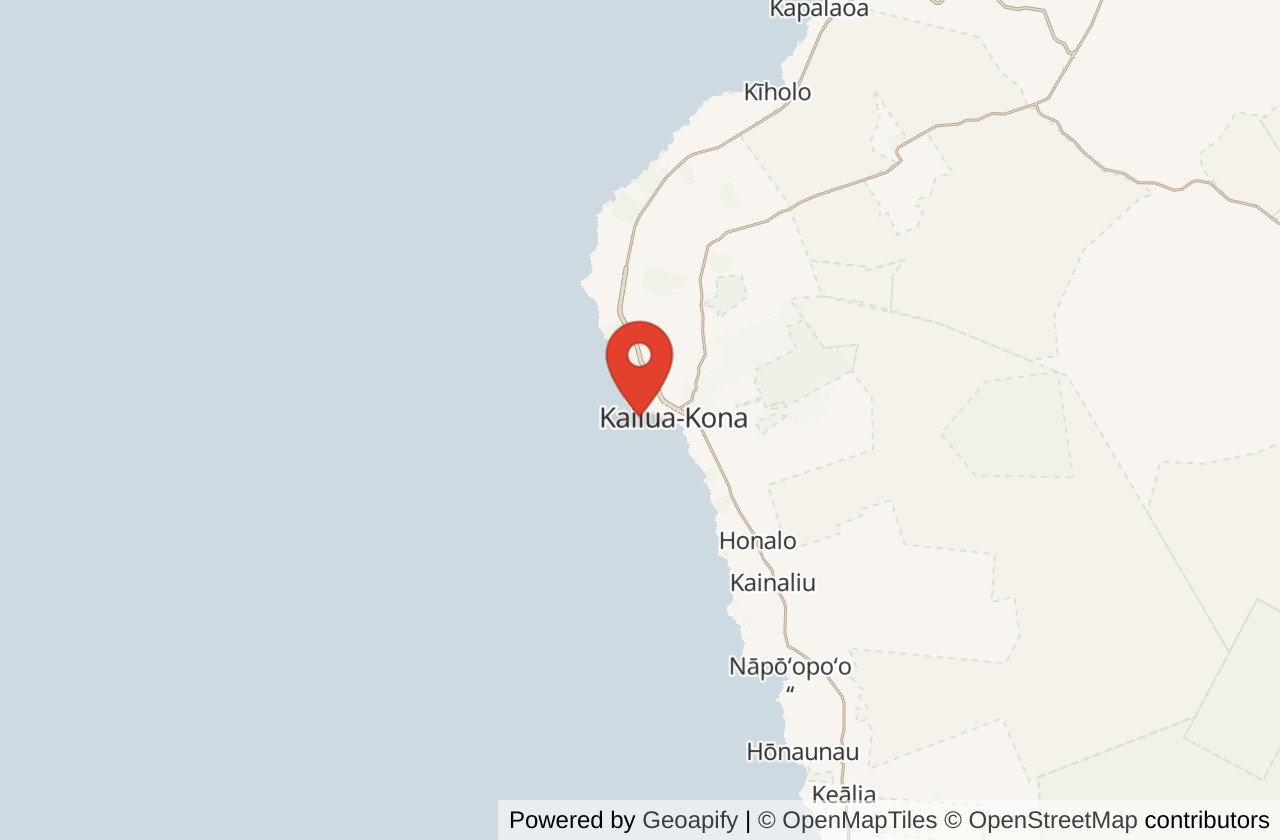
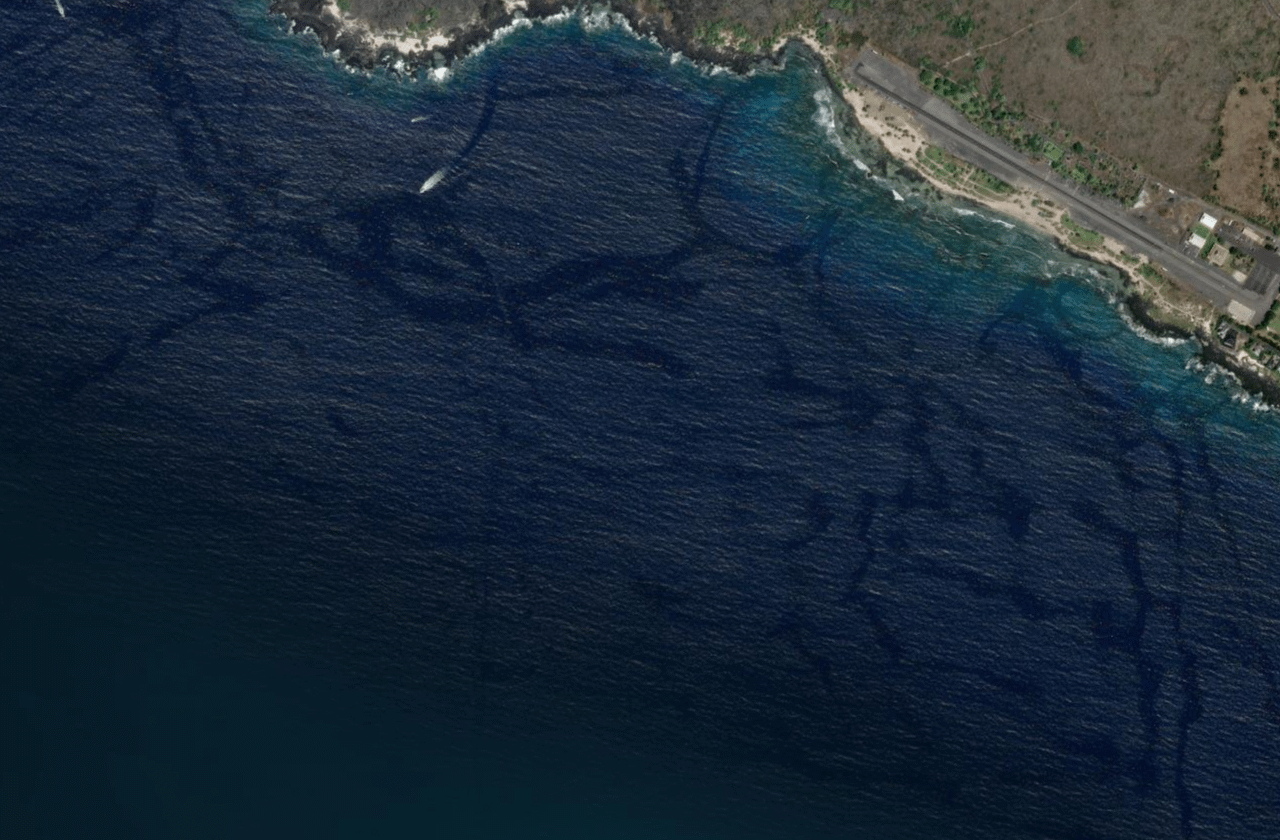
19.6400, -156.0200
What are the lineup and the town like at Pine Trees?
Localism
moderate
Crowd
Busy by Big Island standards: local surfers of all ages, longboarders, bodyboarders and a handful of visitors, heaviest on weekends and good winter swells when the parking lot fills with tents and tailgates. The multiple peaks spread people out, and dawn patrol or a walk to a lesser peak buys you space. Summer weekday mornings can be nearly empty.
Pine Trees is known as THE community wave of Kona — local families have surfed it for generations, the after-school grom pack is thick, and the lineup runs on a clear, traditional pecking order, especially at the better northern peaks. Visitors who start at the southern, mellower peaks, wait their turn, don't paddle out in packs, and offer a nod and an 'aloha' generally get waves and friendly conversation. Snaking, shoulder-hopping or dropping in on kids is the fastest way to feel the temperature drop. It's respect-based, not aggressive — earn a little and the place is warm.
In the lineup: Several peaks stretch along the park; the southern ones are softer and more forgiving, the northern peaks faster, hollower and more local. Entry is over rocks and reef almost everywhere — pick a sand/cobble keyhole, time the sets, and consider reef booties. Watch for current running along the shore when a winter swell pulses, and remember the reef gets very shallow inside at low tide. A lifeguard tower (staffed by Hawai'i Fire Department Ocean Safety) has covered the park since June 2025 — check in with the guards if you're unsure where to paddle out.
Kohanaiki itself is just lava fields, kiawe shade and ocean — your town is Kailua-Kona, 15 minutes south: a sunny, low-rise vacation strip along Ali'i Drive with a working pier, souvenir shops, happy-hour bars and an unhurried, older-Hawaii feel underneath the tourism. It's neither hip nor wild; it's comfortable, easy and genuinely friendly, with farmers markets, coffee farms in the hills above, and some of the calmest, clearest water in the state out front. Expect occasional vog haze when the volcano is active.
How do you get to Pine Trees?
Fly into Ellison Onizuka Kona International Airport at Keahole (KOA) — about 4 miles from the break, 10–15 minutes. Hilo (ITO) is the Big Island's other airport, but it's on the opposite coast — about 1.5–2 hours' drive over Saddle Road. Only land there if the fare savings are dramatic; KOA is one of the closest major airports to a surf break anywhere.
- rental car$50–90/day · 10–15 min to the park, 20–25 min to Kailua-Kona
All the major agencies operate from the consolidated rental facility at KOA. From the airport exit, head south on Queen Ka'ahumanu Hwy (Hwy 19) about 2.5 miles, turn makai (seaward) at Hulikoa Drive across from the Minit Stop, then follow the 1.5-mile paved access road to the shoreline. Most rentals are sedans and SUVs — bring soft racks or fit boards inside.
- rideshare$15–30 to Kailua-Kona · 20–25 minutes
Uber and Lyft both operate at KOA with a designated pickup zone. Fine for getting to town with a shortboard in an XL; for board bags, a rental car or taxi van is more realistic.
- taxi$35–50 to Kailua-Kona · 20–25 minutes
Metered taxis and pre-bookable shuttle vans (e.g. SpeediShuttle) wait at the terminal. Request a van if you're traveling with a board bag.
Do you need a car at Pine Trees?
Do you need a car?
essential
Walkability
Nothing is walkable. The park sits at the end of a 1.5-mile access road through lava fields, with a private golf-club community next door and zero lodging, food or shops within walking distance — the nearest snack stop is the Minit Stop/Pine Tree Cafe cluster back out on the highway. In Kailua-Kona itself, the Ali'i Drive waterfront strip is pleasantly walkable.
Rent a car — full stop. Big Island distances are real (it's bigger than all the other Hawaiian islands combined) and the Hele-On county bus is too infrequent to build a surf trip around. Rentals run $50–90/day from KOA; book early for peak winter weeks. Uber and Lyft work reliably within Kailua-Kona but get sparse and pricey beyond town. Parking at Kohanaiki Beach Park is free, right behind the beach, with the gate open 5:30am–9pm.
Boards: Most Kona rentals are sedans and crossovers without racks, so bring soft racks and straps or size your board bag to fit inside with seats down. Shops in Kailua-Kona (Pacific Vibrations, Kona Boys) rent boards if you'd rather fly without one. At the park you can park within yards of the paddle-out spots.
Where can you stay near Pine Trees?
On the spot — tents pitch behind the beach · The only way to sleep at Pine Trees: county tent camping Thursday–Monday nights ($21/night non-resident adult) with restrooms, outdoor showers, drinking water and 24-hour security. Gates lock 9pm–5:30am, no fires or pets. Wake up steps from the lineup. (hawaiicounty.ehawaii.gov/camping (County of Hawai'i permit system))
~12 mi south — 25 min drive · The best-regarded budget bunk on the Kona side, on Ali'i Drive in town. Dorms and privates, communal kitchen, sociable patio — the natural base for solo surfers watching their budget. (Hostelworld, Booking.com, direct)
Downtown Kailua-Kona — ~9 mi / 15–20 min · Older, simple, locally run hotel right at the top of Ali'i Drive. Nothing fancy, but it's one of the cheapest real-hotel beds in town and you can walk to the pier, bars and surf shops. (Direct (seasidehotelshawaii.com), Booking.com)
Ali'i Drive, Kailua-Kona — ~10 mi / 20 min · A 16-room vintage-Hawaiiana favorite where every room has an oceanfront lanai over the rocks — surfers love watching swell march in with morning coffee. No resort fees; books out months ahead. (Direct (konatikihotel.com), Booking.com)
- Courtyard by Marriott King Kamehameha's Kona Beach Hotel (formerly King Kamehameha Kona Beach Resort)hotel · $ mid-rangeCheck rates
Downtown Kailua-Kona — ~9 mi / 15–20 min · The downtown anchor hotel on Kamakahonu Bay next to the pier, on the grounds of Kamehameha's former residence. Walkable to everything in town, with a small swimmable beach out front. (Direct (konabeachresort.com), major OTAs)
South end of downtown Kailua-Kona — ~10 mi / 20 min · Iconic 1970s oceanfront resort with a saltwater lagoon, luau and Don the Beachcomber-era bones. Repeatedly voted Hawaii's best-value resort — good for couples mixing surf with a classic Kona vacation. (Direct (royalkona.com), major OTAs)
Ali'i Drive, Kailua-Kona — ~10 mi / 20 min · Representative of the dozens of oceanfront condo complexes along Ali'i Drive (Kona Reef, Casa de Emdeko, Kona Makai...) — full kitchens, AC and parking make them the practical pick for groups splitting costs on a week-plus trip. (Airbnb, Vrbo, local agencies)
Where do you eat at Pine Trees?
- Pine Tree Caferestaurant · $ budget
Spicy garlic chicken plate or loco moco — The post-surf institution — a no-frills local plate-lunch counter on the highway directly across from the Kohanaiki turnoff, next to the Minit Stop. Huge portions, five minutes from the lineup; it's where half the parking lot goes after a session.
- Broke Da Mouth Grindzrestaurant · $ budget
Garlic furikake chicken — Cult-favorite local kitchen in the Old Industrial area between the airport and town. Lines at lunch, portions built for two — the definitive cheap-and-massive Kona feed.
- Da Poke Shackrestaurant · $ mid-range
Ahi poke bowl — pick your marinade at the case — Tiny takeout window on Ali'i Drive with some of the best-reviewed poke in the state. Fish is line-caught Kona ahi; it sells out, so go before mid-afternoon and eat it across the road by the water.
- Umekes Fish Market Bar & Grillrestaurant · $ mid-range
Poke flight and fresh-catch plates — The sit-down poke house locals point visitors to — fish off the Kona boats that morning, generous plates, full bar. Good first-night dinner.
- 808 Grindz Cafecafe · $ budget
Loco moco and sweet-bread French toast breakfast — Cheap, friendly, fast local breakfast in town — the dawn-patrol fuel stop before heading north to the park.
- Kona Brewing Co.bar · $ mid-range
Longboard Lager and pizza at the source brewpub — The original brewery's pub in the Old Industrial area, garden seating under the trees. The default post-surf beer on this coast, brewed a couple of miles from the wave.
- Big Island Grillrestaurant · $ budget
Plate lunch with kalua pork or chicken katsu — Old-school local diner with honest prices and serious portions. Daytime hours only (closes early afternoon) — a lunch move, not a dinner one.
Cooking for yourself
- KTA Super Stores — Kona Coast Shopping Centersupermarket
Hawai'i Island's homegrown supermarket chain (Palani Rd, 6am–9pm daily) — full grocery plus a strong poke counter and local produce. Everything you need for self-catering, with better local items than the mainland chains.
- Costco Kailua-Konasupermarket
Just off the highway between the airport and town. If you're on the island a week-plus with a condo kitchen, one membership run here meaningfully cuts Hawaii grocery sting. Cheapest gas on the coast too.
- Kona Farmers Market (Ali'i Drive)farmers market
Wednesday–Sunday roughly 7am–4pm at Ali'i Dr and Hualalai Rd — tropical fruit, Kona coffee and souvenirs. Tourist-leaning but handy for papaya-and-banana surf-trip breakfasts.
Where do you rent or fix a board?
- Pacific Vibrationsboard sales · board rental · wax · leashes · fins · apparel · $25–40/day (24-hour hires)
Kona's original surf shop — family-run since 1978, across from the Kailua pier on Palani Rd. Real board selection from performance shortboards to longboards, all the hardware, and staff who actually surf Pine Trees. Note the short hours (roughly Tue–Sat 10am–3pm).
- Kona Boys Beach Shackboard rental · lessons · wax · leashes · $39–44/day, ~$99–119 for 3 days
On Kamakahonu Beach by the pier (plus the original shop in Kealakekua). Big rental quiver from soft-tops to step-ups and noseriders, multi-day rates, plus lessons and kayak/SUP rentals for flat days.
- Kahalu'u Bay Surf & Sealessons · board rental · $20–40/day
Full-service surf school right on Kahalu'u Bay, the Kona side's gentle learner wave. If anyone in your crew is a first-timer, send them here for a lesson rather than into the Pine Trees lineup.
- Miller's Surf and Sportding repair · board sales · board rental · wax · apparel · $25–35/day
Downtown Kona shop consistently listed among the island's go-tos for surfboard repair — the place to ask first if the reef wins a round.
What do you do when it's flat?
- Manta ray night snorkelwater · $110–180 per person (2-tank night dives from ~$210)
Kona's signature after-dark experience: float over dive lights while reef mantas barrel-roll inches below. Boats run nightly from Honokohau and Keauhou — Sea Quest, Kona Snorkel Trips and a dozen reputable operators. Book a free-recheck operator in case of swell cancellations.
- Kealakekua Bay / Captain Cook Monument snorkel cruisewater · $130–190 per person
Morning cruise (Fair Wind II and others) to the marine sanctuary at Kealakekua Bay — arguably the state's best snorkeling, often with spinner dolphins en route. A perfect small-swell-day move.
- Kona coffee farm toursfood drink · free–$30
The Kona coffee belt climbs the slopes 20 minutes from town. Greenwell Farms runs free daily walking tours with generous tastings; smaller estates like Hula Daddy charge for deeper roastery tours.
- Hawai'i Volcanoes National Park day tripday trip · $30 per vehicle (7-day pass)
Roughly 2–2.5 hours each way, and worth a full flat day: Kilauea crater (check eruption status at nps.gov), steam vents, the Thurston lava tube and Chain of Craters Road to the sea cliffs. Pack layers — the summit sits at 4,000 ft.
- Two Step (Honaunau) snorkel + Pu'uhonua o Honaunaunature · $20 per vehicle (national park); snorkeling free
Forty minutes south: shore-entry snorkeling over pristine coral at Two Step, beside the Place of Refuge national historical park — royal grounds, ki'i carvings and a genuinely moving slice of Hawaiian history.
- Hulihe'e Palace and Kailua Villageculture · $10–16 admission
The royal vacation residence on Ali'i Drive, restored by the Daughters of Hawai'i, plus Mokuaikaua Church (Hawai'i's first) across the street. An easy hour of history folded into a sunset stroll through town.
What should you know before you go?
Cash & ATMs
Nothing at the park — bring water and snacks, as the nearest commerce is the Minit Stop at the highway turnoff (which has snacks, fuel and card payment). Full banking (Bank of Hawaii, First Hawaiian, ATMs everywhere) is in Kailua-Kona, 9 miles south. Card acceptance is universal; you barely need cash beyond farmers markets.
Medical
Kona Community Hospital, a Level III trauma center with a 24-hour ER, is in Kealakekua about 18 miles / 30–35 minutes south of the park. Closer options for non-emergencies: urgent-care clinics in Kailua-Kona (10–15 minutes), and the lifeguards on site handle first aid for reef cuts and urchin spines.
Water safety
The hazards are the bottom and the size, not the water quality. The reef is shallow lava and coral loaded with wana (sea urchins) — entries are rocky, and low-tide inside sections get skinny enough to hit on a normal wipeout, so many regulars wear booties. Winter swells generate real power and longshore current along the park; know your limits, because this wave has caused serious injuries to experienced surfers. A Hawai'i Fire Department Ocean Safety lifeguard tower has been staffed at Kohanaiki since June 2025 — a direct response to the spot's accident history. Sharks are a background, statistically minor risk as everywhere in Hawaii; avoid murky water after rain. Water clarity and quality are otherwise excellent on this dry, runoff-free coast.
United States basics: money, entry, phones, water
Currency
US Dollar (USD) — Home currency — 1 USD = 1 USD
Entry (US passport)
Unlimited — domestic travel — No passport needed for travel within the 50 states (including Hawaii) or to Puerto Rico. Since May 7, 2025 you need a REAL ID-compliant driver's license (star marking) or a passport to clear TSA for domestic flights — check your license before booking.
Language
English, Spanish (widely spoken, esp. California, Texas, Florida). Native — English works everywhere, including every surf town.
Plugs
A, B · 120V / 60Hz
Tipping
Expected and culturally significant: 18–22% at sit-down restaurants, $1–2 per drink at bars, 10–15% for taxis/rideshares. Counter-service tip screens are common but optional.
Phone / data
Your existing US plan, T-Mobile / AT&T prepaid, Travel eSIMs (Airalo, Holafly, Nomad). Strong LTE/5G in cities and most coastal towns. Expect dead zones on rural stretches of coast — parts of the Big Sur/Central California coast, the North Shore of Kauai, and remote East Coast barrier beaches. Download offline maps for surf-check drives.
Tap water
Safe to drink nationwide from municipal supplies, including Hawaii and Puerto Rico.
Emergency
911 for police, fire, and ambulance everywhere (including Hawaii and Puerto Rico). International visitors: US healthcare is extremely expensive — an ER visit can run thousands of dollars — so travel insurance with medical coverage is essential.
Other passports: entry rules differ — check the official source before booking.
Alert me when Pine Trees is on
It's quiet right now. Drop your email and you'll get one message when our forecast shows a trip-worthy window here: the dates, the size, and a place to stay. Free, no account.
Frequently asked questions about Pine Trees
Where is Pine Trees surf spot in Kona?
Pine Trees fronts Kohanaiki Beach Park, about 7 miles north of Kailua-Kona and only ~4 road miles south of Kona International Airport (KOA). Turn makai off Queen Ka'ahumanu Hwy at Hulikoa Drive (across from the Minit Stop) and follow the 1.5-mile access road to the shore. Don't confuse it with the Pine Trees near Hanalei on Kauai.
Is Pine Trees Kona good for beginners?
Not really. It's a shallow lava-and-coral reef with rocky entries, urchins and a committed local crowd — best for solid intermediates and up. Beginners should take a lesson at Kahalu'u Bay in Kona first, then try the mellower southern peaks at Pine Trees on a small day.
Can you camp at Pine Trees / Kohanaiki Beach Park?
Yes — tent camping is allowed Thursday through Monday nights with a County of Hawai'i permit (about $21 per adult per night for non-residents, booked at hawaiicounty.ehawaii.gov/camping). The park has restrooms, outdoor showers, drinking water and 24-hour security; gates are locked 9pm–5:30am.
When is the best time to surf Pine Trees?
It breaks year-round — it's the most consistent spot on the Kona coast — but winter (October–April) northwest swells bring the biggest and best waves, while summer south swells are smaller and friendlier. Surf in the morning before the midday sea breeze chops it up.
Is there a lifeguard at Kohanaiki Beach Park?
Yes — the Hawai'i Fire Department's Ocean Safety division opened a staffed lifeguard tower at Kohanaiki in June 2025, the 13th on the island. It was added specifically because of the surf spot's accident history, so check in with the guards if conditions look serious.
How far is Pine Trees from the Kona airport?
About 4 road miles — roughly 2.5 miles south on Queen Ka'ahumanu Hwy plus a 1.5-mile access road — or 10–15 minutes' drive. It's one of the closest quality surf breaks to a major airport anywhere.
Is Pine Trees Kona localized?
It's the heart of the Kona surf community, so expect a real pecking order, especially at the better northern peaks. It isn't hostile — visitors who show respect, start on the southern peaks and wait their turn generally do fine. Don't paddle out in a big group or hassle the kids.
Why is it called Pine Trees if there are no pines?
The shoreline trees are actually heliotrope and hau, not pines — by most accounts the nickname came from surfers decades ago and simply stuck. Officially the area is Kohanaiki Beach Park.
Sources for this guide
- hawaiicounty.ehawaii.govofficial · Kohanaiki Beach Park gate hours (5:30am–9pm), camping permit rules, facilities, 24-hour security, prohibited items
- parks.hawaiicounty.govofficial · County park status, amenities (restrooms, showers, halau), camping days Thu–Mon
- bigislandnow.comeditorial · New HFD Ocean Safety lifeguard tower at Kohanaiki (June 2025) and the safety history behind it
- surfline.comsecondary source · Wave character (reefy left/right peaks, beginner-to-intermediate on small days, consistency)
- bigislandguide.comeditorial · Access directions (Hulikoa Dr, Minit Stop landmark), tree-name origin, beach character, distance from Kailua-Kona
- rome2rio.comsecondary source · KOA-to-park road distance/time cross-check (~15-min taxi), supporting the dataIssue on the 11-mi listing
- yelp.comsecondary source · Pacific Vibrations live status, address, hours, board rentals, 2025 reviews
- konaboys.comofficial · Kona Boys rental pricing ($39–44/day, 3-day rates) and lesson/rental offering
- learntosurfkona.comofficial · Kahalu'u Bay Surf & Sea — lessons and rentals at the beginner bay
- lovebigisland.comsecondary source · Kona lodging landscape by budget (hostel ~$50 dorms, hotels $150–250), My Hawaii Hostel and budget picks
- konatikihotel.comofficial · Kona Tiki Hotel verification (16 rooms, oceanfront lanais, no resort fees)
- royalkona.comofficial · Royal Kona Resort live operation and best-value-resort awards
- lovebigisland.comsecondary source · Kona food picks: Da Poke Shack, Umekes, Big Island Grill, Pine Tree Cafe, Broke Da Mouth Grindz
- ktasuperstores.comofficial · KTA Kailua-Kona location and hours for groceries
- kch.hhsc.orgofficial · Kona Community Hospital 24-hr ER, Level III trauma center, Kealakekua location
- seaquesthawaii.comofficial · Manta ray night snorkel operators and price range
- lovebigisland.comsecondary source · County camping fee ($21/night non-resident adult) cross-check
Guide researched and verified 2026-06-17. Details change; confirm bookings and entry requirements before travel.